
How To
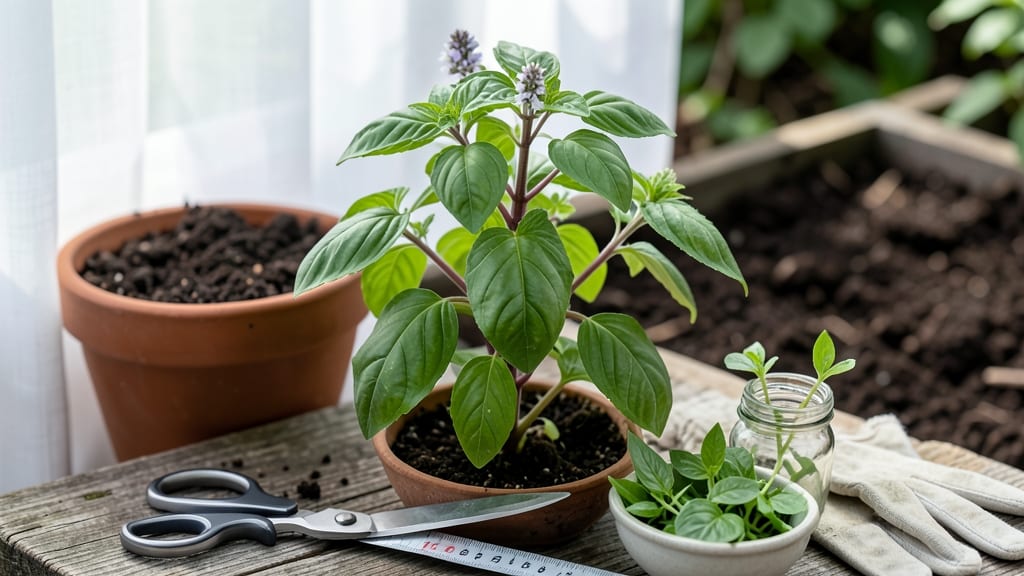
To harvest basil at the right time means pinching or cutting leaves every 4-6 weeks—a rhythm that keeps your plant bushy and productive all season.
Struggling to keep your basil thriving? The secret to lush, continuous growth lies in mastering the harvest timing—pinch at the wrong moment, and you’ll stunt your plant’s potential. Too little, and you’ll miss out on flavorful leaves; too much, and you risk bolting before summer’s end.
This isn’t just about trimming—it’s about understanding your basil’s growth cycle. Start harvesting once the plant has 4-6 true leaves, and always leave at least two sets of leaves on each stem to encourage regrowth.
The pinch-and-pause method ensures your basil stays vibrant from June through September, even in USDA Zone 6a.
Below, I’ll walk you through the exact steps to harvest basil without stressing the plant, seasonal adjustments for peak flavor, and how to revive it if you’ve over-harvested. Your garden’s freshest herb is just a few snips away.


Optimal harvest frequency for basil: the pinch-and-pause method explained
Harvesting basil at the right frequency is the difference between a bushy, flavorful plant and one that bolts prematurely. The pinch-and-pause method isn’t just about cutting stems—it’s about signaling your basil to grow thicker, fuller, and more productive.
Science shows that pinching above the third leaf pair triggers lateral branching, while over-harvesting stresses the plant and reduces yield.
Most gardeners make the mistake of harvesting too aggressively, thinking more cuts mean more leaves. But basil responds best to a structured rhythm: every 4-6 weeks during peak growing season (June–August).
This interval gives your plant time to recover, regrow, and produce larger, more aromatic leaves. Think of it like pruning a shrub—you’re shaping growth, not just taking what you want.
Here’s the key science behind it: When you pinch or cut just above a leaf node, you stimulate auxin hormones to redirect energy from vertical growth to side shoots.
This creates a bushier structure with more harvestable leaves over time. Skip this step, and your basil will grow tall and leggy, with fewer leaves and a bitter taste.
| Stage | Action | Frequency | Notes |
|---|---|---|---|
| Seedling | Pinch above 3rd leaf pair | Once | Encourages bushiness |
| Established | Harvest outer leaves | Every 4-6 weeks | Leave 4-6 inner leaves |
| Peak Season | Cut stems at base | Every 3-4 weeks | Promotes regrowth |
| Late Season | Reduce harvesting | Every 6-8 weeks | Prevents bolting |
The pinch-and-pause method works best when paired with consistent care. After harvesting, always water deeply to replenish moisture lost during cutting. I’ve found that morning watering (before 10 AM) gives roots time to absorb water before the heat of the day, reducing stress.
Pair this with a balanced fertilizer (10-10-10) every 4-6 weeks to support regrowth.
Seasonal timing matters too. In spring and early summer, basil grows rapidly, so you can harvest more frequently—every 3-4 weeks. But as temperatures rise in late summer, growth slows, and you should extend the interval to 6-8 weeks to avoid shocking the plant.
This pause helps basil store energy for next year’s growth cycle.
One common mistake is harvesting more than 1/3 of the plant at once. Doing this weakens the basil’s ability to recover and can lead to bolting (flowering prematurely), which turns leaves bitter.
Instead, focus on selective harvesting: pluck outer leaves or cut stems just above a leaf node. This method mimics natural pruning and keeps your basil compact and productive.
For container-grown basil, the rules are slightly different. Since pots have limited root space, over-harvesting can deplete nutrients faster. In this case, stick to a 6-week harvest cycle and supplement with liquid fertilizer every 3 weeks.
I’ve grown basil in 12-inch pots for years using this approach, and it consistently produces 2-3 harvests per season without stunting.
Pro tip: If your basil starts to bolt (send up a flower stalk), stop harvesting immediately. Bolting signals the end of the plant’s productive life, and the leaves will turn bitter.
Instead, focus on saving seeds or composting the plant. Next season, start fresh with new seedlings to avoid this issue entirely.
Remember, the goal isn’t to harvest as much as possible in one go—it’s to balance yield with plant health. When you master the pinch-and-pause method, your basil will reward you with continuous, flavorful harvests all season long.
Start with these intervals, observe your plant’s response, and adjust as needed. Happy growing! 🌿
Signs your basil needs harvesting (and when to stop)
Your basil is practically begging for attention when its leaves reach 2-4 inches in length. This is the prime time to harvest—before they grow larger, which can lead to bitter flavors and leggy stems.
Look for dark green, glossy leaves with a vibrant aroma; these are your cues that the plant is ready to share its bounty.
Another clear sign is when your basil has developed 4-6 true leaves and a bushy appearance. At this stage, the plant has enough energy to regrow after a light harvest.
Ignoring these signals can cause the plant to focus on flowering instead of leaf production, which is the last thing you want before summer’s peak harvest season.
⚠️ callout warning ⚠️
Harvesting too often or taking too many leaves at once can stress your basil. Never remove more than 1/3 of the plant in a single session, and avoid harvesting during flowering or dormancy (late summer/fall). Over-harvesting triggers bolting (flowering) or stunts growth. Stick to every 4-6 weeks for continuous production.
Pay attention to the stem thickness and overall structure of your basil. Healthy stems should feel firm and upright, not woody or hollow. If the stems start to elongate excessively or develop a leggy, sparse appearance, it’s a sign you’ve waited too long to harvest.
This often happens when basil is deprived of sunlight or nutrients, but it can also be a result of inconsistent harvesting.
In late summer, as temperatures rise, your basil may start to bolt or flower. This is nature’s way of telling you to stop harvesting immediately. Once flowering begins, the leaves will become bitter, and the plant’s energy shifts from leaf production to seed development.
If you catch it early, you can still salvage some leaves, but focus on preserving the plant for next season.
During dormancy in fall or winter (especially in USDA Zone 6a), basil’s growth slows dramatically. This is the time to pause harvesting entirely and focus on protecting the plant from frost.
Reduce watering and avoid pruning, as the plant needs to conserve energy for spring regrowth. Resume harvesting only when new growth appears in early spring.
For container-grown basil, check the root system for signs of stress. If roots are circling the pot or the plant looks cramped, it’s a sign to harvest lightly and consider repotting.
Overcrowded roots can’t support healthy leaf production, so give your basil room to breathe while you enjoy its harvestable leaves.