
How To
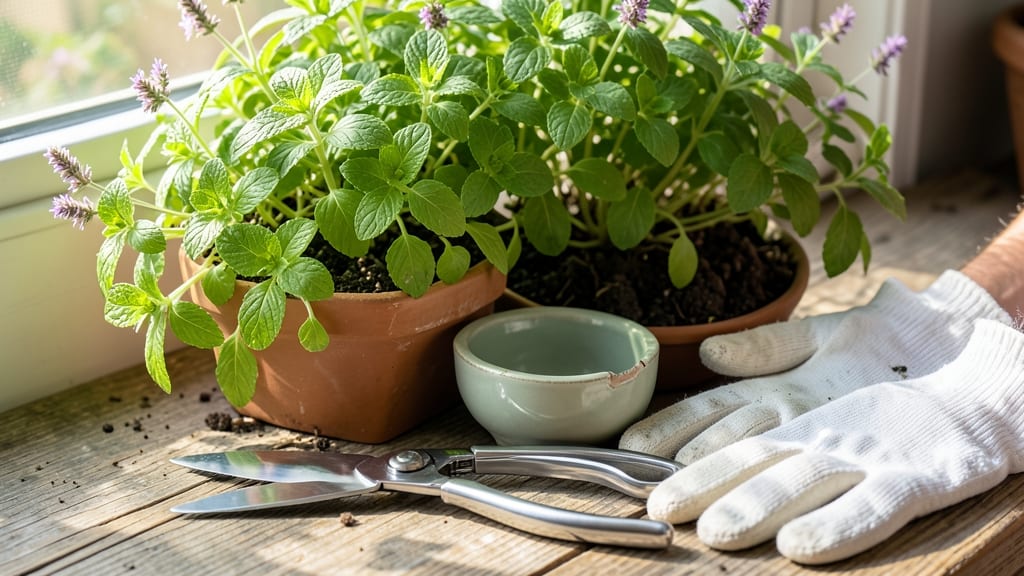
To harvest a mint plant at its peak flavor and keep it thriving, focus on timing, technique, and regrowth—because one wrong cut can turn your herb into a woody mess.
Picture this: You’ve nurtured your 🌿 mint all season, and now it’s time to reap the rewards. But if you snip too late or too aggressively, you’ll end up with a leggy, sparse plant that never recovers.
The secret? Harvesting when stems hit 4-6 inches, before flowering, and always cutting just above a leaf node.
Why does this matter? Because mint grows back stronger when you encourage bushier growth—not by stripping it bare. I’ll walk you through the exact steps, from the best tools to use to how often you can harvest without stunting your plant’s future.
You’ll also learn how to store your harvest so it stays fresh, whether you’re drying bundles, freezing in ice cubes, or preserving in oil. By the end, you’ll have a mint plant that keeps giving—year after year—without the guesswork.


When and how to harvest mint for maximum yield and plant health
Harvesting mint at the right time and in the right way can transform a patchy, leggy plant into a lush, productive herb garden—while ensuring your mint stays healthy and grows back stronger. The key lies in understanding when to harvest and how to cut without damaging the plant.
Mint thrives on regular harvesting, but timing matters most to avoid stressing the plant or triggering unwanted flowering. Let’s dive into the best practices for a year-round mint harvest that keeps your plant vibrant and productive.
Mint grows best when harvested before flowering, as the plant shifts energy to seed production once buds appear. This typically means harvesting in late spring through early fall, with peak yields in June and July.
In warmer climates, you can extend harvesting into early autumn, but avoid cutting after the first frost. If you live in a mild zone, mint may continue growing through winter months with protection, allowing for light winter harvesting.
To maximize yield, aim to harvest mint every 4-6 weeks during its active growing season. This frequency encourages bushier growth and prevents the plant from becoming woody or leggy.
The best time of day to harvest is in the morning after the dew has dried, when the essential oils in the leaves are at their peak concentration. This ensures the freshest flavor and aroma for culinary or medicinal use.
- Step 1: Wait until stems reach 4-6 inches with 6-8 healthy leaves per stem.
- Step 2: Use clean, sharp scissors or pruning shears to cut just above a leaf node (where leaves meet the stem).
- Step 3: Avoid cutting more than ⅓ of the plant at once to prevent stress.
- Step 4: Harvest in the morning for the strongest flavor and aroma.
- Step 5: Remove any flower buds immediately to redirect energy to leaf growth.
- Step 6: Water the plant thoroughly after harvesting to support regrowth.
When harvesting mint, the technique you use makes all the difference. Pinching (removing the top set of leaves) is ideal for young plants to encourage branching, while pruning (cutting entire stems) works best for established plants.
Always cut just above a leaf node—this is where new growth will sprout. Never cut into the woody base of the plant, as this can stunt future growth or even kill the mint.
Using the right tools is another critical factor for a successful harvest. A sharp pair of scissors or pruning shears ensures clean cuts that heal quickly, reducing the risk of disease. Avoid using dull tools, as they can crush stems and leave jagged edges that invite pests.
For large patches of mint, consider using clean, heavy-duty shears to speed up the process without sacrificing precision. Always disinfect your tools with rubbing alcohol before and after use to prevent the spread of pathogens.
After harvesting, your mint plant will need some post-harvest care to bounce back strong. Water the plant deeply within 24 hours to replenish moisture lost during cutting. If the weather is hot or dry, consider providing light shade for a day or two to reduce stress.
Within 2-3 weeks, you should see new growth emerging from the nodes where you made your cuts. This is a sign that your mint is healthy and ready for another round of harvesting.
One common mistake gardeners make is harvesting mint too aggressively or too infrequently. Over-harvesting can weaken the plant, while under-harvesting leads to woody stems and reduced flavor. Aim for a balanced approach: harvest regularly but moderately to keep your mint lush and flavorful.
If your mint starts to look leggy or sparse, it’s a sign you’ve been harvesting too little—time to step up your game!
For container-grown mint, harvesting techniques are slightly different. Since mint in pots has limited root space, avoid cutting more than 20-30% of the plant at once. This prevents over-stressing the roots and ensures the plant can recover quickly.
Additionally, container-grown mint may need more frequent watering after harvesting, as the soil dries out faster in confined spaces. Always check the soil moisture before watering to avoid over-saturation.
If you’re growing mint in full sun, be extra vigilant about harvesting before flowering. Hot, sunny conditions can trigger early blooming, which reduces leaf production and flavor. In these cases, consider providing afternoon shade to delay flowering and extend your harvest window.
Even a simple lightweight shade cloth can make a big difference in keeping your mint productive.
With the right timing and techniques, your mint plant can provide year-round harvests with minimal effort. By following these guidelines, you’ll enjoy a flavorful, healthy mint patch that keeps giving back—whether you’re using it for teas, cocktails, or cooking. Happy harvesting! 🌿✂️
Step-by-step guide to harvesting mint without stunting growth
Harvesting mint properly is key to keeping your plant lush and productive. When done right, you’ll encourage bushier growth and prevent the plant from becoming woody or leggy. The secret lies in timing, technique, and post-harvest care—all of which I’ll walk you through below.
Mint thrives when you harvest it regularly but gently. Cutting stems at the right time—before the plant flowers—ensures you get the most flavorful leaves while keeping the plant healthy. Avoid over-harvesting, as this can stress the roots and reduce future yields. Let’s dive into the exact steps to follow.
How to Harvest Mint for Continuous Growth
- 1 Choose healthy stems with at least 6-8 leaves and cut just above a leaf node (where new growth emerges).
- 2 Use clean, sharp scissors or pruning shears to make a clean cut at a 45-degree angle to prevent water pooling.
- 3 Harvest in the morning after dew has dried but before peak sunlight to preserve oil content and flavor.
- 4 Avoid cutting more than 1/3 of the plant at once to prevent root stress and allow for quick regrowth.
- 5 After harvesting, water the plant deeply and add a light layer of compost to replenish nutrients and encourage new growth.
If your mint plant looks wilting or stressed after harvesting, don’t panic—it’s often just a temporary reaction. Give it 1-2 weeks of recovery with consistent watering and partial shade. Within a few weeks, you’ll see new shoots emerging from the leaf nodes where you cut.
To store freshly harvested mint, rinse the stems gently and pat them dry. Place them in a glass of water on your countertop—this mimics their natural growing conditions and keeps them fresh for up to 2 weeks.
For long-term storage, bundle stems and hang them upside down in a dry, dark place for 1-2 weeks until crisp.
Pro tip: Pinch off flower buds as soon as they appear to redirect the plant’s energy into leaf production. This ensures your mint stays flavorful and bushy instead of going to seed. With these techniques, you’ll enjoy a continuous harvest all season long!