
How To
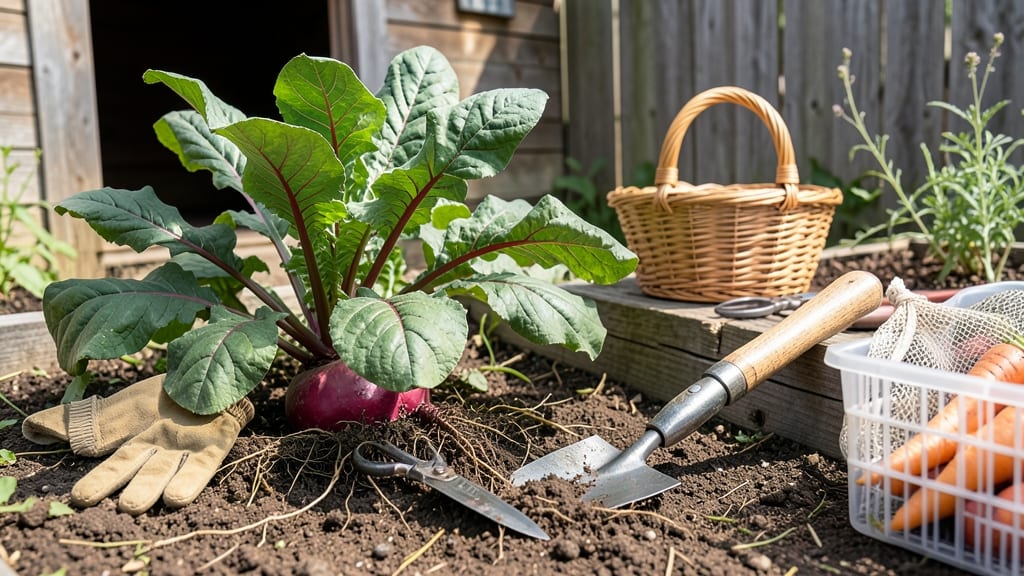
Harvesting and storing beets the right way keeps them sweet, tender, and ready to use for months—no more tough, woody roots or wasted harvests.
Picture this: you’ve grown beautiful, vibrant beets 🍠, but they turn bitter or shrink into nothing after a few days. That’s the difference between knowing the exact moment to pull them and storing them properly.
Timing matters—harvest too early, and they’re underdeveloped; wait too long, and they get tough. And storage? A simple fridge trick can extend their shelf life from weeks to over two months.
In this guide, you’ll learn when to harvest for peak sweetness (hint: it’s not just about size), how to prep and store them for maximum freshness, and the best methods to keep them crisp—whether you’re refrigerating, freezing, or using a root cellar.
Ready to save your harvest and enjoy homegrown beets all season long? Let’s dive into the simple steps that make a world of difference.


When and how to harvest beets for maximum sweetness
Harvesting beets at the right time transforms your garden into a flavor powerhouse. The sweetness in beets peaks when they reach the perfect balance of size and maturity. Early harvests yield tender roots, while waiting too long turns them woody and bitter.
Understanding the science behind beet sweetness—like sugar accumulation during cool nights and warm days—helps you time your harvest for peak taste.
Most gardeners focus on root size, but leaf color and soil conditions are equally important. Yellowing leaves or bolting (sending up flower stalks) signal it’s time to harvest before the plant diverts energy to seed production.
For the sweetest, most tender beets, aim to harvest when roots are 1-3 inches in diameter, though some varieties like 'Babybeat' can be harvested smaller for salads.
🍠
| Variety | Ideal Harvest Size | Days to Maturity | Harvest Cues |
|---|---|---|---|
| 'Detroit Dark Red' | 2-3 inches | 55-65 days | Firm skin, 4-inch leaves |
| 'Babybeat' | 1-1.5 inches | 40-50 days | Golf-ball sized |
| 'Golden Beet' | 1.5-2.5 inches | 50-60 days | Bright yellow skin |
| 'Chioggia' | 2-3 inches | 60-70 days | Striped pattern visible |
To harvest, use a garden fork or trowel to gently loosen the soil around the beet, then grasp the greens and pull upward.
Avoid twisting or cutting the roots, as this can damage the beet and invite rot. Leave 1-2 inches of stem attached to prevent bleeding, which can make the beet bitter. For continuous harvests, plant successive crops every 2-3 weeks to enjoy beets all season long.
Timing your harvest by the moon phases can also enhance sweetness. Planting during the waxing moon (when roots are encouraged) and harvesting during the waning moon (when energy flows downward) aligns with natural growth cycles. This old gardener’s trick ensures your beets pack maximum flavor and nutrients.
If your beets develop hollow cores or woody textures, they’ve been left too long in the ground. This happens when the beet’s energy shifts from root growth to seed production.
To prevent this, monitor your plants closely and harvest when the roots reach your target size, even if the leaves are still growing. Baby beets are especially prone to this if left unchecked.
For the best results, harvest in the morning after watering. The soil is moist, making it easier to pull beets cleanly without breaking them. Rinse off any dirt immediately after harvesting, but avoid soaking the beets, as this can cause them to absorb excess water and spoil faster.
Pat them dry with a clean towel before storing to extend their shelf life.
🌿
One common mistake is harvesting beets when the soil is too dry. Dry soil makes the roots tough and stringy. Always check moisture levels by pressing your finger into the soil—if it’s dry an inch below the surface, water thoroughly before harvesting.
Overly wet soil, on the other hand, can cause the beets to rot during storage, so aim for consistently moist but not soggy conditions.
Pro tip: If you’re unsure whether your beets are ready, dig up one and check the root’s firmness. Press your thumb into the skin—if it resists slightly, it’s ready.
If it feels soft or easily pierced, wait a few more days. The color intensity also deepens as beets mature, so vibrant hues are another sign of peak sweetness.
For longer storage life, harvest beets when the weather cools. Beets grown in 50-60°F soil temperatures develop the most sugar and store best. If you’re in a hot climate, focus on early morning or late evening harvests to avoid heat stress on the roots.
Step-by-step beet storage guide: fridge, freezer, and root cellar methods
Storing beets properly preserves their sweet flavor and tender texture for weeks or even months. Unlike many vegetables, beets store well both raw and cooked, making them incredibly versatile. The key is proper prep, the right storage method, and controlling humidity and temperature.
Whether you have a root cellar, a standard fridge, or just a freezer, I’ll walk you through each method for maximum shelf life.
Before storing, always trim the greens—they draw moisture from the roots, speeding up spoilage. For long-term storage, curing beets at 50-60°F for 2-3 hours after harvest helps toughen their skin, reducing rot.
Now, let’s dive into the best methods for your harvest, starting with the simplest option most gardeners have: the fridge.
🌱 How to Store Beets: 3 Proven Methods
- Prep: Trim greens to ½-inch stubs, scrub roots, and leave skins intact (don’t peel).
- Container: Store in a plastic bag with holes or a moist paper towel in a sealed container.
- Shelf Life: 1-2 weeks (raw), up to 3 weeks (cooked).
- Pro Tip: Add a damp cloth to prevent drying.
- Prep: Peel, slice, or cube beets (raw or blanched for 3 mins).
- Packaging: Use airtight freezer bags or vacuum-sealed containers.
- Shelf Life: 10-12 months (raw), up to 18 months (cooked).
- Pro Tip: Label with date and variety (e.g., "Detroit Dark Red").
- Prep: Cure beets at 50-60°F for 2-3 hours post-harvest.
- Storage: Bury in sandy soil or store in wooden crates with damp sawdust.
- Shelf Life: 2-3 months (or until spring).
- Pro Tip: Check monthly for soft spots or mold.
For fridge storage, I recommend using a ventilated container with a damp paper towel to maintain humidity. Place beets in the crisper drawer (not the door) where temperatures stay 35-40°F. If you notice the roots shriveling or turning mushy, they’re losing moisture—time to use them up!
When freezing beets, blanching is critical to preserve color and texture. Drop peeled, sliced beets into boiling water for 3 minutes, then plunge into ice water before freezing.
This step prevents color loss and freezer burn. For raw freezing, slice thinly (¼-inch) to ensure even freezing and quick thawing.
If you’re lucky enough to have a root cellar, beets thrive in these cool, humid conditions. The ideal temperature is 32-40°F with 85-90% humidity. Bury them in sandy soil or store in wooden crates lined with straw.
Avoid plastic bins—they trap moisture and cause rot. Check your stored beets monthly and remove any that show signs of spoilage to prevent contamination.
Remember, smaller beets (golf ball size) store better than large ones because their lower water content reduces spoilage. And if you’re wondering about the greens, save them for pesto or sautéing—they’re packed with flavor!
With these methods, you’ll enjoy homegrown beets all winter long, straight from your garden to your table. 🌱