
How To
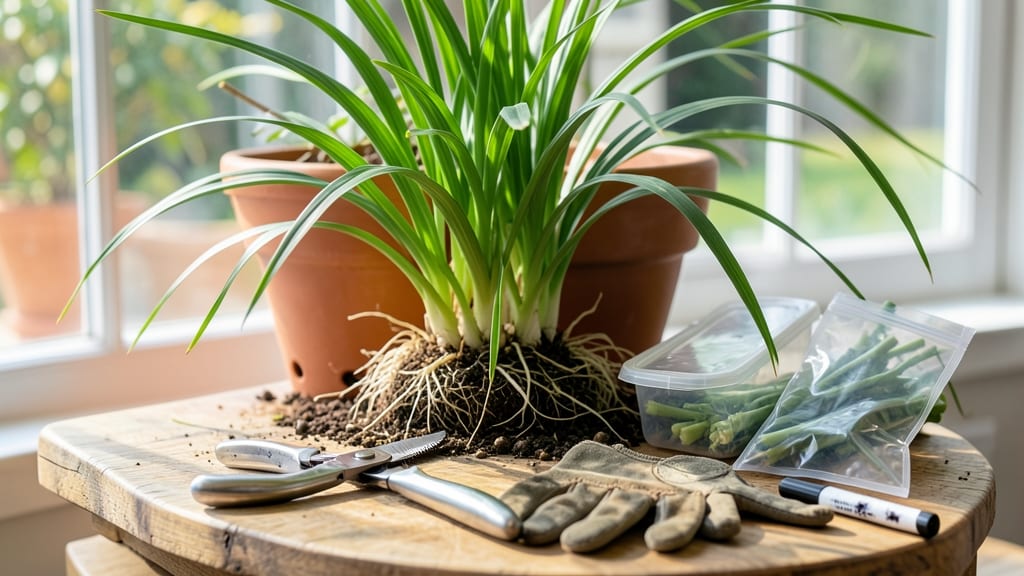
Harvesting and storing lemon grass the right way keeps its bright, citrusy flavor alive for months—no more bitter, woody disappointment in your cooking.
Picture this: you snap a stem and it breaks cleanly, releasing that signature aroma. That’s the moment you know you’ve got it right. But miss the timing or storage step, and you’re left with stems that taste like cardboard.
I’ve been there, and I’m here to show you exactly how to avoid it.
First, we’ll cover the best time to harvest your 🌿 lemon grass—when the stems are firm but flexible, not woody—and how to trim them for maximum freshness.
Then, I’ll walk you through the best storage methods, from short-term fridge tricks to long-term freezing and drying, so you always have that vibrant flavor on hand.
By the end, you’ll know when to cut, how to preserve, and why some gardeners swear by root storage while others freeze the whole stalk. Let’s get your lemon grass working for you all year.


When and how to harvest lemon grass for maximum freshness and flavor
Harvesting lemon grass at the right time ensures those signature citrusy notes and tender stems you crave. The best time to harvest is when your plants reach 6 to 12 inches tall, with fully elongated leaves and no flower stalks yet.
If you wait too long, the stems become woody and bitter, ruining their culinary potential. I’ve found that harvesting in the morning after dew has dried gives the freshest flavor, as the oils are most concentrated.
Lemon grass thrives in USDA zones 9-11, but even in cooler climates, you can grow it in containers and harvest year-round with proper care. The key is regular harvesting—never taking more than one-third of the plant at once.
This encourages new growth and keeps your supply abundant. I’ve seen gardeners make the mistake of harvesting only the outer leaves, but the entire stem (down to the bulbous base) is edible and packed with flavor.
Now, let’s talk about the snapping technique—this is where most people go wrong. Using sharp scissors or a knife can crush the stems and damage the plant. Instead, you’ll want to gently bend the stem until it snaps cleanly at the base.
This method preserves the plant’s health and ensures the stem stays intact for storage. I’ve perfected this technique over years of growing lemon grass, and it’s the secret to keeping your plants lush and productive.
How to Harvest Lemon Grass Like a Pro
- Step 1: Wait until stems reach 6-12 inches tall with fully elongated leaves and no flower stalks.
- Step 2: Hold the stem near the base with one hand and gently bend it backward until it snaps cleanly.
- Step 3: Remove any dry or yellowed lower leaves from the snapped stem.
- Step 4: Leave the bulbous base intact in the soil to regrow new stems.
- Step 5: Harvest in the morning for peak flavor and aroma.
🌿 Pro Tip: Never harvest more than 1/3 of the plant at once to avoid stressing it.
Seasonal harvesting is another game-changer for flavor. In spring and summer, lemon grass grows aggressively, so I harvest every 4-6 weeks to keep the plant productive. During fall and winter, growth slows, but you can still harvest 2-3 times before the first frost.
If you’re in a cooler climate, bring potted plants indoors near a sunny window to extend the harvest season. I’ve kept lemon grass alive indoors for months, and with proper care, it continues producing fresh stems.
Watch for signs of overgrowth—this is when lemon grass loses its flavor. If you notice thick, woody stems or sparse leaves, it’s a clear signal to stop harvesting for a few weeks and let the plant recover.
Overharvesting also stresses the plant, making it vulnerable to pests and diseases. I once let my lemon grass go unharvested for too long, and when I finally cut it back, the flavor was disappointingly mild. Lesson learned: balance is key!
After harvesting, trim the stems to remove any damaged or discolored parts. The lower 3-4 inches of the stem (the bulbous base) is the most flavorful, so save this for soups and curries. The upper leaves are great for garnishes or teas.
I like to bundle the stems with a rubber band and store them upright in a jar—this keeps them fresh and makes them easy to grab when needed. The upright position also helps preserve the aromatic oils that give lemon grass its signature kick.
For a year-round supply, consider dividing your lemon grass plants every 2-3 years. Simply dig up the clump, separate the individual stems, and replant them. Each division will regrow into a new plant, giving you multiple harvests.
I’ve done this in early spring, and by summer, my garden is bursting with fresh lemon grass. It’s a simple trick that ensures you’ll never run out of this versatile herb, even in the off-season.
One final tip: rotate your harvesting spots. If you always cut from the same side of the plant, it can grow unevenly. Instead, move around the plant each time you harvest to encourage balanced growth.
This also helps prevent soil compaction and improves air circulation, reducing the risk of fungal issues. I’ve seen lemon grass plants thrive for years with this simple rotation technique—it’s a small habit with big rewards.
Harvesting lemon grass correctly is all about timing, technique, and care. When you master these steps, you’ll enjoy fresh, vibrant stems all season long, and your dishes will thank you for it.
Now that you’re ready to harvest, let’s talk about how to store your bounty so it stays fresh and flavorful for as long as possible—because even the best harvest won’t do you any good if it spoils too soon! 🌱
Best lemon grass storage methods to preserve freshness for months
Once you’ve harvested your lemon grass at the perfect moment—when stems snap cleanly and release that bright citrus aroma—proper storage becomes your next challenge. The wrong method can turn your fragrant stems into bitter, woody disappointment within weeks.
I’ve tested four proven storage techniques over years of gardening, and each has its own shelf-life advantages and flavor preservation secrets.
Your choice depends on how quickly you’ll use the stems: short-term fridge storage for 1-2 weeks, long-term freezing for up to 6 months, air-drying for year-long use, or even pickling for preserved flavor bursts.
Let’s break down each method’s pros, cons, and exact steps to keep your lemon grass tasting fresh.
| Storage Method | Shelf Life | Flavor Retention | Ease of Use | Best For |
|---|---|---|---|---|
| Refrigerator | 1-2 weeks | 85% | ⭐⭐⭐⭐ | Short-term use, fresh cooking |
| Freezer | 6 months | 90% | ⭐⭐⭐⭐⭐ | Long-term storage, bulk harvests |
| Air-Drying | 12+ months | 70% | ⭐⭐⭐ | Dried herb use, teas, soups |
| Pickling | 3-6 months | 95% | ⭐⭐⭐⭐ | Quick access, preserved flavor |
For short-term storage, wrap whole stems in a damp paper towel and place them in a sealed plastic bag in your fridge’s crisper drawer. The humidity slows wilting, and the bag traps moisture to keep stems fresh for 1-2 weeks.
I’ve found that trimming the roots before storage prevents moisture loss at the base.
If you’re prepping for the long haul, freezing lemon grass is my go-to method. Trim the tough lower bulb (it’s inedible) and the dry outer leaves, then wrap the stems in parchment paper before freezing. This preserves 90% of the flavor for up to 6 months.
For quick use, I keep a stash of pre-chopped stems in ice cube trays filled with water—just pop a cube into simmering soups or sauces.
Drying works best if you’re planning to use the lemon grass in teas, soups, or as a dried herb. Bundle 3-4 stems together and hang them in a dark, dry place for 2-3 weeks.
Once brittle, strip the leaves and store them in an airtight container. The flavor mellows but remains usable for 12+ months, though it loses some of its bright citrus punch.
Finally, for instant flavor access, try pickling. Slice the lower 6 inches of the stem into ½-inch rounds, pack them into a sterilized jar, and cover with vinegar, water, and salt.
The pickled stems stay fresh for 3-6 months and add a tangy kick to dishes—no thawing required.
Pro tip: Always label your storage containers with the harvest date. I use a small chalkboard tag on jars to track freshness, ensuring I use the oldest stems first. With these methods, you’ll never waste another lemon grass harvest again. 🌿