
How To
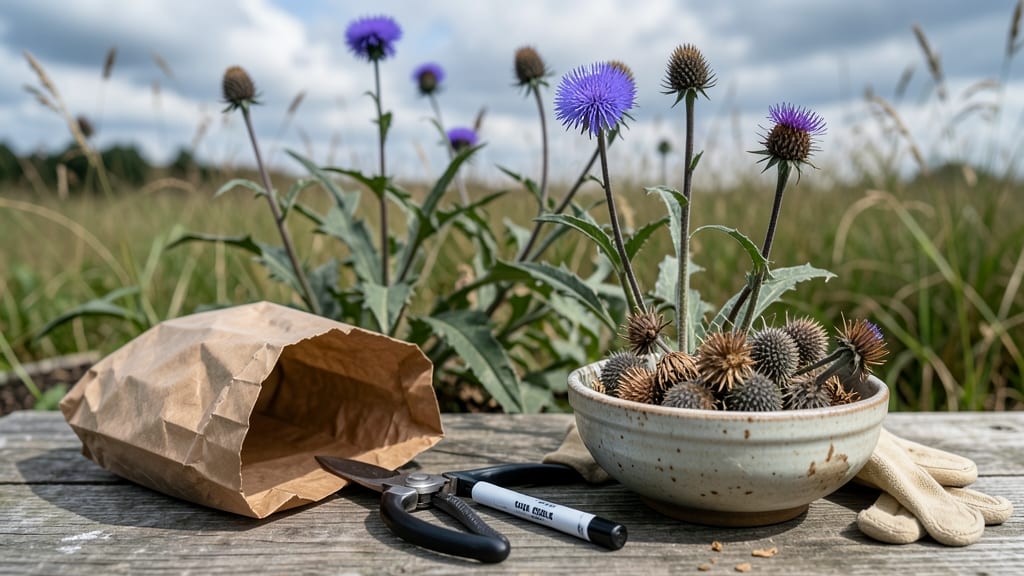
Harvesting bachelor button seeds 🌸 when the flower heads turn brown and dry completely ensures you capture the highest-quality seeds for next year’s garden.
Picture this: you’ve spent months nurturing your bachelor button plants, and now their delicate blooms are fading into crispy brown seed heads. But wait—how do you know when to snip them for the best viability?
The answer lies in timing, and missing it means watching those seeds scatter or lose their potency.
This guide breaks down the exact signs to watch for—from the moment the petals drop to when the seed heads rattle like tiny drums—plus the simple steps to collect, dry, and store them properly.
No more guesswork, just foolproof methods to keep your seeds fresh until planting season rolls around again.
Whether you’re saving seeds for pollinator-friendly gardens or just love the idea of growing from scratch, you’ll learn how to turn those dried blooms into a reliable seed stash that’s ready to sprout when you need it most.


When to harvest bachelor button seeds: signs heads are ready
Harvesting bachelor button seeds at the right time ensures high germination rates and healthy new plants. These drought-resistant annuals produce seeds after their blue-purple blooms fade, typically between July and September in most USDA zones.
The key is watching for visual maturity cues—don’t rush it, or you’ll end up with underripe seeds that won’t sprout.
Start by scanning your plants for brown, papery seed heads that have replaced the original flowers. Unlike fresh petals, these dried heads will feel lightweight and brittle when touched.
If you see golden-brown centers peeking through the dried husks, that’s your first sign the seeds are nearing readiness. This transformation usually happens 4-6 weeks after flowering begins.
Here’s the most reliable way to test maturity without damaging your plant: Gently shake a seed head over a white paper bag. If seeds rattle loudly inside and some fall out easily, they’re ready.
If the head feels damp or seeds stick together, wait 3-5 more days—bachelor button seeds need full dryness to maintain viability.
| Maturity Sign | What to Look For | Action |
|---|---|---|
| Color Change | Flower heads turn completely brown (no green or blue) | Mark for harvesting in 2-3 days |
| Texture | Seed heads feel dry and crispy (like paper) | Harvest immediately |
| Sound Test | Seeds rattle loudly when shaken | Collect seeds ASAP |
| Petal Stage | All petals have fallen naturally | Ready for harvest |
⚠️ Pro Tip: Harvest on a dry morning after dew has evaporated to prevent moisture damage.
Timing matters more than you might think. If you harvest too early, the seeds won’t germinate—underripe seeds often produce weak or no sprouts. Conversely, leaving them too long on the plant risks seed dispersal by wind or birds.
In my experience, late morning harvests work best because the seed heads have had time to dry overnight but aren’t yet brittle from afternoon heat.
One mistake I made my first year was harvesting based solely on color. Some heads looked brown but were still damp inside. To avoid this, always combine visual checks with the shake test.
If seeds stick together when you try to separate them, they need more time. Bachelor button seeds are lightweight, so a gentle shake over paper will reveal their readiness without harming the plant.
Pay attention to your local climate too. In humid regions, seed heads may stay damp longer, requiring extra drying time after harvest. If rain is forecast, collect seeds 24-48 hours early and finish drying indoors. A well-ventilated area with indirect sunlight is ideal for post-harvest drying.
For best results, harvest seeds from multiple plants to ensure genetic diversity in your next crop. Mix seeds from 3-5 different bachelor button plants to create a robust collection. This simple step prevents inbreeding weaknesses and keeps your garden thriving year after year.
Once you’ve confirmed maturity, act quickly. Use clean, sharp scissors to snip the entire seed head (about 1-2 inches of stem). Place them in a paper bag to dry completely—this prevents mold and maintains seed quality.
Label your bags with the harvest date and plant variety if you’re saving multiple types.
Remember, bachelor button seeds are non-hybrid, meaning you can save them year after year without losing quality. With the right timing and care, you’ll have a reliable seed source for decades. Happy harvesting—your future gardens will thank you! 🌸
Step-by-Step guide to harvesting seeds without losing them
Once your bachelor button flower heads turn brown and crispy, it’s time to harvest those drought-resistant seeds. The key is acting quickly to preserve germination rates while avoiding common pitfalls like moisture exposure or overhandling.
With the right tools and techniques, you’ll save seeds that’ll sprout beautifully next season.
Start by gathering your harvesting tools: clean scissors or pruners, a paper bag or envelope, and a drying tray. Avoid plastic containers—they trap humidity, which can ruin your seeds. Work on a dry, sunny day when the seed heads are completely dry to the touch.
How to Harvest Bachelor Button Seeds
- 🌾 Step 1: Identify Mature Heads
Look for fully brown flower heads that rattle when shaken. The petals should have fallen naturally, leaving only the seed-filled center. - ✂️ Step 2: Cut the Seed Heads
Use clean scissors to snip the entire seed head from the stem, leaving about 1 inch of stem attached. This prevents seed loss during handling. - 🌿 Step 3: Dry the Heads
Spread the seed heads on a paper towel in a well-ventilated area (like a sunny windowsill) for 1-2 weeks. Avoid direct sunlight to prevent overheating. - 🪣 Step 4: Extract the Seeds
Once the seed heads are completely dry, gently rub them between your fingers or use a paper bag to shake out the small, dark seeds. Discard any debris. - 📦 Step 5: Store Properly
Transfer seeds to a labeled envelope or airtight container with a desiccant packet to absorb moisture. Store in a cool, dark place (like a seed fridge) for up to 3 years.
One common mistake is harvesting seeds too early—if the flower heads are still green, the seeds won’t be viable. Another pitfall is skipping the drying step, which can lead to mold or rot. Always double-check for crispiness before storing.
For best results, harvest seeds in the late afternoon when humidity is low. If you’re unsure about seed maturity, squeeze a seed head gently—if the seeds rattle freely, they’re ready. Label your containers with the harvest date to track freshness.
With these steps, you’ll preserve high-quality seeds that’ll grow into vibrant bachelor buttons next season. Happy harvesting! 🌸