
How To
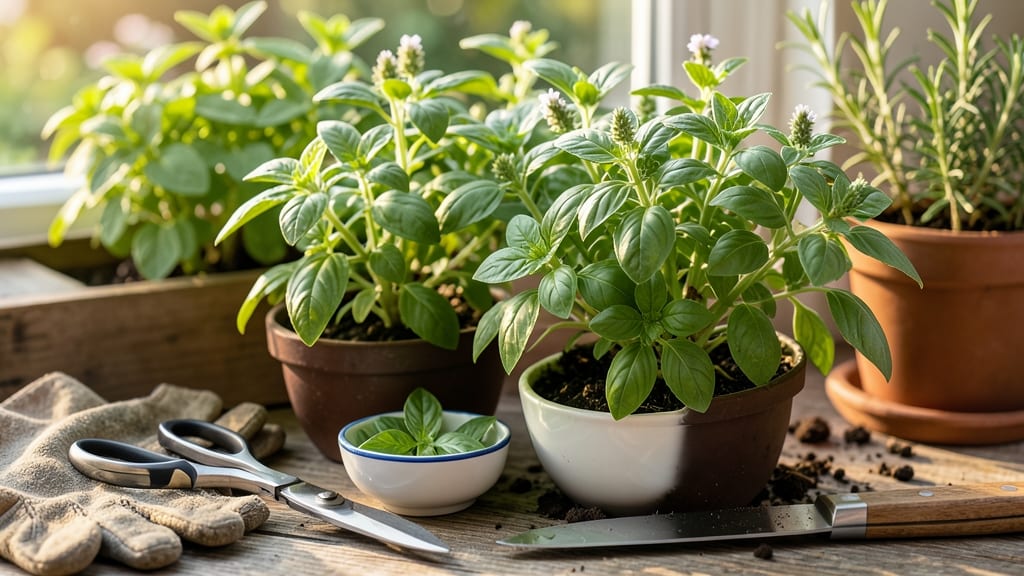
To harvest basil with pictures that show you exactly where to cut, start by pinching leaves just above a pair of new growth nodes—this keeps your plant bushy and productive.
Picture this: you’ve spent weeks nurturing your 🌿 basil, and now you’re ready to enjoy its rich flavor—but one wrong snip can turn your plant into a sad, leggy shadow. The secret? Timing and technique matter more than you think.
Harvesting at the right moment (when leaves are large but before flowers appear) ensures maximum flavor and prevents bitterness. Below, I’ll walk you through the step-by-step process, complete with visual cues so you never guess again.
You’ll learn how to use sharp scissors or your fingers, where to cut for regrowth, and even how to store your harvest to keep it fresh for weeks. No more wasted leaves—just perfect basil, every time.


When and how to harvest basil for maximum flavor and growth
Harvesting basil at the right time is the secret to keeping your plants productive and flavorful. The best time to harvest is when your basil has 6-8 sets of true leaves and stands 6-8 inches tall.
This ensures the plant has enough energy to regrow while delivering the most aromatic leaves for your recipes. If you wait too long, the leaves become bitter and the stems woody, ruining both flavor and future harvests.
Timing is everything—harvest in the morning when essential oils are at their peak. Avoid harvesting after the plant flowers, as this triggers a shift from leaf production to seed development. Flowering basil tastes harsh and bitter, so always snip off any flower buds as soon as they appear.
This redirection of energy keeps your basil bushy and full of flavor all season.
Now, let’s talk technique. There are two primary methods: pinching (removing the top set of leaves) and cutting stems (harvesting entire branches). Both work, but cutting stems encourages bushier growth and yields more leaves over time.
Always use clean, sharp scissors or pruning shears to avoid crushing stems or spreading disease.
How to Harvest Basil with Pictures
-
Step 1: Choose the Right Time
Harvest in the morning when leaves are dry and vibrant. Look for 6-8 sets of true leaves and stems that are firm but not woody. -
Step 2: Select the Harvesting Method
For bushier growth, cut entire stems just above a leaf node (where leaves meet the stem). For smaller amounts, pinch off the top set of leaves. -
Step 3: Use the Right Tools
Use sharp scissors or pruning shears to make clean cuts. Avoid tearing leaves, which can damage the plant and attract pests. -
Step 4: Cut at the Correct Angle
Angle your cuts 45 degrees above a leaf node. This prevents water from pooling and reduces the risk of rot or disease. -
Step 5: Remove Flower Buds
As soon as you spot flower buds, snip them off immediately. This keeps the plant focused on producing flavorful leaves instead of seeds. -
Step 6: Store or Use Immediately
Use freshly harvested basil within 3-5 days for the best flavor. Store stems in a glass of water in the fridge, or wash and dry leaves before storing in a sealed container.
One of the biggest mistakes gardeners make is over-harvesting. Never remove more than 1/3 of the plant at once, or you’ll stress the basil and stunt its growth. If you’re harvesting heavily, space out your cuts over 2-3 weeks to give the plant time to recover.
This ensures a steady supply of fresh leaves without sacrificing the plant’s health.
After harvesting, always rinse your tools with rubbing alcohol or soapy water to prevent the spread of bacterial or fungal diseases. Basil is susceptible to issues like downy mildew and powdery mildew, so good hygiene is key.
If you notice yellowing leaves or spots, act fast by removing affected leaves and improving air circulation around the plant.
For maximum yield, harvest basil every 2-3 weeks throughout the growing season. Regular harvesting encourages new growth and prevents the plant from becoming leggy or woody. If your basil starts to flower, don’t panic—simply prune back the flowers and continue harvesting leaves from the lower stems.
With the right care, your basil plant can keep producing flavorful leaves for months.
Pro tip: If your basil plant becomes too leggy, don’t hesitate to prune it back by 1/3. This rejuvenates the plant and often results in even bushier growth than before.
Just be sure to harvest in the morning and avoid cutting into woody stems, as these won’t regrow well.
Harvesting basil correctly is all about balance. Give your plant enough time to recover between harvests, but don’t let it go to seed. By following these steps, you’ll enjoy a continuous supply of fresh, flavorful basil all season long—no bitter stems or sad, sparse plants in sight!
Step-by-step basil harvesting guide with visual annotations
Harvesting basil correctly ensures your plant stays lush and productive while delivering the brightest flavor. The key lies in precise cutting techniques and understanding where to snip for optimal regrowth. Unlike the pinching method mentioned earlier, cutting stems at the right angle encourages bushier growth and prevents legginess.
Below, I’ll guide you through every step with visual cues to make harvesting foolproof.
Before you begin, gather your tools: sharp pruning shears, a small bowl for clippings, and a spray bottle of water for rinsing tools between cuts. Avoid dull blades—they crush stems and invite disease.
I always keep a small bottle of rubbing alcohol nearby to disinfect tools after each use, especially if my basil shows signs of stress like yellowing leaves.
Visual Guide: How to Harvest Basil
-
1. Identify Leaf Nodes
Locate the leaf nodes (the points where leaves meet stems). These are your cutting targets. In the picture, you’ll see a close-up of a basil stem with 3 visible nodes—cut just above the top node.
-
2. Angle Your Cuts
Make a 45-degree angle about 1/4 inch above the node. This prevents water from pooling and reduces rot risk. The image shows a clean diagonal cut—never straight across!
-
3. Choose the Right Stems
Harvest stems with 4-6 leaves. Avoid cutting into woody stems (thicker than a pencil). The visual shows a healthy stem ready for harvest versus a woody one to avoid.
-
4. Remove Flower Buds
If you spot flower buds, snip them immediately. The picture highlights a tiny white bud—removing it redirects energy to leaf production. Never let basil flower!
-
5. Store or Use Immediately
Place harvested stems in a glass of water (like a bouquet) and refrigerate. The visual shows basil stems standing upright in water—this keeps them fresh for up to 10 days.
After harvesting, rinse your basil leaves under cool water to remove dirt, then gently pat them dry with a paper towel. Store them in a sealed container lined with a paper towel to absorb excess moisture.
For long-term storage, dry the leaves on a screen in a shady, well-ventilated area for 2-3 days before crumbling them into flakes. This method preserves flavor far better than freezing raw leaves.
One common mistake is harvesting more than 1/3 of the plant at once. To avoid this, I recommend harvesting every 2-3 weeks rather than all at once. If your basil looks sparse after harvesting, don’t panic—simply prune back the entire plant by 1/3 to encourage bushier regrowth.
The visual below shows a leggy basil plant before and after a rejuvenating prune.
For container-grown basil, rotate the pot quarter-turn daily to ensure even sunlight exposure. This prevents the plant from leaning toward light, which can make stems weak and leaves sparse. Always harvest from the outer stems first to encourage inward growth, creating a fuller plant over time.
With these techniques, your basil will thrive all season long, providing a steady supply of flavorful leaves without bitterness.
Remember: the morning hours are ideal for harvesting because essential oils are at their peak. Avoid harvesting after noon, as the heat can cause leaves to wilt quickly. By following these visual cues and techniques, you’ll master basil harvesting in no time—your garden (and your recipes) will thank you!