
How To
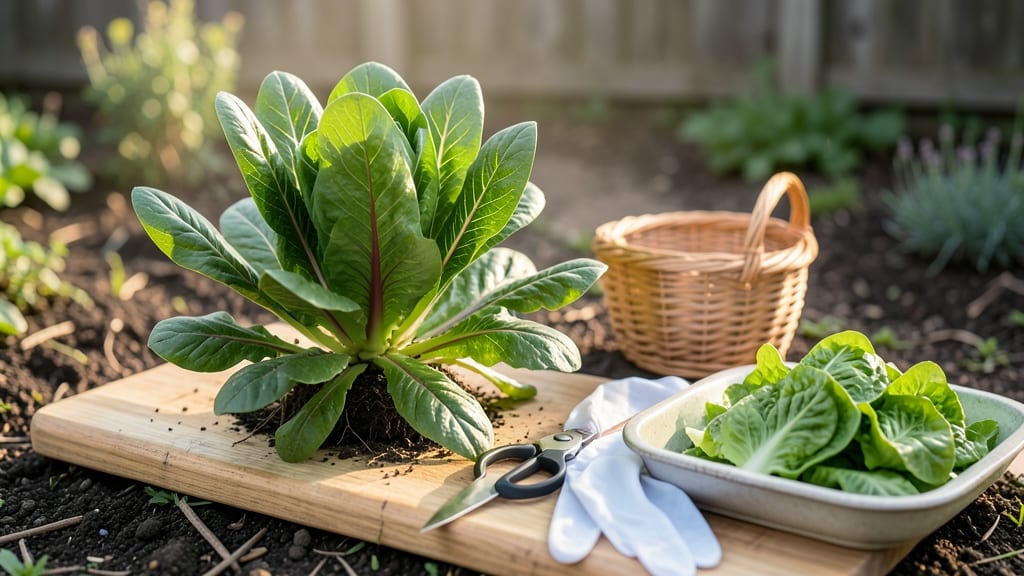
Harvesting bib lettuce at the right time ensures tender, flavorful leaves 🥬—and skipping this step means sacrificing crispness for bitterness.
Picture this: you’ve nurtured your bib lettuce for weeks, only to pull a leaf that’s tough, yellowing, or worse, already bolting. That’s the frustration of harvesting too late—or too early.
The key is timing: leaves should be 3-4 inches long, deep green, and slightly tender when touched, but not yet woody.
Below, I’ll walk you through the exact moment to harvest, the tools you’ll need, and how to avoid common mistakes that ruin your crop. Whether you’re growing loose-leaf or head varieties, these steps will keep your lettuce restaurant-quality for weeks.
You’ll also discover how to encourage regrowth, store your harvest properly, and spot the signs of over-maturity before it’s too late. Let’s get those crisp, flavorful leaves into your kitchen the right way.


When to harvest bib lettuce for maximum flavor and texture
Timing is everything when harvesting bib lettuce—pick too early, and you’ll miss out on sweet flavor; wait too long, and your leaves turn bitter or bolt.
The key is catching those outer leaves at their peak tenderness, usually 30–50 days after planting, when they’re 3–4 inches long and vibrant green. This window ensures your salad greens stay crisp and delicious, not woody or tough.
For loose-leaf varieties, you can harvest continuously by plucking outer leaves as they mature, allowing the inner leaves to keep growing. Head varieties, like Bibb or Buttercrunch, need a more precise approach—harvest the whole head when the leaves are fully formed but before the center tightens.
Miss this moment, and you risk bolting or flavor loss.
Here’s your quick reference for ideal harvest cues:
Pay close attention to the color of your bib lettuce leaves. Ideal leaves should be a vibrant green, not pale or yellowing.
A slight reddish tint on the edges is normal for some varieties, but avoid leaves with brown spots or wilting edges, as these signal stress or disease. The texture is another dead giveaway—tender leaves yield slightly when gently pressed, while tough or leathery leaves are past their prime.
If you’re growing bib lettuce in containers, check leaves every 5–7 days starting at 30 days after planting. Container-grown lettuce often matures faster due to warmer soil temperatures, so stay vigilant.
For garden beds, a weekly inspection ensures you don’t miss the harvest window, especially in cooler climates where growth slows.
Morning is the best time to harvest—leaves are crispest and coolest, reducing wilting. Avoid harvesting after hot afternoons or during rain, as damp leaves can develop fungal issues like downy mildew.
Use a sharp knife or scissors to cut stems cleanly, leaving 1–2 inches of growth to encourage regrowth in loose-leaf varieties.
For continuous harvests, focus on outer leaves first. This method lets you enjoy fresh greens for weeks without uprooting the entire plant. Just avoid cutting into the inner heart, as this can stunt growth.
If your lettuce bolts (sends up a tall flower stalk), it’s a sign you waited too long—bolted lettuce becomes bitter and inedible, so harvest aggressively before this happens.
Pro tip: Store harvested leaves in a perforated plastic bag lined with a paper towel to absorb moisture. Keep them in the crisper drawer of your fridge for up to 5–7 days. For longer storage, blanch and freeze leaves—this preserves flavor and texture for up to 6 months.
Now that you’ve mastered the harvest timing, your next step is learning the proper techniques to avoid damaging the plant. Stay tuned for my next section on step-by-step harvesting methods that keep your bib lettuce thriving! 🥬
Step-by-step harvesting techniques to preserve lettuce quality
Harvesting bib lettuce the right way ensures you get crisp, flavorful leaves without stressing the plant. The key is using the correct cutting technique and tools to avoid damage while encouraging regrowth. Whether you're harvesting loose-leaf or head varieties, these steps will keep your crop thriving for weeks.
Start by waiting until your outer leaves reach 3-4 inches—this is the perfect size for tender, flavorful harvests. Avoid cutting too close to the base, as this can expose the plant to pests and diseases. Instead, focus on selective harvesting to maintain plant health and productivity.
-
Step 1: Choose the Right Tools
Use a sharp pair of scissors or clean pruning shears to avoid tearing leaves. Avoid dull knives, which crush the plant tissue and invite rot.
-
Step 2: Identify Mature Leaves
Look for fully unfurled leaves that are 3-4 inches long and deep green. These are ready for harvest while leaving younger leaves to grow.
-
Step 3: Cut at the Base
Hold the leaf firmly and cut just above the outer leaf collar (where the leaf meets the stem). Angle your cut slightly to prevent water from pooling.
-
Step 4: Avoid Over-Harvesting
Never remove more than ⅓ of the plant at once. This ensures the remaining leaves can photosynthesize and continue growing.
-
Step 5: Store Properly
Place harvested leaves in a plastic bag with a paper towel to absorb moisture. Store in the crisper drawer of your fridge for up to 5-7 days.
For head varieties like romaine, wait until the head is firm and fully formed before harvesting. Use a serrated knife to cut the entire head at the base, leaving about 1 inch of stem to encourage regrowth in some varieties.
If your bib lettuce starts to bolt or taste bitter, it’s a sign you waited too long. To prevent this, harvest frequently and keep the soil consistently moist—drought stress triggers bolting. Mulching around the base helps maintain even moisture levels.
With these techniques, you’ll enjoy a steady supply of crisp, fresh lettuce all season long. Plus, proper harvesting encourages the plant to produce even more tender leaves for your next salad! 🥬