
How To
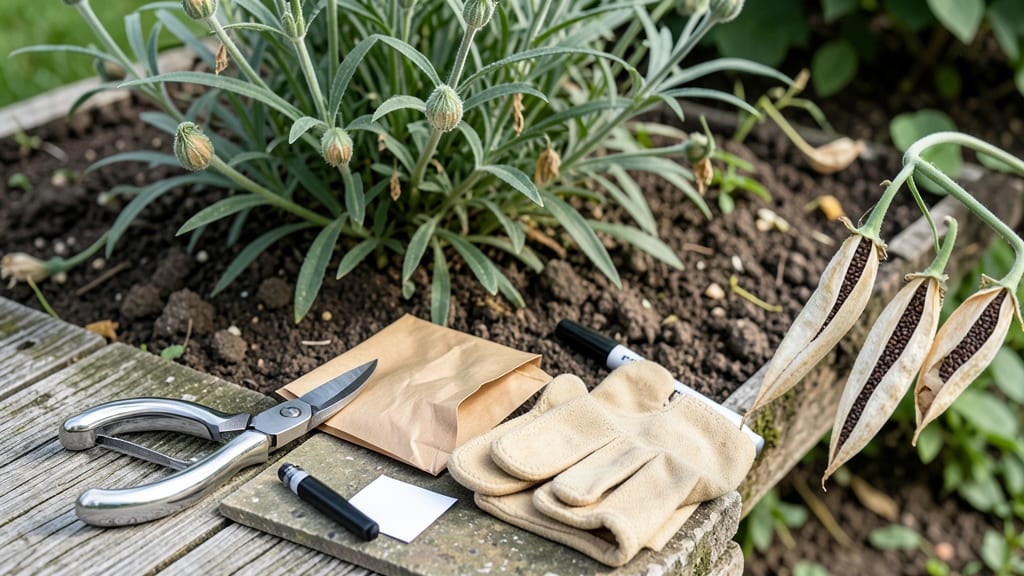
To harvest carnation seeds successfully, you’ll need to time it right—waiting for the pods to turn deep brown and dry while avoiding overripe ones that shatter.
Struggling to collect carnation seeds from your garden? Proper seed harvesting ensures stronger plants next season—but timing, technique, and pod selection make all the difference. One wrong move, and you could end up with seeds that won’t sprout.
In this guide, I’ll walk you through the exact signs to look for when carnation seed pods are ready, like how they turn from green to brown and rattle when shaken. Miss this window, and your seeds might not stay viable.
You’ll also learn the best drying and storage methods to keep seeds fresh for planting next spring, so you can grow more of those beautiful 🌸 blooms year after year.


When and how to identify mature carnation seed pods for harvesting
Harvesting carnation seeds at the right time ensures high germination rates and healthy new plants. The key is watching for visual cues that signal maturity—typically 2-3 weeks after flowering when the seed pods fully develop. Miss this window, and seeds may lose viability or scatter before you collect them.
Start by examining the color change of the seed pods. When they shift from green to brown, this indicates ripening. However, don’t harvest immediately—wait until the pods feel dry and papery to the touch. This texture confirms the seeds inside are ready for collection.
| Stage | Pod Color | Pod Texture | Seed Readiness | Action |
|---|---|---|---|---|
| Immature | Green | Firm | Not ready | Wait 1-2 weeks |
| Ripening | Brownish-green | Slightly dry | Nearly ready | Monitor daily |
| Mature | Dry brown | Papery, cracks open | Ready to harvest | Collect immediately |
| Overripe | Grayish-brown | Brittle, scatters seeds | Low viability | Avoid harvesting |
A simple trick to confirm maturity is the "rattle test". Gently shake a pod—if you hear seeds moving inside, it’s ready. This method works best in dry, sunny conditions when pods are fully open. Harvest on a clear, dry day to prevent moisture from damaging seeds during collection.
Timing is crucial because carnation seed pods open naturally when mature, releasing seeds into the soil. If you spot pods splitting open on the plant, act fast—collect them within 24 hours to prevent seed loss. This is especially important for heirloom varieties, where seed purity matters most.
Another sign of readiness is the flower’s lifecycle. After carnation blooms fade and wilting occurs, the seed pods begin forming. By 3 weeks post-flowering, pods should be fully mature if growing conditions were ideal.
Keep an eye on the stem base—if it’s drying out, the pods are likely ready too.
For gardeners in USDA Zone 6a, aim to harvest carnation seeds between late summer and early fall (August-September). This aligns with the plant’s natural dormancy period before winter. If you miss this window, seeds may not survive freezing temperatures or high humidity.
Use clean, sharp pruning shears to snip pods from the stem, leaving a small stem attachment (about 1 inch) to help with drying. Avoid pulling pods off—this can damage the plant and cause seeds to spill prematurely. Place harvested pods in a paper bag for airflow while you finish collecting.
If you’re unsure whether pods are mature, err on the side of waiting. Overripe pods lose viability quickly, while slightly underripe ones can still dry properly indoors. Store any questionable pods in a cool, dry place for a few extra days to finish maturing before processing.
Pro tip: Label your seed pods by variety and harvest date using a small tag or marker. This helps track which seeds are best for next season’s planting and ensures you don’t mix heirloom types with hybrids. Proper labeling also prevents confusion when storing seeds long-term.
Once you’ve mastered identifying mature carnation seed pods, you’re ready for the next step: drying and storage. This process preserves seed viability for up to 3 years if done correctly. Stay tuned for our next guide on optimal drying techniques and storage tips!
Step-by-step carnation seed harvesting process with common mistakes to avoid
Once you’ve identified your mature carnation seed pods, the next step is careful harvesting to preserve seed viability. Start by gently twisting the dry brown pods from the stem—never pull or rip them, as this can damage the delicate seed clusters inside.
Use clean, sharp pruning shears or your fingers to avoid crushing the pods. Place them in a paper bag or breathable container to prevent moisture buildup, which can lead to mold or premature germination.
⚠️ callout warning ⚠️
Harvesting too late causes pods to shatter, scattering seeds and reducing yield. Overripe pods also lose viability faster due to internal seed dehydration.
Avoid high-humidity storage—moisture accelerates mold growth, cutting germination rates by 50% or more. Store pods in a cool, dry place (60-70°F) immediately after harvest.
🌱 Pro Tip: Shake a pod over a white paper to check seed readiness—if seeds fly out easily, it’s harvest time!
After harvesting, spread the pods in a single layer on a screen or mesh tray in a well-ventilated area away from direct sunlight. This allows air to circulate, speeding up the drying process while preventing heat damage.
Drying typically takes 7-14 days, depending on humidity. Test readiness by gently pressing a pod—if it crumbles easily, the seeds are dry and ready for extraction.
To extract seeds, place dried pods in a paper bag and crush them gently with your fingers or a rolling pin. Sift the mixture through a fine mesh sieve to separate seeds from chaff, then store them in a labeled envelope.
Label your seeds with the harvest date and variety name to track viability. Properly stored carnation seeds remain viable for 2-3 years, ensuring you can replant your favorite blooms season after season.