
How To
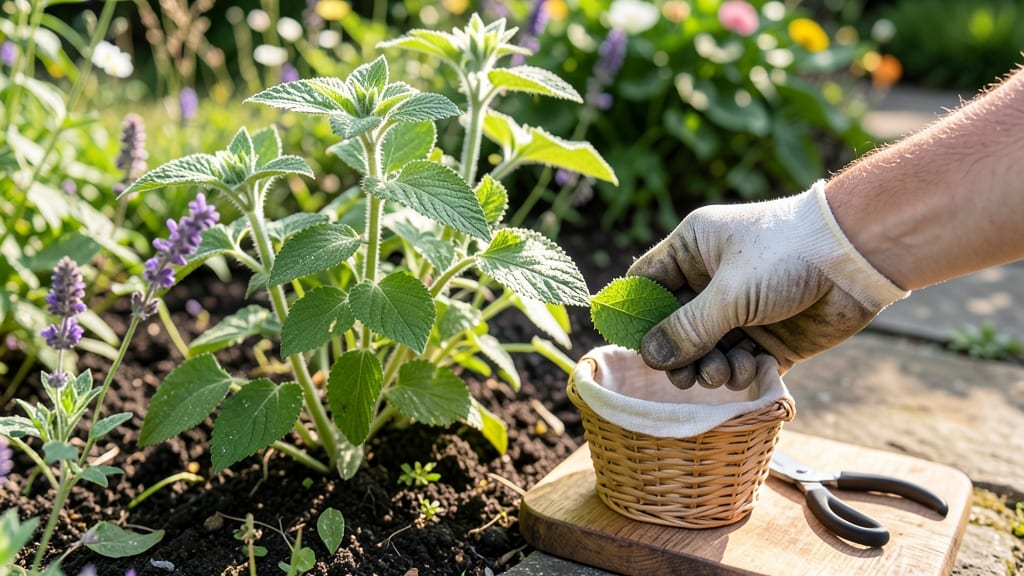
Harvesting catnip for cats at the right time boosts potency and keeps your plants happy 🐱 — and the difference between a weak and a wild reaction is all in the timing.
If your feline friend goes wild for catnip, you know how valuable fresh harvests can be—but timing and technique make all the difference. Skip the wrong moment, and you’re left with bland leaves that won’t even make your cat twitch its tail.
This guide covers the best time to harvest (hint: it’s not when the plant looks biggest), the tools you’ll need, and how to dry and store your bounty so it stays strong for months.
Whether you’re a first-time grower or a seasoned catnip enthusiast, these pruning tricks will help you maximize your yield without sacrificing plant health—so your cat always gets the good stuff.


Best time and season to harvest catnip for maximum potency
Timing your catnip harvest is everything if you want your feline friends to experience that signature euphoric reaction. The potency peaks during specific seasons, and missing these windows means weaker effects for your cats.
I’ve learned through trial and error that late spring to early summer delivers the strongest, most aromatic leaves—just when your plants are at their prime.
Catnip contains nepetalactone, the compound that drives cats wild, and its concentration is highest when the plant is mature but not flowering. Harvesting too early means underdeveloped leaves, while waiting too long reduces potency as the plant shifts energy to seed production.
The key is catching those 6-8 inch plants with fully developed, fragrant foliage.
Here’s the breakdown of when to harvest for maximum potency, along with seasonal differences that impact your yield:
| Season | Optimal Harvest Window | Plant Maturity | Potency Level | Key Indicator |
|---|---|---|---|---|
| Spring | Late May - Early June | 6-12 inches tall | Moderate | First strong aroma |
| Summer | June - August | 12-24 inches tall | Highest | Woody stems, soft leaves |
| Fall | September - Early October | Mature, pre-flowering | Moderate-Low | Leaves turn yellow |
Summer harvests are your golden ticket for maximum potency, especially in June and July when plants are fully mature but haven’t yet bolted. I’ve noticed my cats react most dramatically to catnip harvested during these months—proof that timing matters.
The morning hours are ideal because dew has evaporated, and the leaves are crisp, preserving their aromatic oils better.
If you’re in a cooler climate, like USDA Zone 5 or below, your harvest window might shift slightly later. I’ve grown catnip in Zone 6, and even a 10-day delay can mean the difference between potent leaves and bitter stems.
Always check your local last frost date—catnip thrives after temperatures consistently stay above 50°F (10°C).
One common mistake I see is harvesting flowering catnip. Once those white blossoms appear, the plant’s energy shifts to seed production, and the nepetalactone levels drop significantly. Save those flowers for tea (if you’re into herbal remedies) and focus on harvesting leafy growth instead.
The best time to prune for regrowth is right after your initial harvest—this encourages bushier, more productive plants.
For year-round harvests, consider growing catnip in containers. This way, you can bring pots indoors before the first frost and extend your harvest season. I’ve kept mine alive on a sunny windowsill through winter, though potency naturally declines during colder months.
Even so, it’s better than nothing for cats who can’t wait until spring!
Pro tip: Label your harvests by date. This helps track which batches yield the strongest reactions in your cats. I’ve found that July-harvested catnip consistently outperforms earlier or later batches. Store dried leaves in airtight containers away from light to preserve that magic for months.
Remember, the goal is consistent, high-potency harvests that keep your cats rolling around like they’ve hit the jackpot. With the right timing and care, your catnip patch can be a year-round source of feline joy—no chemical substitutes needed!
Step-by-step pruning and harvesting techniques for healthy growth
Pruning catnip isn’t just about harvesting—it’s about encouraging healthy regrowth and maximum potency for your feline friends. The key is to trim strategically, using the right tools and timing to avoid stressing the plant while packing the most flavor into every leaf.
Start by gathering your essential tools: a pair of sharp pruning shears, a clean knife for close trims, and a basket or bag to collect your harvest. Avoid dull blades—they crush stems and reduce potency, leaving your catnip weak and ineffective.
Now, let’s dive into the process. The goal is to harvest leaves before flowering, as this is when the plant’s nepetalactone content (the compound cats love) peaks. Wait until the plant reaches at least 6-8 inches tall with fully developed leaves.
- 1 Identify the right stems: Look for stems with fully developed leaves but no flowers. These are prime for harvesting.
- 2 Use clean tools: Snip stems just above a leaf node (the point where leaves grow). This encourages new growth from that spot.
- 3 Harvest in the morning: Pick leaves when dew is still present but after the sun has dried them slightly. This preserves oil content and potency.
- 4 Leave 2-3 inches of growth: Never remove more than one-third of the plant at once. This prevents stress and ensures continuous regrowth.
- 5 Dry leaves quickly: Spread harvested leaves in a single layer on a screen or tray in a dark, well-ventilated area. Avoid direct sunlight to prevent oil degradation.
- 6 Store in airtight containers: Once leaves are crisp and brittle (about 1-2 weeks), store them in glass jars with tight lids. Keep jars in a cool, dark place to maintain potency for up to 1 year.
After harvesting, your catnip will bounce back with new growth in about 2-3 weeks. Regular pruning actually boosts density and encourages bushier, more aromatic plants. Just avoid harvesting in late summer or fall, as the plant prepares for dormancy and potency drops.
Pro tip: If you notice yellowing leaves or slow regrowth, your plant may be over-harvested or stressed. Cut back on frequency and focus on watering and sunlight to revive it.
With these techniques, you’ll always have a steady supply of fresh, potent catnip that keeps your cats rolling for months to come 🐾.