
How To
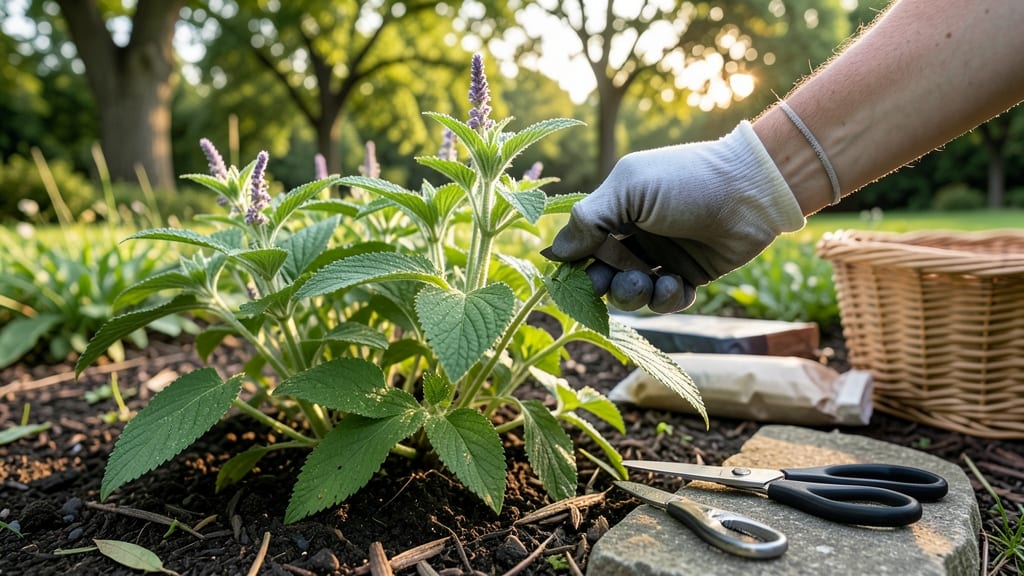
To harvest catnip at its peak potency, wait until the stems snap easily and the leaves feel velvety soft 🐱 — a sure sign the plant is ready for picking.
If your catnip plant’s stems bend with a satisfying snap and the leaves feel soft as velvet, it’s time to harvest—before the magic fades and your feline friends lose interest.
Timing is everything: harvest in the morning after the dew dries but before the heat of the day sets in. This ensures the highest concentration of oils that make catnip irresistible to cats.
In this guide, you’ll learn the exact techniques to harvest without overdoing it, how to preserve the potency, and when to stop cutting so your catnip keeps producing for months.


When to harvest catnip for maximum potency and freshness
Timing your catnip harvest is everything when it comes to preserving that irresistible scent and potency that drives cats wild. Harvest too early, and you’ll get weak, underdeveloped leaves. Wait too long, and the plant shifts energy to flowering, reducing the nepeta cataria oil that makes catnip so special.
The key is catching those peak maturity signs—when the plant is at its most aromatic and vigorous.
First, let’s talk about the ideal growth stage. Catnip thrives when it’s between 60 to 90 days old, but you’ll know it’s ready when the stems snap easily with a slight bend (not a break) and the leaves feel velvety soft.
This is your golden window—before the plant starts flowering and the potency begins to fade.
🌿 5 Key Signs Your Catnip Is Ready to Harvest
- 🍃 1. Stem Snap Test: Gently bend a stem—it should bend with a slight woody snap, not break. This means it’s mature but still flexible.
- 👃 2. Strong Aroma: Crush a leaf between your fingers. If it releases a powerful, minty scent, it’s ready. Weak scent? Wait a few days.
- ✂️ 3. Leaf Texture: Leaves should be dark green and velvety, not waxy or yellowing. Avoid harvesting if leaves feel brittle.
- 🌱 4. Plant Height: Aim for 12–24 inches tall. Shorter plants may not have developed enough potency.
- 🌸 5. No Flowers Yet: Harvest before flowering starts. Once buds appear, the plant’s energy shifts away from leaf production.
⚠️ Pro Tip: Avoid harvesting in direct sunlight or during peak heat (10 AM–4 PM). Leaves lose potency quickly when exposed to intense heat.
One of the biggest mistakes gardeners make is over-harvesting. Never take more than one-third of the plant at a time. Catnip is a hardy perennial, but aggressive harvesting can stress the plant, leading to stunted growth or even death.
If you’re growing catnip for long-term use, space out harvests every 4–6 weeks during the growing season.
Another critical factor is the time of day. Always harvest in the morning after dew has dried but before the sun peaks. This ensures the leaves are hydrated and packed with oils.
Harvesting in the afternoon or evening can result in wilting leaves and reduced potency. Think of it like picking herbs for cooking—timing matters!
If you’re unsure whether your catnip is ready, perform the stem snap test again. Give the stem a gentle bend—if it snaps with a slight resistance (like a fresh celery stalk), it’s perfect.
If it bends too easily, wait a few more days. If it feels stiff and breaks, you’ve missed the window and should wait for the next growth cycle.
Finally, avoid harvesting flowering stems or seed heads. While some gardeners save seeds, the real potency lies in the leaves and tender stems. Focus on the upper third of the plant, where the leaves are largest and most aromatic.
This encourages bushier growth and more harvests down the line.
Once you’ve mastered the harvest timing, the next step is preserving that potency. Whether you’re drying, freezing, or using fresh, proper handling keeps the nepeta cataria oils intact. But that’s a topic for our next section—where we’ll dive into the best techniques for post-harvest care.
Step-by-step catnip harvesting techniques for beginners
Now that you’ve identified the perfect harvest window for your catnip, it’s time to dive into the hands-on techniques that preserve its potency. Whether you’re using hand-plucking for small batches or pruning shears for larger harvests, the right method makes all the difference.
I’ll walk you through both approaches, plus the essential tools and timing to keep your catnip thriving for future harvests.
Before you begin, gather your harvesting tools. You’ll need a sharp pair of pruning shears or clean scissors for cutting stems, a gloves (optional but helpful to avoid oils on your hands), and a clean basket or bag to collect your harvest.
Avoid plastic bags—they trap moisture and can cause mold. Instead, opt for breathable fabric or paper bags to maintain freshness.
🌿 Step-by-Step Catnip Harvesting Guide
-
Step 1: Choose Your Method
Hand-plucking: Pinch leaves between thumb and forefinger, pulling gently upward to avoid damaging stems. Best for small, frequent harvests. -
Step 2: Cut at the Right Angle
Use pruning shears to cut stems at a 45-degree angle just above a leaf node. This encourages bushier growth. -
Step 3: Harvest in the Morning
Pick between 7–9 AM when dew has evaporated but heat hasn’t peaked. This preserves nepeta cataria oils. -
Step 4: Focus on the Upper Third
Target the top 1/3 of the plant where leaves are largest. Avoid flowering stems to maintain potency. -
Step 5: Never Take More Than 1/3
Remove no more than 1/3 of the plant at once. Over-harvesting stresses the plant and reduces future yields. -
Step 6: Preserve Freshness Immediately
Spread leaves on a paper towel-lined tray in a shady spot for 1–2 hours to air-dry slightly before processing.
⚠️ Pro Tip: Always harvest on a dry, cloudy day if possible. Humidity can accelerate mold growth during drying.
If you’re harvesting for immediate use, like fresh catnip toys for your pets, skip drying and store the leaves in the fridge for up to 5–7 days. Wrap them in a damp paper towel to retain moisture.
For long-term storage, drying is your best bet—we’ll cover that in detail in the next section. Remember, the faster you process your harvest, the more potent the final product will be.
One common mistake beginners make is harvesting too aggressively in one session. Catnip is a perennial herb, meaning it regrows year after year. To keep your plant healthy, space out harvests every 4–6 weeks during the growing season.
This gives the plant time to recover and produces a steady supply of fresh leaves. If you’re growing catnip in containers, be extra cautious—root-bound plants are more sensitive to over-harvesting.
For large-scale harvesting, consider using a dehydrator or hanging bundles to dry catnip efficiently. Bundle stems together and hang them upside down in a well-ventilated area away from direct sunlight. This method preserves the leaves’ structure and potency better than air-drying on a flat surface.
Once fully dried, store the leaves in an airtight container away from light to maintain their aromatic qualities for months.
Finally, always sterilize your tools before and after each harvest. A quick wipe with rubbing alcohol prevents the spread of disease. If you notice yellowing leaves or stunted growth after harvesting, your plant may be stressed.
In this case, reduce future harvests and focus on watering and fertilization to help it recover. With the right techniques, your catnip will reward you with abundant, potent harvests for years to come.