
How To
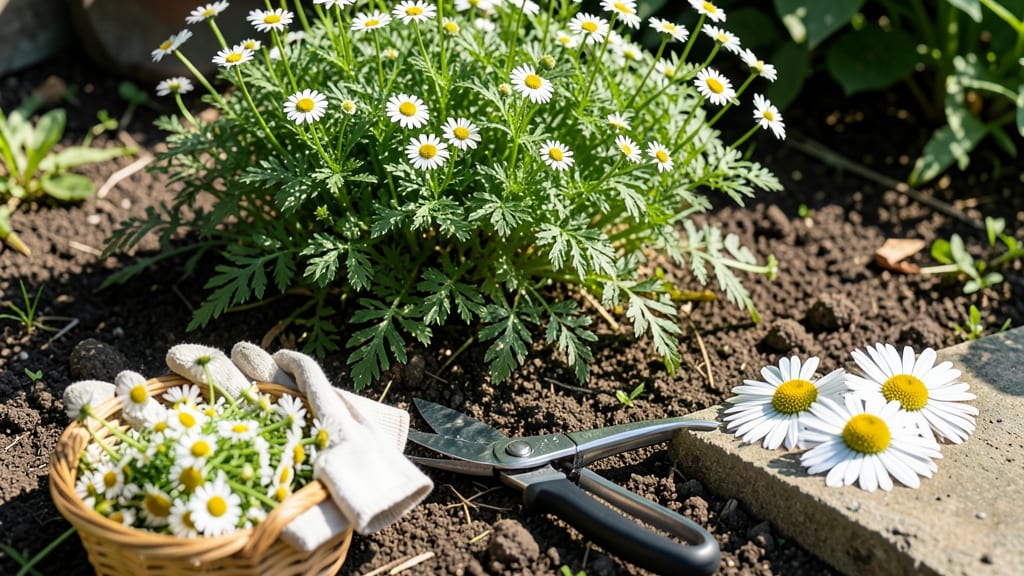
To harvest chamomile at its peak, you’ll want to pluck the flowers just as they begin to open—when their delicate petals are still slightly curled back, revealing the golden center 🌼.
Harvesting chamomile at the right time transforms its delicate flowers into a soothing tea or medicinal powerhouse—but timing and technique make all the difference.
If you’ve ever snipped a flower too late and ended up with bitter-tasting tea, you know how critical this step is. The best harvests come from flowers picked in the morning after the dew has dried, ensuring maximum flavor and potency.
In this guide, I’ll walk you through the exact steps for harvesting, drying, and storing chamomile—plus how to spot the perfect moment to pick for the best results every time.


When to harvest chamomile for maximum flavor and potency
Timing is everything when harvesting chamomile—picking at the wrong moment can turn your delicate flowers into bitter, flavorless scraps. The best time to harvest is when the flower buds are fully formed but haven't fully bloomed yet.
This ensures the highest concentration of essential oils and soothing compounds that make chamomile tea so calming. Think of it like catching a flower at its peak youth, before it releases all its energy into full bloom.
Most gardeners swear by harvesting in the early morning, between 8 AM and 10 AM, when the dew has evaporated but the sun hasn't peaked. This timing preserves the volatile oils that give chamomile its signature aroma and medicinal properties.
If you must harvest later in the day, aim for late morning to avoid the heat of afternoon, which can cause the petals to wilt prematurely.
Seasonal timing also plays a crucial role. For fresh chamomile, harvest during the peak blooming season, typically June through September in most USDA zones.
If you're drying chamomile for long-term storage, focus on harvesting in late summer, when the flowers are most abundant and the weather is dry. This ensures your dried chamomile retains its potency and flavor for months.
Now, let's talk about the flower maturity indicators that tell you it's time to harvest. Look for buds that are plump and white with just a hint of the yellow center starting to show. The petals should be slightly separated, but not fully open.
If you gently crush a bud and smell a mild chamomile scent, that's your green light. Avoid harvesting when the petals are fully open or when they start to wilt or brown—this is when the flavor and potency begin to decline.
🌼 5 Key Steps to Harvest Chamomile at Peak Potency
- 🌅 Harvest in the morning (8–10 AM) when dew is gone but heat hasn't peaked.
- 🌸 Pick buds just before they fully open—petals should be slightly separated with yellow centers visible.
- ✂️ Use clean, sharp scissors to cut stems about 2 inches below the flower head.
- ☀️ Avoid harvesting after rain—wet flowers dry poorly and risk mold.
- 🌿 Harvest every 2–3 days during peak blooming to encourage continuous production.
One common mistake is harvesting chamomile after it's fully bloomed. Once the petals open completely, the essential oils start to degrade, and the flavor becomes bitter. Think of it like waiting too long to pick strawberries—they go from sweet to mushy.
Similarly, chamomile loses its medicinal potency if left on the plant past its prime. For German chamomile (the most common type), this means harvesting when the flower heads are dome-shaped but not yet flat.
Seasonal considerations also affect how you use your harvest. If you're growing chamomile for fresh tea or culinary uses, harvest in early summer when the flavor is brightest.
For dried chamomile, late summer harvests yield the most abundant flowers and benefit from the dry, warm weather ideal for drying. Store dried chamomile in airtight containers away from direct sunlight to preserve its aroma and therapeutic properties for up to a year.
Pro tip: If you're unsure whether your chamomile is ready, perform the "scent test". Gently crush a bud between your fingers—if it releases a mild, apple-like aroma, it's harvest-ready.
If there's no scent, wait another day or two. This simple trick saves you from harvesting underripe or overripe flowers, which can ruin your batch.
Remember, chamomile plants thrive on regular harvesting. The more you pick, the more they produce—up to a point. Avoid harvesting more than one-third of the plant at once to prevent stress.
With the right timing and technique, you'll enjoy a bountiful harvest of fragrant, potent chamomile perfect for teas, tinctures, or even homemade skincare remedies.
For those in cooler climates (USDA zones 3–5), extend your harvest season by using row covers to protect plants from early frosts.
In warmer zones (7–10), chamomile may bloom year-round, but focus on harvesting in spring and fall to avoid the intense midday heat that can stress the plants. Adjust your schedule based on your local climate to maximize your yield.
Finally, always harvest on a dry, sunny day. Wet flowers are harder to dry properly and may develop mold or mildew. Check the weather forecast and plan your harvest for a day with clear skies and low humidity.
With these tips, you'll be well on your way to harvesting chamomile at its peak flavor and potency, every single time.
Step-by-step chamomile harvesting and drying guide
Harvesting chamomile correctly ensures you capture its maximum flavor and medicinal properties. The key is to pick flowers when they’re fully bloomed but not yet wilted, typically in the morning hours after dew has evaporated. This timing preserves the volatile oils that give chamomile its soothing effects.
Once you’ve identified the perfect flowers, the next steps involve gentle handling to avoid damaging the delicate petals. Using the right tools and drying methods will lock in that fresh-picked potency for months. Let’s break it down into simple, actionable steps to make your harvest foolproof.
-
Step 1: Gather Your Tools
Use clean, sharp scissors or pruning shears to avoid crushing stems. A basket or paper bag with holes will prevent moisture buildup.
-
Step 2: Identify Ready-to-Harvest Flowers
Look for fully open flowers with white petals and golden centers. Gently crush a petal—if it releases a sweet, apple-like scent, it’s ready.
-
Step 3: Cut Stems at the Right Angle
Snip stems just above a leaf node at a 45-degree angle to encourage new growth. Avoid pulling flowers to prevent root damage.
-
Step 4: Bundle Stems for Drying
Gather 5-10 stems and tie them with twine or rubber bands at the base. Hang bundles upside down in a dry, dark, well-ventilated space.
-
Step 5: Air-Dry Chamomile (2-3 Weeks)
Dry flowers for 2-3 weeks until stems are crisp and brittle. Avoid direct sunlight to prevent loss of potency.
-
Step 6: Store Dried Flowers Properly
Once dry, strip petals from stems and store in airtight glass jars away from light and moisture. Label with the harvest date for freshness.
For faster drying, use a dehydrator set to 95°F (35°C) for 1-2 hours. This method works well if you’re short on time, but air-drying preserves more of the essential oils. Just ensure your dehydrator isn’t too hot, or you’ll risk burning the delicate petals.
Pro tip: If you’re harvesting chamomile for tea blends, avoid using flowers with brown or discolored petals, as they’ll impart a bitter taste. Always store dried chamomile in a cool, dark place to maintain its calming properties for up to 12 months.
With these steps, you’ll turn your chamomile harvest into a long-lasting, high-quality resource for teas, tinctures, or even homemade skincare. Happy harvesting! 🌼