
How To
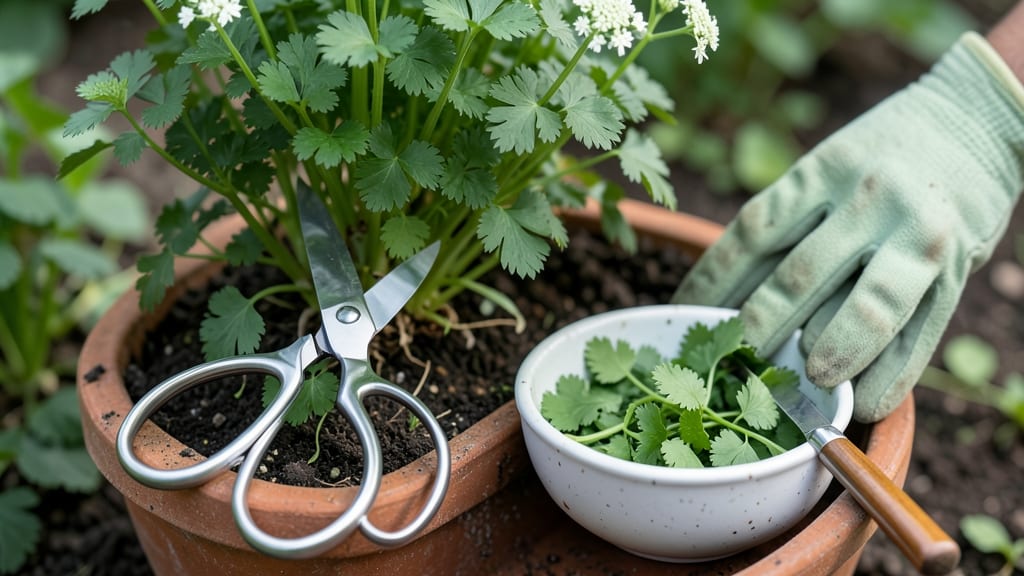
To harvest cilantro 🌿 at its peak flavor, you’ll want to trim leaves when they’re 3 to 6 inches tall—before the plant bolts and turns bitter.
Picture this: you’ve nurtured your cilantro for weeks, only to watch it shoot up flower stalks overnight, ruining the tender leaves you were counting on. That’s why timing is everything—harvesting at the right stage keeps your plants productive and your dishes bursting with fresh flavor.
This guide breaks down the best time to harvest, the proper cutting techniques to avoid damage, and how to encourage regrowth so you can enjoy a steady supply of cilantro all season long.
Whether you’re a beginner or a seasoned gardener, these simple steps will help you maximize your harvest while keeping your cilantro thriving for weeks to come.


When to harvest cilantro for maximum flavor and growth
Timing your cilantro harvest is everything—cut too early, and you miss flavorful leaves; wait too long, and you risk bitter bolting and seedpods. The key lies in watching for ideal leaf maturity while keeping plants healthy for regrowth.
I’ve learned that harvesting at the right stage ensures a steady supply of fresh, vibrant cilantro without sacrificing future growth.
Cilantro thrives when harvested at 3-6 inches tall, with leaves bright green and tender. This window typically falls between 30-45 days after planting, depending on your climate. In my experience, early morning harvests yield the freshest leaves, as evening dew can make stems slippery and harder to cut cleanly.
- 1 Height Check: Harvest when leaves reach 3-6 inches—this ensures full flavor without letting stems toughen.
- 2 Leaf Color: Bright green leaves signal peak flavor; avoid harvesting if leaves turn yellow or pale.
- 3 Stem Test: Gently pinch stems—if they’re tender and not woody, it’s harvest time.
- 4 Bolt Prevention: Stop harvesting if you spot flower buds—this means the plant is bolting and flavor will turn bitter.
- 5 Seasonal Adjustments: In hot climates, cilantro bolts faster—harvest more aggressively to extend the growing season.
Seasonal timing plays a huge role in cilantro’s growth cycle. In cooler climates like USDA Zone 6a, I harvest cilantro from late spring to early fall, aligning with its natural growth rhythm.
For example, planting in March-April yields harvests by May-June, while a second planting in August-September gives a fall harvest. This two-planting strategy ensures fresh cilantro year-round.
One common mistake I see is waiting until cilantro bolts to harvest. By then, the leaves are bitter and tough, and the plant shifts energy to seed production.
Instead, I prioritize regular, light harvesting—removing just the outer leaves—so the plant keeps producing new growth. This method works especially well for container-grown cilantro, where space is limited.
If you’re growing cilantro in containers or pots, harvest even more frequently since roots have less room to recover. I’ve found that cilantro in 6-inch pots bolts faster than in-ground plants, so I harvest every 7-10 days to encourage bushier growth.
Always leave at least 2-3 inches of stem to support regrowth.
For maximum flavor, avoid harvesting cilantro after it’s been exposed to direct afternoon sun or extreme heat. Heat stress accelerates bolting, turning your once-flavorful herb into a bitter disappointment. If your cilantro starts flowering, it’s too late to save the current harvest—focus on saving seeds or replanting for next season.
Pro tip: Store harvested cilantro in the crisper drawer of your fridge, wrapped in a damp paper towel. This keeps leaves fresh for up to 10 days while preserving their bright green color and zesty flavor.
For even longer storage, freeze leaves in ice cube trays with water or olive oil—perfect for soups and salsas later!
By mastering these timing cues, you’ll enjoy a continuous harvest of cilantro all season long. The key is balance: harvest enough to keep the plant productive, but not so much that it struggles to recover.
With practice, you’ll develop an eye for the perfect moment—when cilantro’s flavor peaks and its future growth remains secure.
Step-by-step cilantro harvesting techniques for fresh leaves
Now that you know the perfect timing for harvesting cilantro, let’s focus on the actual cutting techniques that will keep your plants healthy and productive. The right approach ensures you get fresh leaves while encouraging regrowth—no wasted effort or bitter surprises.
I’ve found that using the right tools and methods makes all the difference between a thriving herb garden and a sad, bolting disappointment.
Harvesting cilantro correctly isn’t just about snipping leaves—it’s about preserving the plant’s energy so it keeps producing. Start by gathering your tools: a sharp pair of scissors or clean pruning shears, a small bowl for leaves, and a spray bottle with water.
These simple tools help you work efficiently without damaging stems or spreading disease. Always sanitize your tools with rubbing alcohol before and after use to prevent contamination.
- Step 1: Choose the Right Leaves Select the outer leaves first—they’re mature enough to harvest while leaving the inner, younger leaves to grow. Avoid taking more than one-third of the plant at once to avoid stressing it.
- Step 2: Use Proper Cutting Technique Hold the stem firmly and cut just above a leaf node (where new leaves emerge). This encourages bushier growth. Never pull leaves—always cut to avoid tearing the plant.
- Step 3: Cut at the Right Angle Make a 45-degree angle cut to increase the surface area for water absorption. This helps the plant recover faster after harvesting. Use clean, sharp scissors to make precise cuts.
- Step 4: Harvest in the Morning Always harvest in the early morning when leaves are hydrated and firm. This ensures the freshest flavor and makes cutting easier. Avoid harvesting after rain or in the evening when stems are slippery.
- Step 5: Store Leaves Properly Place harvested leaves in a bowl of ice water for 10 minutes to crisp them up. Then, pat dry with a paper towel and store in a sealed container in the fridge for up to 10 days.
If you’re growing cilantro in containers or small pots, harvest even more carefully. Container-grown cilantro has limited root space, so over-harvesting can stunt growth. I recommend harvesting every 7-10 days and always leaving at least 2-3 inches of stem to support regrowth.
For larger garden beds, you can harvest more aggressively but still follow the same principles.
One of my biggest mistakes early on was harvesting cilantro by pulling leaves off instead of cutting. This damages the stem and can lead to rot or disease. Always cut cleanly to keep the plant healthy.
If you notice any yellowing or wilting after harvesting, it’s a sign you’re taking too much at once—scale back and let the plant recover.
For maximum freshness, use your harvested cilantro within 3-5 days if possible. The longer you store it, the more flavor fades. If you have extra leaves, freeze them in ice cube trays with water or olive oil for later use in soups and sauces.
This preserves both flavor and texture perfectly.