
How To
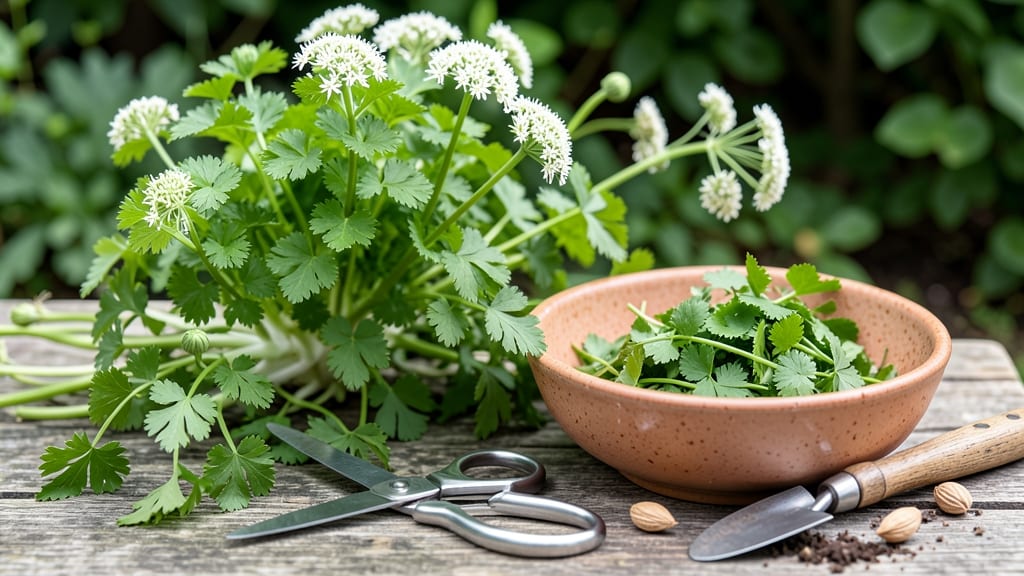
Harvesting coriander leaves at the right time and with the right technique ensures a steady supply of fresh, flavorful cilantro 🌿—without letting the plant bolt into bitter seeds.
Here’s the catch: most gardeners wait too long, and by the time they realize their coriander is flowering, the leaves are tough and the flavor is gone. But with a few simple steps—like pinching leaves just above a pair of lower ones—you can keep your plant producing for weeks.
Whether you’re growing coriander in pots or a garden bed, the key is timing: harvest when the plant is 6-12 inches tall and the leaves are vibrant green. Cut stems at an angle to encourage regrowth, and avoid pulling leaves, which can damage the plant.
In this guide, I’ll walk you through the exact steps to harvest coriander for maximum yield, how to tell when it’s time to switch to seed harvesting, and the best ways to store your harvest so it stays fresh longer.


When and how to harvest coriander leaves for maximum regrowth
Harvesting coriander leaves at the right time ensures your plant keeps producing fresh, flavorful greens for weeks. The key is to act before the plant bolts—when it sends up a flowering stalk, the leaves become bitter and growth slows.
With the right technique, you can encourage continuous regrowth and enjoy a steady supply of cilantro.
Timing is everything. Aim to harvest when your coriander plant is 6-12 inches tall and has at least 6-8 mature leaves. This usually happens 45-60 days after sowing, depending on your climate. Waiting too long means sacrificing flavor and yield, while harvesting too early can stunt the plant's growth.
Visual cues are your best guide. Look for vibrant green leaves that are 3-4 inches long and have a strong, fresh scent when crushed. If the leaves are small, sparse, or lack aroma, the plant isn’t ready yet. Ignoring these signs leads to bolting—a gardener’s worst nightmare for cilantro lovers.
Before you begin, gather your tools: a pair of sharp scissors or clean pruning shears (dull blades crush stems and invite disease). Avoid using your fingers to pinch leaves—this can damage the plant and reduce regrowth.
A small bowl or basket for collecting leaves and a spray bottle with water (for post-harvest care) are also handy.
Step-by-Step Guide to Harvesting Coriander Leaves
-
Step 1: Choose the Right Leaves
Select the outer leaves first—they’re fully mature and won’t hinder the plant’s growth. Avoid taking more than 1/3 of the plant at once to avoid stress. -
Step 2: Use the Proper Cutting Technique
Hold the stem at a 45-degree angle and cut just above a leaf node (the point where leaves grow). This encourages new growth from that spot. -
Step 3: Avoid the Flowering Stalk
If you spot a bolting stalk (a tall, thin stem), remove it immediately. Bolting signals the end of leaf production—cut it at the base to redirect the plant’s energy back to leaf growth. -
Step 4: Harvest Regularly
Repeat the process every 2-3 weeks to maintain a bushy, productive plant. Consistency is key—harvesting too infrequently leads to bolting, while over-harvesting weakens the plant. -
Step 5: Post-Harvest Care
After harvesting, water the plant deeply and apply a light fertilizer (5-10-10) to replenish nutrients. Mulch around the base to retain moisture and protect roots.
One of the biggest mistakes gardeners make is cutting stems too short or removing the central growth point. This can kill the plant or severely limit regrowth. Always leave at least 2-3 inches of stem and focus on the outer leaves to keep the plant healthy and productive.
If your coriander plant starts to bolt prematurely, don’t panic. While it’s ideal to harvest before flowering, you can still salvage the situation. Cut the flowering stalk at the base and continue harvesting leaves from the sides.
The plant may produce fewer leaves, but it won’t die—it’ll just focus on seed production instead.
For maximum yield, harvest in the morning after the dew has dried but before the heat of the day. This ensures the leaves are fresh and crisp, with the highest concentration of flavor.
Avoid harvesting in the evening, as the leaves may be more prone to wilting and disease.
With proper harvesting techniques, a single coriander plant can produce enough leaves for months of continuous use. Pair this with regular watering, fertilizing, and sunlight, and you’ll have a thriving herb garden that keeps giving.
The secret? Treat your coriander like a perennial—even though it’s an annual, it behaves like one if you care for it right.
Now that you’ve mastered the art of harvesting, your next challenge is storing those fresh leaves. Whether you’re using them immediately in recipes or preserving them for later, proper storage keeps the flavor intact. But that’s a topic for another guide—happy harvesting! 🌿
Coriander harvesting mistakes that stunt growth (and how to fix them)
Even with the perfect harvesting technique, coriander plants can still underperform if you ignore subtle but critical mistakes. The most common issue? Harvesting at the wrong time or using the wrong tools, which triggers bolting or stunted regrowth.
I’ve seen gardeners cut stems too close to the base, pull leaves instead of snipping, or neglect post-harvest care—all of which signal the plant it’s time to shut down leaf production.
Let’s tackle the top 3 mistakes that turn your thriving cilantro into a sad, leggy shadow of its former self. Each one has a simple fix, and I’ll show you how to spot them before they derail your harvest.
The key is consistency: small, regular cuts keep your plant bushy and productive, while aggressive harvesting sends it into survival mode.
⚠️ How NOT to Harvest Coriander
Mistake: Cutting stems too short or removing the central growth point. This severs the plant’s energy supply, triggering bolting or death.
Fix: Always leave 2-3 inches of stem and cut above a leaf node. Use sharp scissors at a 45-degree angle to encourage regrowth.
✅ Do: Snip outer leaves, leaving inner growth intact.
❌ Don’t: Pull leaves by hand or cut below the lowest leaves.
Another silent killer is harvesting in the heat of the day. When you snip leaves under midday sun, the plant loses moisture quickly, and the leaves wilt before you can use them.
Worse, the stress from heat + cutting can trigger bolting. Always harvest in the morning when temperatures are cool and dew has evaporated—this preserves flavor and keeps the plant healthy.
Soil and nutrient neglect is the third major culprit. Coriander plants are heavy feeders, and if you don’t replenish nutrients after each harvest, the leaves turn sparse and yellow.
After cutting, I always water deeply and apply a light fertilizer (5-10-10) to boost regrowth. Skip this step, and your plant will focus on survival instead of producing lush leaves.
Here’s a quick before/after comparison: Improper harvesting (cutting too close, pulling leaves, or ignoring care) leads to leggy, sparse growth with bitter leaves. Proper technique—regular cuts above nodes, morning harvests, and post-harvest feeding—keeps your plant bushy, vibrant, and productive for months.
Pro tip: If your coriander starts bolting prematurely, don’t panic. Cut the flowering stalk at the base and redirect energy to side shoots by pinching back new growth. With these fixes, even a struggling plant can bounce back and give you another round of fresh cilantro.
The secret? Treat every harvest like a pruning session—not a one-time cut.
Now that you’ve avoided the pitfalls, your coriander should be thriving. Next up: storing those harvests to keep the flavor fresh for weeks—whether you dry, freeze, or use them immediately in your favorite dishes. Happy growing! 🌿