
How To
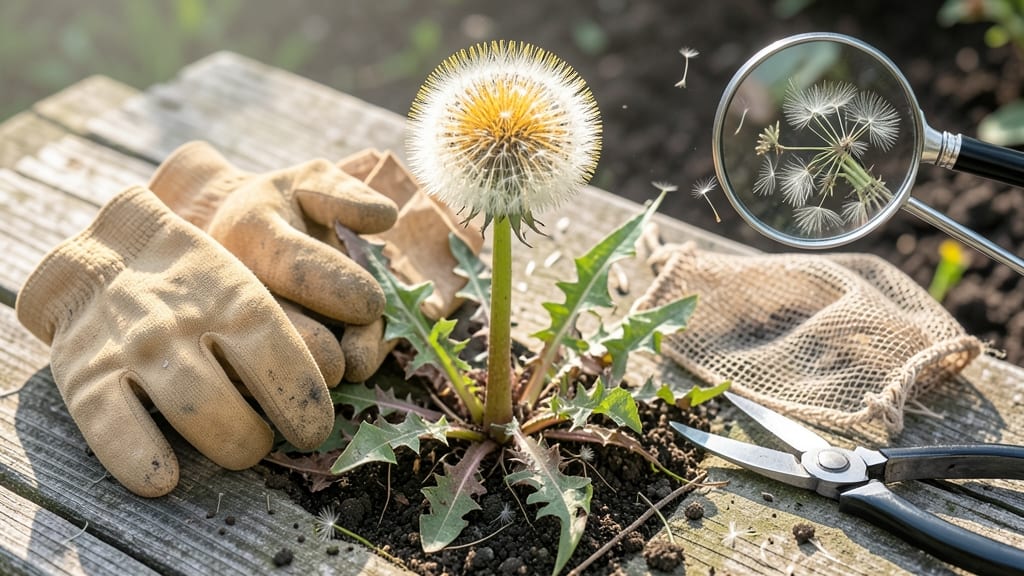
Harvesting dandelion seeds at the right time turns those golden puffballs into a resource for pollinators, natural dyes, or even a wild edible harvest.
Picture this: you’ve waited all spring, and now the 🌼 dandelions are standing tall, their seed heads ready to drift away on the wind. But if you miss the window, you’ll end up with empty hands—or worse, a yard full of unwanted sprouts.
Timing is everything, and the secret lies in knowing when those seed heads are at their peak: fully dry, fluffy, and just before they scatter. Too early, and you’ll collect nothing; too late, and the seeds will be gone.
In this guide, I’ll walk you through the exact steps to harvest dandelion seeds efficiently, from the tools you’ll need to the best storage methods—and even how to put them to use beyond the garden.


When to harvest dandelion seeds for best yield and pollinator benefits
Timing your dandelion seed harvest is everything—collect too early, and you’ll miss the peak yield; wait too long, and the seeds will scatter, wasting your effort. The best time to harvest is when the seed heads are fully mature but before the wind carries them away.
This usually happens in late spring to early summer, depending on your climate. For me, that’s typically May to June in most U.S. zones, but I always check the plant’s readiness first.
Look for dry, brown seed heads that puff up with the slightest breeze—a classic sign of maturity. The petals should have already fallen or turned brown, leaving behind a fluffy, white seed cluster.
If you harvest at this stage, you’ll maximize both your seed yield and the benefits for local pollinators, who rely on dandelions early in the season. Waiting too late means missing the window entirely, as the seeds disperse quickly.
- Stage 1: Bud Stage – Bright green buds appear (not ready; seeds aren’t formed yet).
- Stage 2: Bloom Stage – Yellow petals fully open (still not ready; seeds are developing).
- Stage 3: Seed Head Formation – Petals fall or brown, and seed heads form (ideal for harvesting).
- Stage 4: Seed Dispersal – Seed heads puff and release seeds (too late; yield is lost).
🌼 Pro Tip: Harvest on a dry, windless morning to prevent premature seed release.
Weather plays a critical role in seed maturity timing. After a few dry, sunny days, dandelion seed heads dry out faster, signaling it’s time to harvest. I’ve learned to avoid harvesting after rain, as moisture can delay drying and reduce seed quality.
If you’re in a humid climate, seed heads may take longer to mature—patience is key. Always check the seed heads for dryness by gently touching them; if they crumble easily, they’re ready.
Harvesting too early means collecting underdeveloped seeds that won’t germinate well, while harvesting too late means the seeds have already spread, reducing your yield. For pollinator benefits, leaving some seed heads unharvested ensures bees and butterflies have access to nectar and seeds.
I typically harvest only 50-70% of the seed heads in my garden to balance my needs with wildlife support. This approach also prevents dandelions from becoming invasive in unwanted areas.
Recognizing peak seed maturity is easier than you think. The seed head should be lightweight and dry, turning from green to brown. When you shake it gently, seeds should easily detach and float away.
If the seed head is still green or heavy, it’s not ready—wait a few more days. I’ve made the mistake of harvesting too early, only to find the seeds were still damp and unusable. Always prioritize dryness over urgency.
Harvesting at the right time also preserves seed viability for future planting. Dandelion seeds can stay dormant for years, but freshly harvested seeds have the highest germination rates. Store them in a cool, dry place in a paper bag or envelope to maintain quality.
If you’re harvesting for pollinator gardens, collect seeds from organic, pesticide-free plants to ensure the seeds are safe for wildlife and future gardens.
One of my favorite pollinator-friendly strategies is to leave a few dandelion patches unharvested each year. These patches provide early-season food for bees and other insects, especially in early spring when few other flowers are blooming.
By timing my harvest carefully, I can still collect seeds for my garden while supporting local ecosystems. It’s a win-win for both my yield and the environment.
If you’re harvesting dandelion seeds for culinary or crafting purposes, timing matters just as much. For example, dandelion greens are best harvested young, while seeds are ideal for teas or natural dyes when fully mature.
I’ve used dried dandelion seeds to make golden-yellow fabric dyes and even as a coffee substitute. Always harvest seeds at the right stage to ensure they meet your specific needs.
Finally, remember that dandelions are resilient, and even if you miss the perfect harvest window, new plants will pop up next year. But with the right timing, you’ll enjoy a bountiful seed yield while keeping your garden—and local pollinators—thriving.
Start observing your dandelion patches now, and you’ll be ready to harvest like a pro by late spring. Happy harvesting! 🌱
Step-by-step guide to harvesting dandelion seeds without damaging plants
Harvesting dandelion seeds efficiently means preserving the plant’s root system for future growth while collecting the maximum number of seeds. The key is to work gently but decisively—dandelions are resilient, but rough handling can stress the plant or scatter seeds prematurely.
I’ve found that early morning harvests yield the best results, as the seed heads are dry and less likely to release seeds accidentally.
Before you begin, gather your tools: a pair of sharp pruning shears or scissors, paper bags or breathable fabric sacks, and a small container for storing seeds temporarily. Avoid plastic bags—they trap moisture and can cause mold.
If you’re harvesting in a pollinator-friendly area, time your collection for after bees and butterflies have finished feeding for the day to minimize disruption.
How to Harvest Dandelion Seeds
- 1. Identify mature seed heads: Look for dry, brownish seed heads where the petals have fallen or turned brown. Gently shake one to check if seeds release easily.
- 2. Cut stems cleanly: Use pruning shears to snip the stem about 2 inches below the seed head. Avoid pulling—this can uproot the plant.
- 3. Collect seeds: Place cut seed heads in a paper bag or breathable sack. Label the bag with the harvest date to track freshness.
- 4. Dry seeds indoors: Lay seed heads on a clean, dry surface (like newspaper) in a well-ventilated area for 3–5 days. Avoid direct sunlight to prevent overheating.
- 5. Shake out seeds: Once fully dry, gently shake the seed heads over a clean container or directly into your storage bag. Discard empty seed heads.
- 6. Store seeds properly: Keep seeds in a cool, dark place (like a sealed jar in the fridge) for up to 1 year for optimal viability.
If you’re harvesting in a large area, consider using a seed collection bag attached to your waist or a bucket with a fine mesh screen to catch seeds as you go.
This method is faster but requires more coordination. Always leave some seed heads on the plant to support local pollinators—they rely on dandelions early in the season.
To prevent accidental seed spread, avoid harvesting near windy conditions or when the ground is damp. Wet soil can cling to seeds and transport them elsewhere. If you notice aphids or other pests on the plants, rinse the seed heads gently with water before drying to avoid contaminating your harvest.
Once your seeds are stored, you’ll have a versatile resource for replanting, crafts, or even natural remedies. Just remember: a little patience and precision go a long way in preserving both your harvest and the health of your garden ecosystem. Happy harvesting! 🌼✂️