
How To
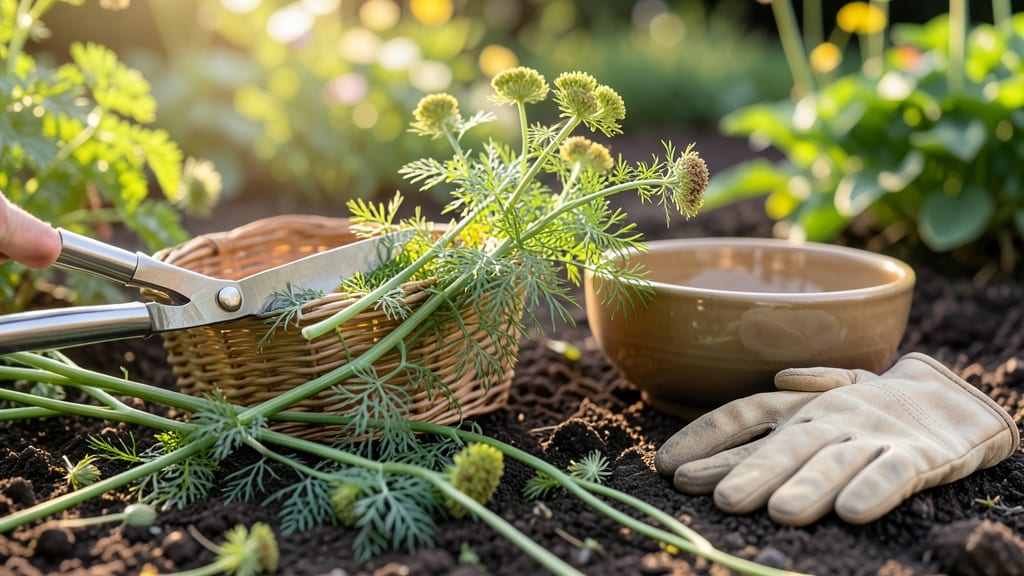
Harvesting dill weed at the right time ensures you capture its brightest, most aromatic flavor before it bolts or turns bitter.
Fresh dill isn’t just a garnish—it’s the secret ingredient that elevates soups, salads, and pickles from good to unforgettable. But timing is everything: too early and the leaves lack depth, too late and you’re left with tough stems and seeds.
This step-by-step guide covers the best time to harvest—right before flowering—plus the right tools and techniques to preserve your plant’s health and productivity for future harvests.
From cutting methods to storage tips, you’ll learn how to keep your dill thriving so you can enjoy its vibrant flavor all season long.


Best time to harvest dill for maximum flavor and freshness
Timing your dill harvest is everything—cut too early, and you miss out on bold flavor; wait too long, and the plant bolts, turning bitter. The ideal harvest window for dill leaves is when the plant reaches 12–18 inches tall but before flower buds form.
This usually happens 60–75 days after sowing, depending on your climate.
For dill stems and seed heads, wait until the plant flowers but before seeds fully mature. This ensures maximum flavor in your pickles or homemade dill seed spice blends. Late summer to early fall is prime time for seed harvesting in most USDA Zones 6a–9b.
Watch for these key signs of peak freshness: leaves should be large, feathery, and aromatic when crushed, with upright, firm stems. If leaves taste bitter or stems become woody, you’ve missed the window—time to harvest or let it go to seed.
How to Harvest Dill Weed at Peak Flavor
- 1. Harvest leaves when plants reach 12–18 inches and leaves are fully developed but no flowers.
- 2. Use sharp scissors or pruners to cut outer stems just above a leaf node to encourage regrowth.
- 3. Avoid harvesting more than 1/3 of the plant at once to prevent stress or bolting.
- 4. Harvest seeds when flower clusters turn brown but before seeds scatter—shake pods over paper.
- 5. Store harvested dill in the fridge for 5–7 days or dry for long-term use.
Pro Tip: Harvest in the morning after dew dries for the freshest flavor.
Climate plays a huge role in timing. In cooler zones (6a–7a), dill matures faster, so harvest leaves by late July and seeds by early September. In warmer zones (8b–10a), extend harvesting until October—just stay ahead of early frost.
If your dill starts bolting prematurely (shooting up tall stems), it’s past its prime. Bolting triggers bitterness and woody stems, ruining flavor. To delay bolting, plant in partial shade during hot summers or harvest aggressively to encourage bushier growth.
For container-grown dill, harvest even more frequently—every 2–3 weeks—since pots limit root space. This keeps plants compact and flavorful longer. Just ensure containers have drainage holes to prevent root rot.
Never harvest dill leaves after flowering if you want peak flavor. Once flowers appear, the plant shifts energy to seeds, making leaves less aromatic. Save seed harvesting for later—those brown, papery pods are perfect for spice blends.
To maximize your harvest, space plants 12–18 inches apart at planting. Crowded dill competes for nutrients, leading to smaller leaves and slower growth. Thin seedlings early to avoid this common mistake.
Store harvested dill properly to preserve its punch. Refrigerate stems in a jar with 1 inch of water (like flowers) for up to 1 week. For long-term use, dry leaves in bundles or freeze chopped leaves in ice cube trays for easy cooking use.
Step-by-step guide to harvesting dill without damaging the plant
Harvesting dill correctly keeps your plant healthy and productive for weeks of flavorful harvests. The key is using the right cutting techniques and tools to avoid stressing the plant while encouraging bushier regrowth.
Unlike many herbs, dill responds well to regular harvesting—just follow these proven steps to maximize your yield without sacrificing plant health.
Many gardeners make the mistake of pulling leaves by hand, which can damage stems and encourage bolting. Instead, we’ll focus on precise pruning methods that stimulate new growth while preserving the plant’s structure.
Whether you’re harvesting for fresh cooking or drying, these techniques ensure your dill stays vibrant and productive all season.
How to Harvest Dill Without Damaging the Plant
- Gather the right tools: Use sharp pruning shears or clean kitchen scissors. Avoid dull tools that crush stems.
- Choose outer stems first: Select the largest, healthiest stems on the plant’s outer edges to avoid overcrowding the center.
- Cut at a 45-degree angle: Make your cut just above a leaf node (where leaves grow) to encourage new shoots to sprout from that point.
- Never take more than 1/3: Remove no more than 33% of the plant at once to prevent shock and ensure continued growth.
- Harvest in the morning: Pick dill after dew dries (around 8–10 AM) for the brightest flavor and crispest texture.
- Encourage bushiness: After harvesting, water deeply and add a light fertilizer to promote regrowth within 2–3 weeks.
Pro Tip: For container-grown dill, harvest every 2 weeks to prevent leggy growth caused by limited root space.
One common mistake is harvesting too aggressively from the center of the plant. This can create bare spots that never recover, leaving your dill looking sparse.
Instead, focus on the outer stems and work your way inward over time. This method mimics natural pruning and keeps your dill looking full and lush.
If you notice your dill starting to bolt prematurely (sending up tall flower stems), it’s a sign you’ve waited too long to harvest. To prevent this, make a habit of checking your plants weekly and harvesting when stems reach 12–18 inches.
Bolting dill loses its aromatic quality, so early and frequent harvesting is your best defense.
For seed harvesting, wait until the flower clusters turn brown and papery but before seeds scatter. Gently shake the seed heads over a paper bag to collect seeds for next year’s planting.
Store seeds in a cool, dry place for up to 2 years. This method ensures you capture the best-quality seeds while leaving the plant intact for future harvests.
After harvesting, always rinse stems briefly under cool water to remove dirt, then pat dry with a paper towel. Store harvested dill in the fridge for up to 1 week or dry bundles upside-down in a dark, well-ventilated area for long-term use.
Proper post-harvest care extends the life of your dill and keeps it tasting fresh.