
How To
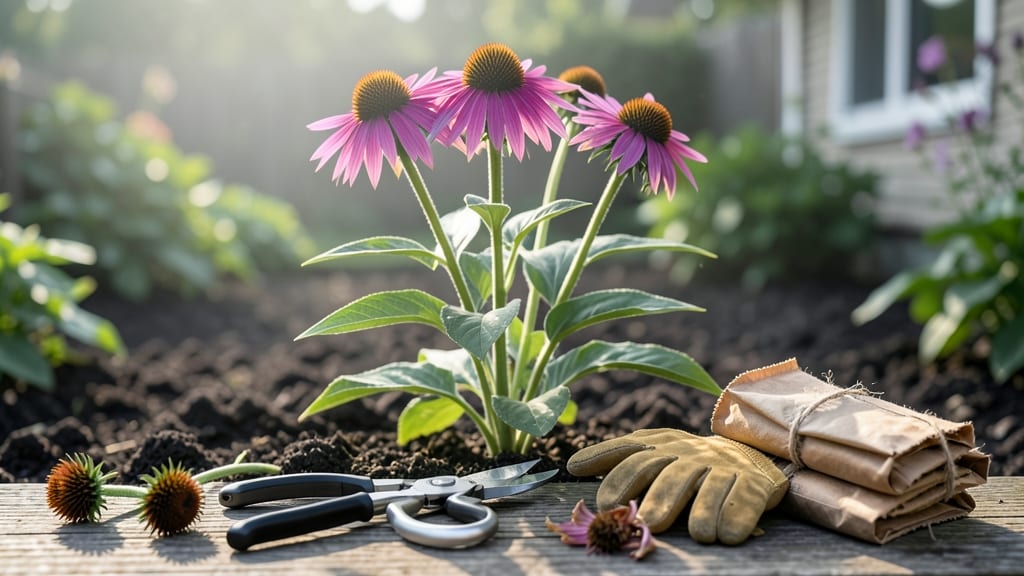
To harvest echinacea at its peak—when the blooms are fully open but before they wilt—is the secret to preserving their medicinal power and beauty for teas, crafts, or replanting.
Picture this: your 🌼 echinacea stands tall in late summer, its petals unfurling in vibrant hues of purple or pink, but you hesitate—will cutting them now ruin the plant? Or worse, waste the harvest?
The truth is, timing is everything, and a few days too early or late can mean the difference between a potent remedy and a floppy, useless stem.
You’re not just harvesting flowers here—you’re capturing the plant’s immune-boosting compounds at their strongest. Whether you’re drying them for herbal tea, saving seeds for next year, or crafting dried arrangements, knowing the exact moment to snip ensures you get the most from your garden’s hard work.
In this guide, I’ll walk you through the step-by-step process—from spotting the perfect bloom to drying, storing, and even replanting—so you never miss another harvest again.


When to harvest echinacea: identifying the best time for blooms and seed heads
Timing your echinacea harvest correctly ensures you capture the plant’s peak medicinal potency and seed viability. The best window spans late summer to early fall, typically between August and October in most USDA zones.
This period aligns with when flower petals fade and seed heads mature, signaling optimal harvest readiness.
For fresh flower harvests, aim to cut stems when petals fully unfurl but before they droop or brown. This usually occurs 3-4 weeks after blooming, depending on your climate.
In cooler regions (zones 3-5), harvest may shift slightly earlier, while warmer zones (6-9) can extend into late fall.
Weather plays a crucial role—avoid harvesting after heavy rain or frost threats, as moisture can dilute essential oils and damage seed heads. A clear, dry morning is ideal for cutting, allowing dew to evaporate before handling delicate blooms.
Seed heads are ready when they form a tight, cone-like shape and turn from green to tan or brown. Gently squeeze a seed head—if it crumbles easily, it’s past its prime. For medicinal use, harvest when seeds are fully dry but before they scatter naturally.
| Harvest Stage | Visual Cues | Best Time | Purpose |
|---|---|---|---|
| Fresh Blooms | Petals fully open, vibrant color, firm stems | Late morning, dry conditions | Bouquets, fresh arrangements |
| Drying Flowers | Petals slightly wilted, stems still upright | Early fall, before frost | Teas, tinctures, crafts |
| Seed Heads | Cone-shaped, tan/brown, crunchy texture | Late summer to early fall | Seed saving, medicinal extracts |
| Avoid Harvesting | Wilted petals, soft stems, mold | Never | Loss of potency, poor storage |
Mature plants (those in their second year or older) produce more robust blooms and seed heads, making them ideal candidates for harvest. If you’re growing echinacea for medicinal use, prioritize purple or white varieties, as they contain the highest concentrations of alkamides and polyphenols.
Pink varieties are still beneficial but slightly lower in active compounds.
Pay attention to your plant’s growth cycle. If you notice new buds forming while harvesting, leave some stems intact to ensure continuous blooms. Over-harvesting can weaken the plant, reducing next year’s yield.
A good rule of thumb: never remove more than 1/3 of the blooms from a single plant in one season.
For seed-saving purposes, allow some seed heads to remain on the plant until they fully brown and dry. Once they’re ready, gently twist or cut the stems to collect seeds.
Store them in a cool, dry place until spring planting. This method preserves genetic diversity and ensures healthy offspring for your garden.
If you’re unsure about timing, observe your echinacea’s natural progression. Start harvesting when 20-30% of petals fade—this gives you a buffer to adjust based on weather. In humid climates, drying may take longer, so plan accordingly to avoid spoilage.
Remember, patience is key when harvesting echinacea. Rushing the process can compromise the quality of your harvest, whether you’re saving seeds or preparing medicinal remedies. With the right timing, you’ll enjoy a bountiful yield for years to come.
Step-by-step harvesting techniques for echinacea flowers and seeds
Harvesting echinacea at the right stage ensures you capture its medicinal potency and seed viability. The key is patience—wait until the flower petals start to droop naturally, but before they fall completely. This late summer to early fall window (August–October) is your best bet for a successful harvest.
For flowers, aim to cut when they’re fully open but still vibrant, while seed heads should be left on the plant until they turn brown and papery.
Using the wrong technique can damage the plant or reduce the quality of your dried materials. Let’s break it down into simple, foolproof steps.
How to Harvest Echinacea
-
Step 1: Gather Your Tools
- ✂️ Clean pruners or sharp scissors
- 📋 Paper bags or brown paper for drying
- 🧼 Rubbing alcohol (to sterilize tools)
-
Step 2: Cut Flowers at the Right Stage
- 🌸 Harvest fully open blooms with vibrant petals
- 🌿 Cut 3–4 inches below the flower head for a clean stem
- 🌪️ Avoid rain-soaked blooms (they dry poorly)
-
Step 3: Collect Seed Heads
- 🌾 Wait until seed heads turn brown and papery
- 🪴 Gently twist or cut the entire seed head (don’t strip seeds)
- 🌱 Place in paper bags to prevent seed loss
-
Step 4: Dry Flowers and Seeds
- 🌿 Air-dry: Hang upside-down in a dark, dry spot (2–3 weeks)
- 🔥 Dehydrator: Set to 95°F (35°C) for 2–4 hours
- ⚠️ Avoid humidity—mold ruins the harvest!
-
Step 5: Store Properly
- 📦 Use airtight containers (glass jars with lids)
- 🌡️ Keep in a cool, dark place (lasts 1–2 years)
- 🌱 Label by harvest date and type (flowers/seeds)
One common mistake is harvesting too early, which weakens the plant and reduces potency. If you’re unsure, check the stem firmness—it should snap cleanly, not bend. For seed heads, resist the urge to pick them too soon; immature seeds won’t germinate well.
After drying, your echinacea flowers and seeds are ready for medicinal teas, homemade tinctures, or even replanting. Store them properly, and you’ll have a year-round supply of this immune-boosting powerhouse. Happy harvesting!