
How To
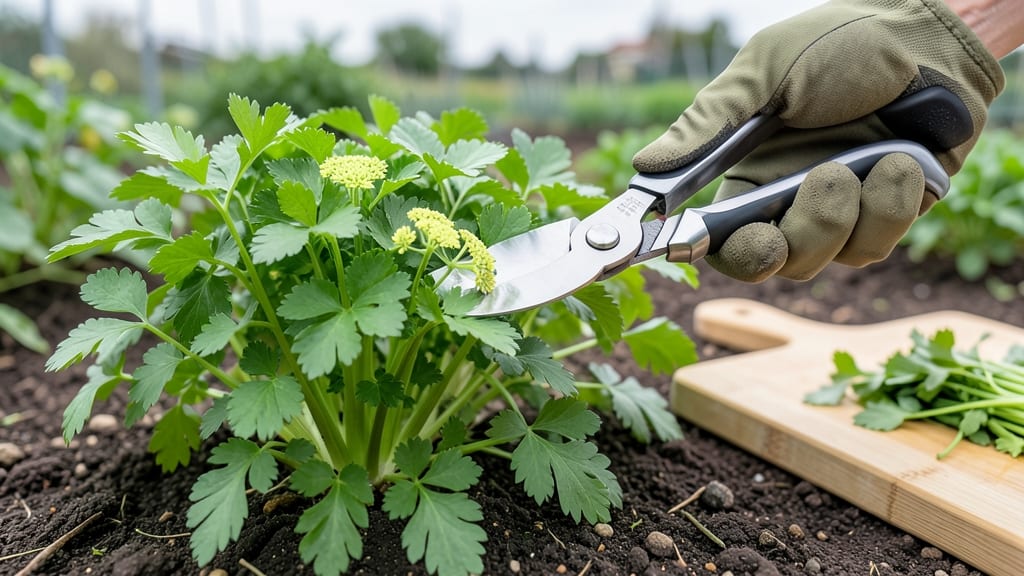
Harvesting flat leaf parsley 🌿 the right way turns a single plant into a year-round herb supply—no replanting required.
Picture this: you snip a handful of leaves in June, and by August, your parsley is back thicker than ever. The secret isn’t luck—it’s timing, technique, and a little patience.
Beginners often overcut or harvest too early, but with the right approach, you’ll avoid stunted growth and enjoy fresh parsley for months.
In this guide, I’ll walk you through the exact snip-and-regrow method, including when to harvest (leaf size matters!), which tools to use, and how often to cut without harming your plant. You’ll also learn how to store your harvest and use it in cooking—because nothing beats homegrown flavor.
Ready to transform your kitchen garden? Let’s dive into the step-by-step technique that keeps your parsley thriving while giving you a steady supply of vibrant, flavorful leaves.


When and how to harvest flat leaf parsley for maximum regrowth
Timing your harvest correctly is the secret to keeping your flat leaf parsley thriving for months. Unlike many herbs, parsley actually regrows vigorously when harvested properly, making it one of the most generous kitchen garden plants.
The key lies in understanding when leaves are mature enough to pick while leaving enough foliage to fuel new growth.
For optimal regrowth, wait until individual leaves reach 4-6 inches long and have fully developed their dark green color. Younger leaves are tastier but won't regrow as reliably.
I always check for firm stems—if they bend slightly but don't snap, that's your cue the plant's ready for its first harvest.
Seasonal adjustments are crucial too. In spring and fall, when growth is slower, harvest only the outer leaves to avoid stressing the plant.
During summer's peak growth, you can be more aggressive with 1/3 of the plant at a time, but never take more than that in one session.
| Harvest Stage | Leaf Characteristics | Cutting Technique | Regrowth Time |
|---|---|---|---|
| First Harvest | 4-6" leaves, dark green | Snip outer leaves only | 2-3 weeks |
| Subsequent Harvests | 6+ inches, firm stems | Cut 1/3 of plant, leave center | 3-4 weeks |
| Late Season | Smaller leaves, slower growth | Harvest individual stems only | 4-6 weeks |
| Winter Harvest | Tender new growth only | Pinch back dead growth | 6-8 weeks |
The cutting technique makes all the difference between a plant that bounces back and one that struggles. Always use clean, sharp scissors or pruners to make cuts just above a leaf node where new growth emerges.
Never rip leaves by hand—this tears stems and invites disease. I like to angle my cuts slightly downward to prevent water from pooling on the stem.
Your parsley's age affects harvest frequency too. Young plants (under 60 days) should only have outer leaves trimmed to encourage bushier growth. Mature plants (90+ days) can handle more aggressive harvesting, but I never take more than one-third of the plant at once.
This balance keeps your parsley productive for years instead of just one season.
Seasonal adjustments prevent shock during temperature swings. In hot summer months, harvest in the early morning when leaves are hydrated. In cool fall weather, wait until leaves have fully hardened off before cutting.
I've found that mulching around the base helps maintain even soil temperatures, which keeps regrowth consistent.
Avoid harvesting when your parsley shows signs of stress like yellowing leaves or woody stems. These indicate the plant is struggling to recover from previous cuts. If you see brown leaf edges, it's time to pause harvesting and focus on watering and fertilizing instead.
I always keep a fertilizer blend (5-10-10) handy for post-harvest recovery.
For continuous supply, I harvest my parsley every 3-4 weeks during peak growing season. This schedule keeps the plant producing new growth while preventing it from becoming overcrowded or leggy.
In container gardens, I reduce the frequency to every 4-6 weeks since roots have less space to recover.
Proper storage after harvest extends your parsley's life too. I always trim stems to 1-2 inches and place them in a jar of water on the counter. This keeps them fresh for up to 2 weeks while they continue growing slightly.
For long-term storage, I freeze chopped leaves in ice cube trays—perfect for winter soups and stews.
Step-by-step snip-and-regrow technique for continuous parsley supply
Mastering the snip-and-regrow method for flat leaf parsley 🌿 ensures you’ll never run out of fresh herbs while keeping your plant healthy and productive. The key lies in precise cutting techniques, proper timing, and post-harvest care—all of which I’ve perfected over years of gardening.
This approach works for both container-grown parsley and in-ground plants, making it perfect for beginners and seasoned gardeners alike.
Before you begin, gather your tools: a pair of sharp scissors or pruning shears (cleaned with rubbing alcohol), a small bowl for clippings, and a spray bottle with water for post-harvest hydration.
The right tools prevent damage to stems and ensure clean cuts that heal quickly. I always keep a dedicated pair of scissors just for herbs to avoid cross-contamination with other plants.
How to Harvest Flat Leaf Parsley for Regrowth
- Step 1: Wait until your parsley reaches 4-6 inches in height and has 5-6 mature leaves. Harvesting too early stunts growth.
- Step 2: Use sharp scissors to cut outer leaves at a 45-degree angle, leaving the inner growth intact. Avoid cutting into woody stems.
- Step 3: Never remove more than 1/3 of the plant in a single harvest. This ensures the plant has enough energy to regrow.
- Step 4: After harvesting, water the base thoroughly to help the plant recover. I use a spray bottle to mist the remaining leaves for extra hydration.
- Step 5: Apply a balanced fertilizer (5-10-10) every 4-6 weeks during the growing season to encourage robust regrowth.
- Step 6: Harvest every 3-4 weeks during the growing season (spring to fall). Reduce frequency in winter to avoid stressing the plant.
Post-harvest care is just as important as the cutting technique itself. After each harvest, I always inspect the plant for signs of stress, like yellowing leaves or wilting stems.
If you notice these, reduce your harvest frequency and increase watering. A healthy parsley plant will bounce back within a week if given proper care.
For continuous supply, I recommend planting new parsley every 3-4 months to stagger your harvests. This way, you’ll always have fresh leaves ready to pick, even if one plant needs a break.
In my garden, I’ve had parsley plants produce for 2-3 years using this method, proving it’s a sustainable way to enjoy homegrown herbs year-round.
Pro tip: Store harvested parsley in a glass jar with an inch of water in the fridge to keep it fresh for up to 2 weeks. This mimics the plant’s natural hydration and extends shelf life—perfect for when you’ve harvested more than you can use immediately.