
How To
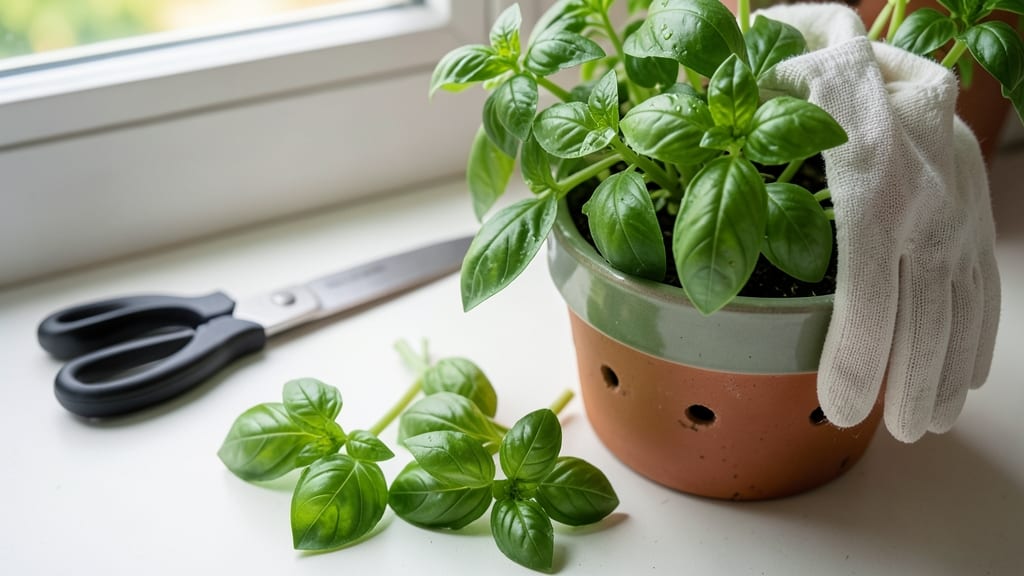
Harvesting fresh basil the right way means you’ll get nonstop growth and a plant that keeps producing flavorful leaves all season.
Picture this: you pinch a few leaves, and instead of slowing down, your basil explodes with new growth—thicker stems, more leaves, and a scent that makes your kitchen smell like summer. That’s the magic of proper harvesting, and it’s easier than you think.
Most gardeners make one big mistake when harvesting basil: they cut too much, too soon, or in the wrong places. That’s how you end up with a leggy, flower-filled plant that barely tastes like anything.
I’ll show you the exact technique to avoid that, so your basil stays lush and productive.
You’ll learn when to start harvesting, how to prune for bushier growth, and the best ways to store your fresh picks—whether you want to keep them crisp in the fridge or dry them for later. Let’s get your basil thriving!


The right way to pinch basil leaves for maximum growth
Pinching basil leaves isn’t just about harvesting—it’s the key to a bushier, more productive plant. When done right, this simple technique encourages new growth and prevents leggy stems. The secret lies in timing and technique, both of which I’ll break down for you.
Start harvesting when your basil reaches 6-8 inches tall, but never take more than one-third of the plant at once.
Most gardeners make the mistake of snipping the top leaves only, which leads to weak stems. Instead, focus on the outer leaves or use the pinch method—removing entire stems just above a leaf node.
This encourages the plant to branch out and grow fuller. The right technique ensures your basil stays compact and flavorful all season long.
Here’s how to do it perfectly, step by step:
Choose the Right Leaves
Select larger outer leaves or entire stems with 3-4 leaf pairs. Avoid the smallest inner leaves—they’re still growing.
Use Clean, Sharp Scissors
Never tear leaves—use sterilized pruning shears or clean scissors. Cut at a 45-degree angle just above a leaf node (where leaves meet the stem).
Pinch, Don’t Snip
For bushier growth, pinch off the top set of leaves just above a pair of leaves. This forces the plant to branch out instead of growing tall.
Harvest in the Morning
Always harvest early in the day when essential oils are most concentrated. This ensures the best flavor and prevents wilting.
Avoid Flowering Stems
If you see flower buds, remove them immediately. Flowers signal the end of the plant’s productive cycle, causing leaves to taste bitter.
One of the biggest mistakes I see is harvesting too much at once. Basil is resilient, but removing more than one-third of the plant can shock it. Instead, make small, frequent harvests every 2-3 weeks. This keeps your basil lush and productive without stressing the plant.
Pay attention to the leaf nodes—these are the spots where new branches will grow. When you cut just above a leaf node, you’re telling the plant, “Grow here instead!” This simple trick can double your basil yield in a season.
For example, if you pinch a stem above the third leaf pair, you’ll soon see two new branches sprout from that node.
After harvesting, rinse the leaves under cool water to remove dirt and pat them dry with a paper towel. Store them in the fridge wrapped in a damp paper towel inside a plastic bag.
This keeps them fresh for up to 5-7 days. For long-term storage, try freezing or drying the leaves—both methods preserve flavor perfectly.
If your basil starts looking leggy or sparse, it’s a sign you’ve been harvesting incorrectly. Leggy stems mean you’ve been cutting too high or not pinching enough. To fix this, prune back the tallest stems by one-third and focus on encouraging side growth.
With the right technique, your basil will stay compact, flavorful, and productive all season.
Remember, the goal is continuous growth, not just a single harvest. By following these steps, you’ll have a bushy, thriving basil plant that keeps giving you fresh leaves all summer long. Happy pinching! 🌿✂️💚
Common harvesting mistakes that kill your basil plant
Your basil plant might look healthy, but if you're harvesting wrong, you're actually sabotaging its growth. Many gardeners unknowingly make critical mistakes that lead to stunted plants, woody stems, or even death.
The key is understanding what your plant needs at each stage—especially when it comes to timing and technique.
One of the biggest culprits is over-trimming too early in the season. Basil plants need time to establish a strong root system before you start harvesting aggressively.
When you remove too many leaves at once, the plant struggles to recover, leading to leggy growth or even flower production—both of which signal the end of your harvest season.
Another common mistake is harvesting the wrong leaves. Always target the larger, outer leaves first. These are mature and ready for harvest, while the smaller, inner leaves are still growing.
If you start plucking from the center, you're stripping the plant of its energy source and leaving it vulnerable to pests and disease.
🚨 WARNING: These Mistakes Are Killing Your Basil 🚨
Harvesting more than 1/3 of the plant at once stresses young basil. Corrective action: Wait until your plant has 6+ true leaves before harvesting. Trim only 2-3 outer leaves per session.
Letting basil flower reduces flavor and productivity. Corrective action: Pinch off buds as soon as they appear. This redirects energy to leaf production.
Morning harvests yield the most flavorful leaves. Avoid cutting in the afternoon heat, which causes wilting. Corrective action: Harvest in the early morning when leaves are hydrated.
Dull or contaminated scissors spread bacterial diseases. Corrective action: Sterilize tools with rubbing alcohol before each use. Use clean, sharp scissors to make precise cuts.
Seasonal timing is another area where gardeners trip up. Basil thrives in warm weather, but if you harvest too late in the season, the plant may struggle to recover before the first frost.
In Zone 6a, aim to finish major harvests by mid-September to give your basil time to regenerate before cold sets in.
If you've already made one of these mistakes, don't panic. Basil is resilient! Prune back any leggy stems to encourage bushier growth, and focus on consistent watering and full sun exposure to help it recover.
With the right care, your plant can bounce back and give you another round of harvests before winter.
Remember, the goal is to encourage regrowth, not exhaust your plant. By avoiding these common mistakes, you'll enjoy a bushy, flavorful basil plant that keeps producing all season long. Happy harvesting! 🌿