
How To
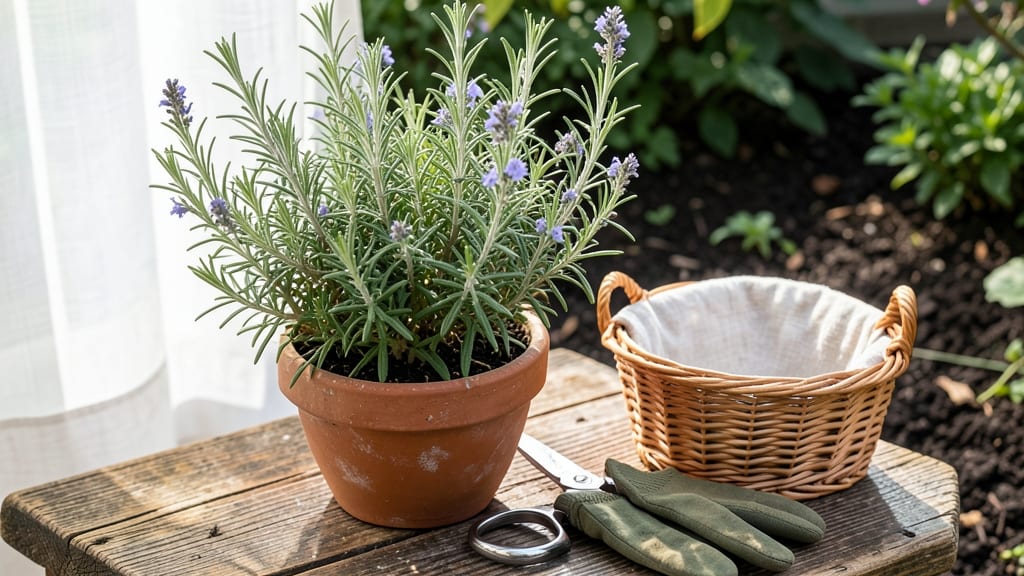
Harvesting fresh rosemary from your plant the right way means snipping just enough to keep it thriving—and packed with flavor—without turning it into a woody stump.
Picture this: You’ve waited months for your 🌿 rosemary to mature, only to cut too aggressively and watch it struggle to bounce back. The key isn’t just when you harvest but how—and most gardeners get this part wrong.
In this guide, I’ll walk you through the best times to trim (hint: it’s not just when you need it for cooking), the exact cutting techniques that encourage bushier growth, and how to store your harvest so it stays fresh for weeks.
By the end, you’ll know how to keep your rosemary plant happy, productive, and ready for your next homemade marinade—without accidentally killing it in the process.


When and how to harvest rosemary for maximum flavor and plant health
Timing your rosemary harvest correctly ensures you get the most aromatic sprigs while keeping your plant healthy and bushy. The best time to harvest is during the spring and early summer, when the plant is actively growing and producing its strongest flavor compounds.
This is when your rosemary will have the brightest green needles and the most intense pine-like scent.
If you wait until late summer or fall, you might find the flavor less potent and the stems too woody for ideal use. However, in mild climates, you can harvest year-round as long as the plant remains healthy and green.
The key is to never take more than one-third of the plant in a single harvest to avoid stressing it.
Using the right harvesting tools makes all the difference. A sharp pair of pruning shears or clean scissors ensures clean cuts that heal quickly. Avoid using your hands to snap stems—this can damage the plant and leave jagged edges.
Always sterilize your tools with rubbing alcohol before and after use to prevent the spread of bacterial or fungal diseases.
Here’s a quick reference for harvesting rosemary at its peak:
| Harvest Time | Ideal Conditions | What to Cut | Plant Health Tip |
|---|---|---|---|
| Spring (March-May) | Active growth, bright green needles | New non-flowering shoots | Encourages bushier growth |
| Early Summer (June-July) | Peak flavor, woody but flexible stems | Outer stems, 4-6 inches long | Avoid cutting into old wood |
| Fall (September-October) | Mild climates only, before frost | Healthy green sprigs | Reduce harvest frequency |
| Winter (November-February) | Dormant in cold climates | Avoid harvesting | Focus on plant protection |
When harvesting, always cut just above a leaf node or set of leaves. This encourages the plant to branch out and grow denser foliage. Avoid cutting into old, woody stems—these won’t regrow and can leave ugly scars on your plant.
Instead, focus on the newer, softer growth near the tips of branches.
If your rosemary plant is looking leggy or sparse, a strategic harvest can help. Cutting back some of the longer stems forces the plant to produce new side shoots, resulting in a fuller, more compact shape.
This is especially useful if your rosemary has been growing in partial shade or hasn’t received enough sunlight.
Never harvest more than one-third of the plant at once, even if it looks abundant. Over-harvesting can stress the rosemary, weaken its growth, and even kill it if you’re not careful.
Instead, space out your harvests every 4-6 weeks during the growing season to maintain a steady supply of fresh sprigs without compromising the plant’s health.
After harvesting, store your rosemary properly to preserve its flavor and freshness. Wrap the stems loosely in damp paper towels and place them in a plastic bag in the refrigerator.
This keeps the needles hydrated and aromatic for up to 10-14 days. For long-term storage, you can also freeze the sprigs or dry them for later use.
One common mistake gardeners make is harvesting flowering stems. While rosemary flowers are beautiful, they can diminish the plant’s flavor. Always remove flower buds as soon as they appear to redirect the plant’s energy into producing more aromatic foliage.
This simple step ensures your rosemary stays flavorful and productive for years to come.
With the right timing and techniques, your rosemary will thrive and provide you with a consistent supply of fragrant sprigs all season long. Happy harvesting! 🌿
Step-by-step guide: harvesting rosemary without damaging the plant
Harvesting rosemary correctly isn’t just about grabbing a few sprigs—it’s about encouraging regrowth while preserving that bold, piney aroma you love. The right technique keeps your plant bushier and healthier, so it produces more flavorful leaves for months.
If you’ve ever pruned too much and watched your rosemary turn into a woody skeleton, this guide will fix that.
I’ve spent years growing rosemary in my garden, and the difference between a well-pruned plant and one that’s been hacked at is night and day. The secret lies in timing, tools, and technique.
Whether you’re harvesting for cooking or just keeping your plant in shape, follow these steps to avoid common mistakes that stunt growth.
How to Harvest Fresh Rosemary
- 1 Choose the right time: Harvest in spring or early summer when new growth is active. Avoid cutting in late summer or winter, as this stresses the plant.
- 2 Use clean, sharp pruners: Dull scissors crush stems, inviting disease. A bypass pruner or clean knife makes clean cuts that heal faster.
- 3 Cut just above a leaf node: Always snip 1/3 of the plant’s height from the tips of branches. This encourages bushier growth and prevents woody stems.
- 4 Avoid cutting old wood: If stems are hard and gray, they won’t regrow. Focus on green, flexible stems for the best results.
- 5 Store properly for freshness: Wrap sprigs in a damp paper towel and place in a resealable bag in the fridge. Use within 1-2 weeks for peak flavor.
One of the biggest mistakes I see is over-harvesting in one go. If you take too much at once, your rosemary won’t recover, and you’ll end up with a leggy, sparse plant. Instead, harvest little and often—this keeps the plant compact and productive all season.
For woody branches that refuse to regrow, don’t panic. Simply trim them back to green growth and focus on encouraging new shoots. With the right care, even older rosemary plants can bounce back and produce fresh sprigs for years.
Pro tip: If you’re harvesting for drying, choose fully mature sprigs with smaller leaves—they hold their flavor best when dried. Bundle them upside down in a dark, dry place for 2-3 weeks until crisp.