
How To
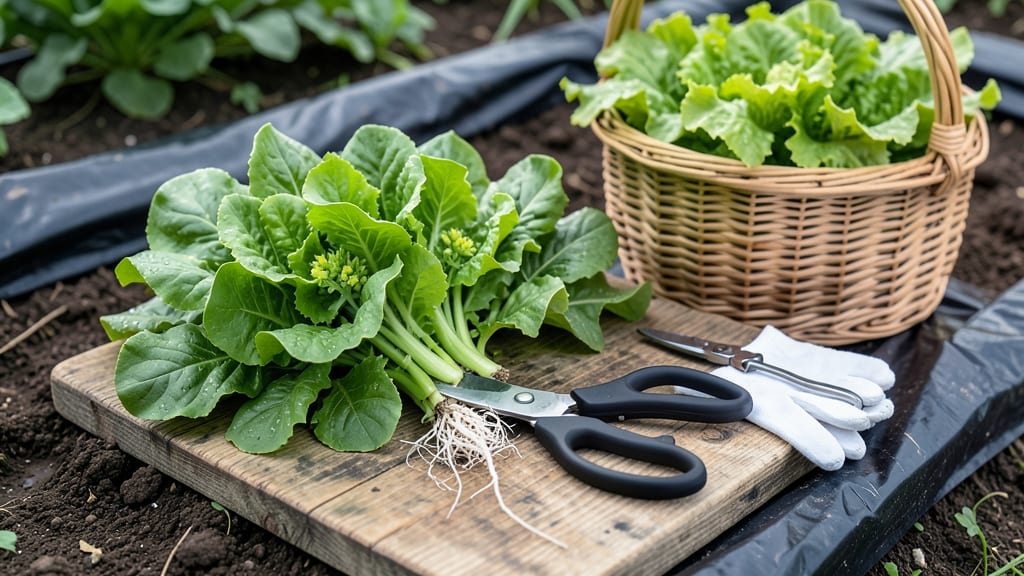
Harvesting green leaf lettuce the right way keeps your plants producing tender leaves for weeks—no more bitter, tough harvests that ruin your salad!
You’ve probably seen those 4-inch leaves in your garden and wondered, Should I pick them now or wait? The truth is, timing makes all the difference between a single harvest and a continuous supply of crisp, flavorful greens.
In this guide, I’ll show you exactly when to cut your 🥬 for maximum regrowth, what tools to use, and how to avoid common mistakes that kill your plants before they yield.
By the end, you’ll know how to harvest leaf lettuce without damaging the plant, store it properly, and even encourage a second flush of growth—so you’re never left with just a few sad leaves again.


Optimal harvesting times for green leaf lettuce to encourage regrowth
Timing your green leaf lettuce harvest correctly is the secret to enjoying fresh, tender leaves for weeks—not just days. Unlike head lettuce, leaf varieties like Buttercrunch or Oakleaf thrive when you harvest selectively, allowing the plant to regrow.
The key is watching for leaf maturity while avoiding overharvesting, which stresses the plant and triggers bolting. I’ve learned the hard way that cutting too early or too late can waste your entire crop!
For maximum regrowth, focus on harvesting outer leaves first when they reach 4-6 inches long. These leaves are fully formed, crisp, and tender—perfect for salads—while the inner leaves stay protected to keep growing. This method gives you a continuous supply without sacrificing future harvests.
Seasonal timing also plays a role; spring and fall harvests yield the sweetest, most tender leaves, while summer heat can make lettuce bolt prematurely if not managed carefully.
Here’s my summary-table breaking down the ideal harvest windows, leaf sizes, and seasonal considerations for continuous production:
| Harvest Method | Leaf Size | Days to Harvest | Seasonal Timing | Regrowth Potential |
|---|---|---|---|---|
| Leaf-by-leaf | 4-6 inches | 30-45 days | Spring (April-May), Fall (Sept-Oct) | High (80-90%) |
| Partial harvest | Outer leaves only | 45-60 days | Summer (June-Aug, with shade) | Moderate (60-70%) |
| Full harvest | Entire plant | 50-60 days | Early spring or late fall | None (plant dies back) |
| Cut-and-come-again | 2-3 inches (inner leaves) | Ongoing (every 7-10 days) | Cool seasons only | Very High (90%+) |
In spring, start harvesting as soon as leaves hit 4 inches—this is when they’re most tender. I’ve found that mornings after dew dries are the best time to harvest because leaves are crisp and less likely to wilt.
For fall harvests, aim to finish by early October in most climates to avoid frost damage. If you’re growing in summer heat, provide afternoon shade and harvest early to prevent bolting.
One mistake I see gardeners make is waiting until leaves are too large or bitter. By the time lettuce reaches 8 inches, it’s often past its prime—leaves become tough and develop a bitter taste.
Instead, prioritize regular, light harvests every 7-10 days to keep the plant producing tender greens. This approach works especially well for varieties like Romaine or Red Sails, which handle partial harvesting beautifully.
Seasonal shifts also affect harvest timing. In cool climates (USDA Zones 3-5), you can extend harvests into late fall by protecting plants with row covers or cold frames. Meanwhile, in warmer zones (6-9), focus on fall and winter harvests to avoid the heat of summer.
I’ve successfully grown lettuce year-round in Zone 7 by using shade cloth and drip irrigation to maintain soil moisture during dry spells.
For container gardening, timing is even more critical because space is limited. Harvest leaves when they’re 3-4 inches long to avoid overcrowding, and always leave at least 2-3 inner leaves to keep the plant alive.
In pots, lettuce grows faster due to warmer soil temperatures, so check leaves every 5-7 days instead of every 10. A 5-gallon container can yield 1-2 harvests per week if managed correctly!
Pro tip: Use a sharp pair of scissors or pruning shears to cut leaves at a 45-degree angle, about 1/4 inch above a leaf node. This encourages new growth from the base while minimizing damage.
Avoid tearing leaves by hand, as this can introduce disease pathogens and stress the plant. I’ve noticed that plants harvested this way regrow 20-30% faster than those pulled or snapped.
If you’re new to cut-and-come-again harvesting, start with just 1-2 outer leaves per plant to gauge regrowth. Some varieties like Black Seeded Simpson are more resilient and will bounce back quickly, while others may need 2-3 weeks to recover.
Always monitor for yellowing leaves, which can signal overharvesting or nutrient deficiencies. Adjust your harvesting frequency based on the plant’s response!
Remember, the goal is sustainable production, not a one-time harvest. By mastering these timing cues, you’ll enjoy fresh lettuce for months instead of just a few weeks. Happy harvesting—your future salads will thank you! 🥬
Step-by-step harvesting technique for tender leaves without damaging the plant
Harvesting green leaf lettuce correctly is an art—cut too much, and you stunt regrowth; cut too little, and you miss your window for tender leaves. The key lies in selective harvesting, where you pick outer leaves while leaving the inner growth intact.
This method ensures your plants keep producing for 4-6 weeks longer than a full harvest would.
I’ve made every mistake—from yanking leaves too aggressively to harvesting at the wrong time—so you don’t have to. With the right tools, cutting technique, and post-harvest care, you’ll maximize your yield without sacrificing plant health. Let’s break it down step by step.
How to Harvest Green Leaf Lettuce
- Step 1: Gather your tools: A pair of clean, sharp scissors or pruning shears (avoid dull knives—they crush stems). Optional: Wear gloves if your garden has thorns or debris.
- Step 2: Choose outer leaves that are 4-6 inches long, fully formed, and crisp. Look for leaves that are bright green and tender—avoid yellowing or bitter-tasting ones.
- Step 3: Hold the leaf firmly with one hand and cut just above a leaf node (the point where a new leaf or stem emerges). Angle your cut 45 degrees to prevent water from pooling on the stem.
- Step 4: Remove no more than 1/3 of the plant at a time. This ensures the remaining leaves get enough sunlight and nutrients to regrow. For cut-and-come-again varieties, repeat every 2-3 weeks.
- Step 5: After harvesting, rinse leaves gently with cool water to remove dirt, then pat dry with a clean towel. Store in a plastic bag in the fridge for up to 5-7 days.
- Step 6: Water the plant deeply after harvesting to replenish moisture. Avoid overhead watering for 24 hours to prevent fungal diseases like downy mildew.
One of the biggest mistakes I see is harvesting too aggressively—think you’re helping the plant by taking everything, but you’re actually signaling it to bolt (go to seed). Leaf lettuce is designed to regrow, so be patient and selective.
If you notice the center leaves turning bitter or the plant flowering, it’s past its prime for regrowth.
Pro tip: Harvest in the morning when leaves are crispest and most flavorful. This also gives the plant time to recover during the cooler parts of the day. For container gardens, use the same technique but ensure your pot has drainage holes to prevent root rot after watering.
With this method, you’ll enjoy a steady supply of tender greens all season long—no more sad, wilted lettuce in your fridge! 🥬