
Flowers
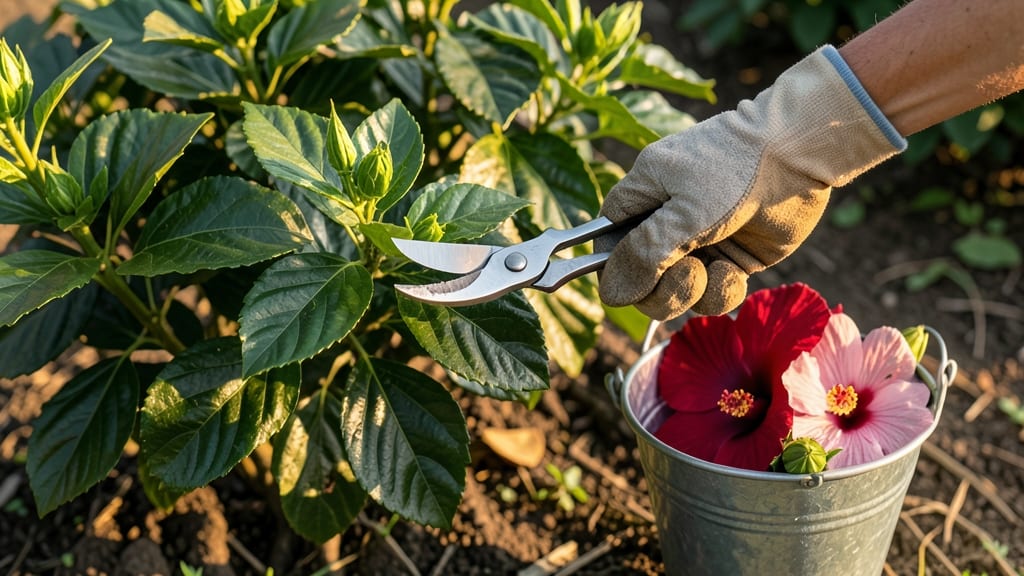
To harvest hibiscus flowers at their peak, you’ll want to snip them when fully open and vibrant 🌸—ideally in the morning before the heat of the day sets in.
Hibiscus flowers aren’t just stunning—they’re edible, medicinal, and perfect for teas, garnishes, or dried arrangements. But timing and technique make all the difference between vibrant blooms and wilted disappointment.
Picking at the wrong time can stress your plant, reduce future blooms, and even shorten the life of your harvest. Whether you’re growing tropical hibiscus for bold garnishes or hardy varieties for long-lasting bouquets, the right approach ensures your flowers stay fresh longer.
In this guide, I’ll walk you through the best time of day and season to harvest, the tools you’ll need, and step-by-step techniques to preserve those gorgeous petals—no matter your end goal.


Best time of day and season to harvest hibiscus flowers for optimal freshness
Timing is everything when harvesting hibiscus flowers—picking them at the wrong moment can turn vibrant blooms into wilted disappointments. The best time of day and seasonal window directly impact freshness, color vibrancy, and even the flower's usability for teas or garnishes.
Let’s break down the science behind the perfect harvest moment so you never miss peak freshness again.
Morning harvests consistently yield the brightest, firmest blooms because nighttime dew and cooler temperatures help hydrate the flowers overnight. By 7-9 AM, hibiscus petals are fully unfurled, colors are deepest, and stems are crisp—ideal for cutting.
Afternoon harvests risk wilting, especially in hot climates, as flowers lose moisture under the midday sun.
- 1 Morning Harvest (7-9 AM): Flowers are fully hydrated, colors are deepest and most vibrant, and stems are firm. Avoid afternoon heat which causes wilting.
- 2 Seasonal Peak (July-September): Tropical hibiscus blooms year-round in warm climates, but hardy varieties peak in late summer when days are long and humidity is moderate.
- 3 Identify Perfect Blooms: Look for fully open petals, deep color, and a firm stem. Avoid buds that are still tightly closed or flowers with drooping petals.
- 4 Weather Matters: Harvest on cloudy days or after light rain for extra moisture. Avoid harvesting after heavy storms or during extreme heat waves, which stress the plant.
- 5 Regional Adjustments: In USDA Zone 9-11, tropical hibiscus blooms year-round. In Zones 6-8, harvest from mid-summer to early fall before first frost (November 1).
Seasonal timing varies by hibiscus type. Tropical hibiscus (like Hibiscus rosa-sinensis) bloom continuously in warm climates, but their peak freshness occurs during long daylight hours of late summer. Hardy hibiscus (like Hibiscus moscheutos) thrive in cooler zones and produce their best blooms from July through September, aligning with their natural growing cycle.
Weather plays a surprisingly large role in harvest quality. After a light rain shower, hibiscus flowers absorb extra moisture, making them firmer and longer-lasting. However, harvesting after heavy downpours can lead to mushy stems and shorter vase life.
Similarly, dry, windy days cause petals to dry out prematurely, so always check the forecast before planning your harvest.
Identifying the perfect bloom for cutting is half the battle. The ideal hibiscus flower for harvest should have fully unfurled petals, deep, consistent color, and a upright stance.
Avoid flowers with pale or uneven coloring—these often indicate stress or poor nutrition. The stem should feel firm but slightly woody, not soft or hollow.
If you’re harvesting for dried arrangements, aim for flowers that are just past peak freshness—slightly wilted petals dry more evenly. For fresh uses like teas or garnishes, stick to the morning harvest rule to preserve maximum flavor and color intensity.
Pro tip: Harvest every other flower to encourage continuous blooming throughout the season.
One common mistake is harvesting early-morning dew-covered flowers. While morning is ideal, shake off excess moisture before cutting to prevent bacterial growth in stems.
Use a clean, sharp pair of pruning shears and cut at a 45-degree angle just above a leaf node to promote new growth and extend the plant’s blooming period.
For gardeners in cooler climates, timing is extra critical. Hardy hibiscus varieties often stop blooming by early October as daylight shortens. If you’re in Zone 6 or below, prioritize harvesting in August and September to maximize your yield before frost.
In warmer zones, you can enjoy near-continuous harvests with proper care and seasonal adjustments.
Remember, the best time to harvest isn’t just about the clock—it’s about reading your plants. Pay attention to their growth patterns, weather conditions, and even the time of year. With these tips, you’ll always know when to snip for the freshest, most stunning hibiscus
Step-by-step techniques for harvesting hibiscus flowers without damaging the plant
Harvesting hibiscus flowers the right way ensures your plant stays healthy and keeps producing stunning blooms. The key is to use the correct cutting technique and tools to avoid stressing the plant while maximizing the life of your harvest.
Whether you’re cutting for bouquets, teas, or culinary uses, precision matters most.
Start by selecting the right harvesting tools. A sharp pair of pruning shears or clean scissors is essential—dull blades can crush stems and invite disease. Avoid pulling flowers by hand, as this can damage the delicate stem nodes where new buds form.
For larger varieties, like tropical hibiscus, long-handled shears make reaching high blooms easier without strain.
How to Harvest Hibiscus Flowers
-
Step 1: Choose the Right Bloom
Select fully open flowers with vibrant, deep-colored petals. Avoid buds that are still closed or wilting—these won’t last long post-harvest. -
Step 2: Cut at the Right Angle
Hold pruning shears at a 45-degree angle and cut just above a leaf node (where leaves or buds grow). This encourages new growth and prevents disease. -
Step 3: Harvest Early in the Day
Pick flowers in the morning hours (before 10 AM) when petals are hydrated and firm. This extends their vase life by up to 5-7 days. -
Step 4: Preserve Immediately
Place harvested flowers in a bucket of cool water (50-60°F) to slow wilting. For drying, strip leaves and hang stems upside down in a dark, dry place for 1-2 weeks. -
Step 5: Limit Harvest Frequency
Never remove more than 1/3 of blooms at once. Over-harvesting stresses the plant and reduces future flower production. Let some buds mature naturally.
After harvesting, preserve your hibiscus flowers based on your goal. For fresh arrangements, trim stems at an angle and place in lukewarm water with a splash of bleach (1 tsp per gallon) to prevent bacterial growth. Change the water every 2-3 days for maximum freshness.
If you’re drying hibiscus for teas or potpourri, bundle stems and hang them upside down in a well-ventilated area away from direct sunlight. Once completely dry (petals brittle to touch), store in an airtight container with silica gel packets to retain moisture.
For freezing, blanch petals in boiling water for 30 seconds, then ice bath, and pat dry before storing in freezer bags.
Remember, hibiscus plants reward gentle care. By following these steps, you’ll enjoy a steady supply of vibrant blooms all season long while keeping your plant thriving. Happy harvesting! 🌸