
How To
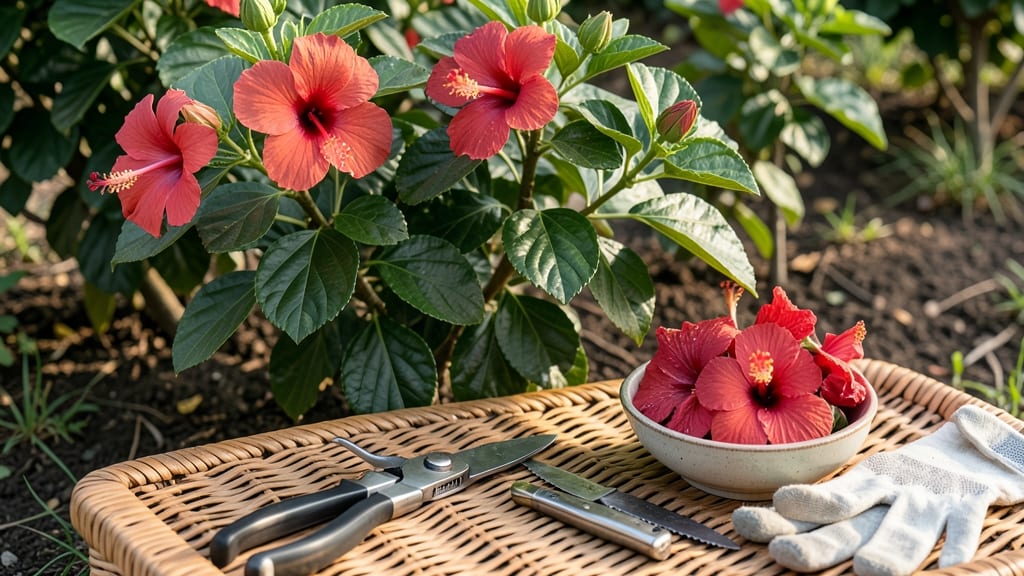
To harvest hibiscus at its peak, wait until the blooms are fully open and vibrant—usually between July and October in Zone 6a—when petals are tender and flavorful.
Hibiscus flowers aren’t just stunning—they’re edible, medicinal, and perfect for teas, jams, or even garnishes. But timing and technique matter. Harvest too early, and you’ll miss the peak flavor; too late, and the petals turn bitter.
You’ll need sharp pruners or clean scissors to snip stems just above a leaf node, avoiding damage to the plant. Morning is the best time to pick, when flowers are crisp and full of moisture.
In this guide, I’ll walk you through the exact stages to look for, the tools to use, and how to preserve your harvest—whether you’re drying petals for tea or saving seeds for next year’s garden.


When to harvest hibiscus flowers for peak flavor and texture
Timing your hibiscus harvest is everything. These vibrant flowers reach their peak flavor and texture at very specific stages—harvest too soon, and the petals taste bland; too late, and they become tough or bitter.
The secret lies in understanding the three key stages of hibiscus development and recognizing when each petal is at its prime for picking.
Most gardeners focus on the fully bloomed stage, but hibiscus flowers actually offer two distinct harvest windows: the bud stage (for tender petals) and the fully open stage (for maximum flavor).
The right moment depends on whether you're harvesting for culinary uses (like teas or garnishes) or drying purposes (for potpourri or crafts). Let’s break down when to pick for each scenario.
🌸 Key Visual Guide: Use this summary table to quickly identify harvest-ready hibiscus flowers based on their appearance and season.
For culinary purposes, the fully bloomed stage is your golden window. This is when hibiscus petals develop their signature tart, cranberry-like flavor and crisp texture. Look for flowers that are fully open with vibrant colors—typically in the morning after dew has dried.
The edges of the petals should feel slightly crisp to the touch, but not brittle.
Climate plays a huge role in harvest timing. In warmer climates (Zones 9-11), hibiscus blooms nearly year-round, so you can harvest monthly from spring to fall.
In cooler zones (6-8), focus on summer months (July–September) when temperatures stay above 70°F. If frost threatens, harvest everything before the first freeze to avoid damage.
Pro tip: Morning harvests yield the freshest petals. The cooler temperatures preserve flavor, and flowers are fully hydrated after overnight dew. Avoid harvesting in the midday heat, as petals can wilt quickly and lose their crispness.
One common mistake is harvesting closed buds for fresh use—they lack flavor and are best saved for drying. If you’re unsure whether a flower is ready, gently squeeze the petals. Ready-to-harvest flowers will feel slightly crisp but not tough, while unripe buds will feel soft and moist.
Seasonal variations also affect texture. In humid climates, petals may stay softer longer, while dry conditions accelerate crispness. Adjust your harvest schedule accordingly—if your hibiscus petals are drying out faster, pick them 1-2 days earlier than usual to catch them at peak tenderness.
Finally, never harvest more than 1/3 of the blooms from a single plant at once. Over-picking stresses hibiscus and reduces future flowering. Aim to leave enough buds to ensure continuous blooms throughout the season.
With these cues, you’ll never miss the perfect moment to harvest hibiscus—whether for a zesty tea blend, a gourmet garnish, or a long-lasting dried flower arrangement. Happy harvesting! 🌿
Step-by-step guide to harvesting hibiscus without damaging the plant
Harvesting hibiscus flowers requires precision to preserve both the plant’s health and the quality of your harvest. The key is to cut stems at the right angle and avoid bruising delicate petals.
If done incorrectly, you risk stressing the plant or reducing its future blooms. I’ve harvested hibiscus for years—whether for tea, garnishes, or drying—and these techniques ensure a clean, damage-free harvest every time.
Before you begin, gather your tools: sharp pruning shears, a clean bucket with water, and gloves (optional, for thorns). Morning is the best time to harvest, as flowers are cool, crisp, and fully hydrated.
Avoid harvesting after rain or in the heat of the day, as petals can become soggy or wilted quickly.
One mistake I see often is over-picking flowers from a single branch. Hibiscus plants are resilient, but removing too many blooms at once can stress the plant and reduce next year’s harvest. Aim to leave at least 3–5 buds per stem to ensure continuous blooming.
If you’re harvesting for seeds, wait until the flower wilts and seed pods turn brown—then gently twist to remove.
After harvesting, store petals in an airtight container in the fridge for up to 5 days if using fresh, or dry them completely for long-term storage. For drying, spread petals on a screen or mesh tray in a dark, dry place for 5–7 days, stirring occasionally.
Once fully dry, store in a glass jar away from light to preserve flavor and color.
With these steps, you’ll harvest hibiscus like a pro—keeping your plant healthy and your flowers perfect for teas, garnishes, or crafts. Happy harvesting! 🌸