
How To
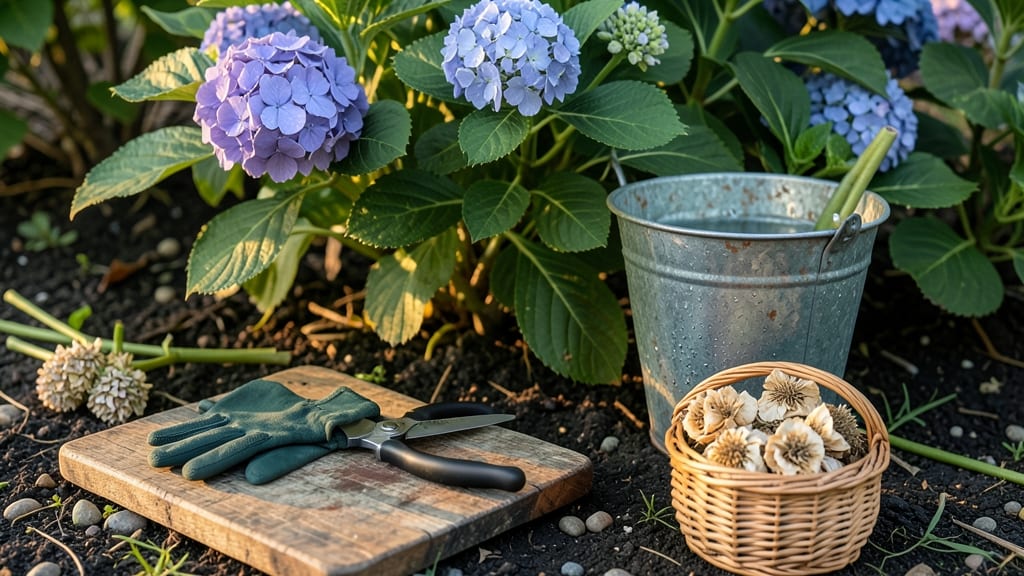
To harvest hydrangeas for long-lasting vase life, time your cuts when blooms are fully open but still vibrant 🌸 — a window that can make the difference between days and weeks of freshness.
Nothing beats the beauty of hydrangeas in a vase—except the frustration of wilting blooms that don’t last. The secret to long-lasting cuts lies in when you harvest them, and it all depends on their color.
Pinks and blues need extra care, while whites and purples often hold up better if picked at just the right moment.
Harvesting at the wrong stage can turn your bouquet into a sad, droopy mess in 24 hours. But get the timing right, and you’ll enjoy those lush clusters for two weeks or more, with petals that stay crisp and colors that pop.
Below, I’ll break down the best time to harvest by bloom shade, the exact cutting technique to preserve stems, and post-harvest tricks—like a DIY food solution—that keep hydrangeas fresher than store-bought flowers.


When to harvest hydrangeas by color for maximum longevity
Hydrangeas are nature's showstoppers, but their vase life hinges on timing. Harvesting too early means flimsy stems, while waiting too long leads to wilting or color loss.
The color of your hydrangea blooms actually dictates the best harvest window—pink varieties last longer than blue, and white hydrangeas need a different approach entirely. Understanding these color-specific cues ensures your cuttings stay vibrant for 10–14 days or more.
For Hydrangea macrophylla (the most common type), the ideal harvest window falls between late summer and early fall—typically August through October. This aligns with their natural blooming cycle, when flower buds have fully unfurled but haven’t yet started to fade.
However, the exact timing shifts based on color, as some pigments break down faster under sunlight or heat. For example, blue hydrangeas (like 'Nikko Blue') often fade within 5–7 days if harvested at the wrong stage, while pink varieties (such as 'Endless Summer') hold their hue longer.
Why color matters: The pH of your soil influences hydrangea color—acidic soil (pH 5.5) produces blue blooms, while alkaline soil (pH 6.5+) yields pink. Blue hydrangeas contain delphinidin pigments, which degrade faster in light, while pink hydrangeas rely on cyanidin, a more stable compound. White hydrangeas, like 'Annabelle,' are a special case—they’re naturally sterile flowers and don’t fade like colored varieties, but their harvest window is narrower.
Here’s the science-backed breakdown of when to harvest each color for peak vase life:
| Color | Best Harvest Time | Key Visual Cues | Vase Life | Pro Tip |
|---|---|---|---|---|
| Blue | Late August–early September | Fully open blooms with deep blue centers | 7–10 days | Harvest on cloudy mornings to preserve pigment |
| Pink | Mid-September | Petals fully unfurled, no brown edges | 10–14 days | Avoid harvesting after first frost—colors dull |
| Purple | Early September | Rich purple hue with no green tinges | 8–12 days | Cut stems at 45-degree angle for better water uptake |
| White | Late August–early October | Pure white blooms, no yellowing | 12–16 days | White hydrangeas never fade—harvest when stems are woody |
For Hortensia varieties (like 'Limelight' or 'Vanille Fraise'), the rules shift slightly. These hydrangeas bloom on new wood, meaning they produce flowers on current season’s growth. This makes them more forgiving—you can harvest up to 2 weeks later than traditional macrophyllas without sacrificing longevity.
However, their color intensity still dictates timing: lime-green blooms (like 'Limelight') should be harvested when fully unfurled but before turning yellow.
One critical mistake gardeners make is harvesting hydrangeas in peak afternoon sun. The heat causes pigments to break down instantly, especially in blue and purple varieties. Instead, harvest between 6–9 AM when temperatures are cooler.
If you must harvest later in the day, store stems in a bucket of water and refrigerate until you can arrange them—this buys you 24–48 extra hours of vibrancy.
Adjust your harvest window based on your USDA zone. In Zone 7 or warmer, hydrangeas may bloom later, pushing harvest time to early October. In cooler zones (Zone 5–6), aim for mid-September to avoid early frost damage.
Always check the stem maturity: If the stem snaps easily when bent, it’s not ready. A woody, sturdy stem means it’s harvest-ready.
Pro tip: Test your harvest timing by cutting a few stems a week apart. Compare
Step-by-step harvesting technique to preserve hydrangea blooms
Harvesting hydrangeas at the wrong stage can turn your bouquet into a sad, droopy mess in 24 hours. The key is to pick blooms when they’re fully open but still vibrant, not wilted or overripe.
For Hydrangea macrophylla (the most common variety), this usually means late summer—August to early September—when buds are plump and petals are unfurled but haven’t started fading.
Timing isn’t the only factor—how you harvest matters just as much. A clean cut at the right angle and removing excess foliage can extend vase life by up to 10 days.
Even experienced gardeners make mistakes, like harvesting too early (when buds are still closed) or too late (when petals brown). Below, I’ll walk you through the exact technique to keep your hydrangeas fresh for weeks.
How to Harvest Hydrangeas for Maximum Freshness
- Step 1: Choose the Right Blooms Select clusters where petals are fully open but still firm to the touch. Avoid buds that are pale or drooping—these won’t last long in a vase.
- Step 2: Cut at the Best Angle Use clean, sharp pruners and make a 45-degree diagonal cut about 6 inches below the bloom. This increases water uptake and reduces air bubbles.
- Step 3: Remove Lower Leaves Strip off all foliage from the bottom 3-4 inches of the stem. Leaves submerged in water can rott and clog the vase.
- Step 4: Pre-Treat the Stems Immediately submerge stems in lukewarm water for 30 minutes to hydrate them. This step is critical for woody stems like hydrangeas.
- Step 5: Store Properly Place harvested blooms in a bucket of water and refrigerate overnight. This mimics the cool, hydrated conditions they’d get in the ground.
One of the biggest mistakes gardeners make is harvesting at the wrong time. For example, blue hydrangeas (like Endless Summer) should be cut when they’re deep blue, not when they’ve already faded to lavender.
Pink varieties, on the other hand, often hold their color longer if picked when they’re fully unfurled but still bright. Overripe blooms wilt faster because their cell structure weakens as they age.
Another common error is using dull pruners, which crushes stems and blocks water flow. Always use sharp, sterilized tools to make clean cuts. If you’re harvesting for dried arrangements, wait until blooms are fully open and slightly wilted—this ensures they dry evenly without curling.
Pro tip: If you’re harvesting multiple stems, cut them at slightly different lengths. This creates a natural, fuller bouquet and prevents all stems from competing for water at the same time.
For longer vase life, recut stems every 2-3 days and change the water every 48 hours to prevent bacterial growth.
With these techniques, your hydrangeas will stay vibrant and fresh for up to 2 weeks—far longer than the typical 3-5 days most bouquets last. The secret? Timing, technique, and a little post-harvest TLC. Now go snip those stems like a pro! 🌸