
How To
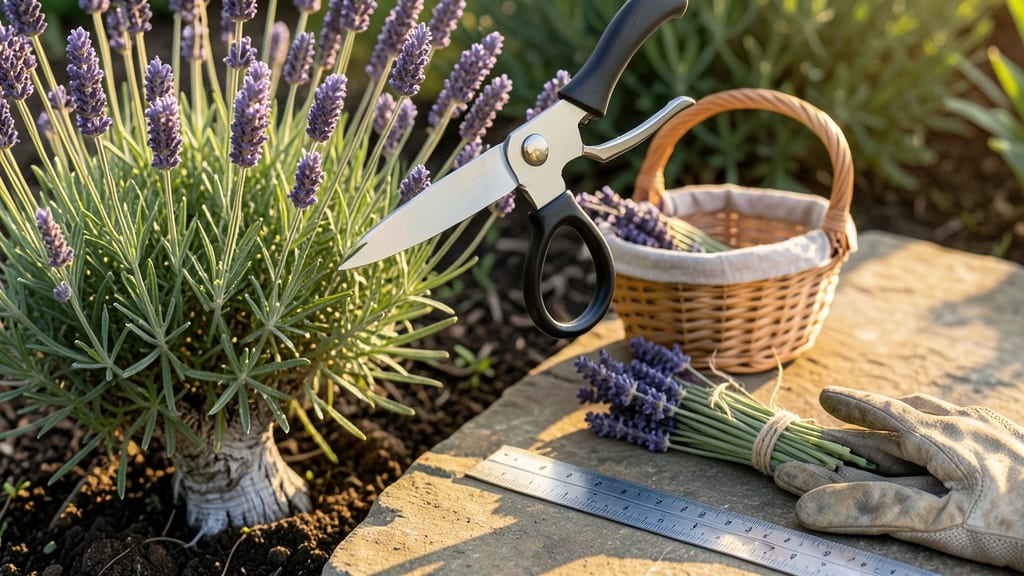
To harvest lavender at its peak means cutting just before the buds fully open 🌿 — that’s when the oil content and fragrance are strongest.
Harvesting lavender at the wrong time can leave you with bitter stems or weak oil, and the difference between a high-quality crop and a mediocre one comes down to timing and technique.
Whether you’re drying bundles for sachets or distilling for essential oil, getting it right ensures your lavender stays productive for years.
You don’t need fancy tools—just sharp pruners and a sunny day—but the real secret lies in recognizing the perfect moment. Look for plump purple buds and a sweet, strong scent; those are your cues.
Cut stems at an angle to encourage new growth, and never take more than one-third of the plant at once to keep it thriving.
Inside, I’ll walk you through the exact steps for harvesting, drying, and storing lavender—plus how to avoid common mistakes that ruin the oil quality. Ready to turn your garden into a fragrant goldmine?


When to harvest lavender for maximum essential oil & dried flower yield
Timing your lavender harvest is an art that blends science with observation. The ideal harvest window occurs when buds are fully formed but haven't opened yet, typically mid-to-late summer in most climates.
This stage ensures peak essential oil content and maximum floral preservation for drying. Missing this window means sacrificing potency—either bitter, low-yield stems or flowers that lose their signature aroma.
Climate plays a crucial role in determining your harvest schedule. In cooler regions (USDA Zones 5-7), aim for July through early August when temperatures are warm but not scorching. Meanwhile, warmer climates (Zones 8-10) can extend the harvest into September, provided you catch those morning dew-free hours.
Always prioritize dry, sunny days to prevent moisture from degrading your harvest.
Morning harvests are non-negotiable for essential oil quality. The cool, dew-free air between 6-9 AM preserves the volatile oils that give lavender its therapeutic properties. Waiting until afternoon risks oxidation from heat, which turns your prized buds into bitter, low-aroma stems.
Pro tip: Rub a bud between your fingers—if it releases a rich, sweet fragrance, it's ready.
Seasonal cues are your best friend when planning lavender harvests. In spring-planted lavender, wait until the second year for your first full harvest, as first-year plants focus on root development. For established bushes, harvest 2-3 times per season, spacing cuts 6-8 weeks apart to allow regrowth.
Never harvest more than one-third of the plant at once, or you'll stunt future blooms.
Climate factors like humidity and temperature directly impact harvest timing. In high-humidity zones, harvest slightly earlier to avoid mold risk during drying. Conversely, arid climates can extend the harvest window into early fall, but monitor for bud desiccation.
Always check the weather forecast—dry, sunny days are ideal, while rain or high winds should delay your harvest by 24-48 hours.
Did you know? Lavender's essential oil content peaks at 0.5-1.5% of its dry weight when harvested at the bud stage. Harvesting at full bloom drops this to 0.1-0.3%, making it a 50% reduction in potency.
This is why precision timing isn't just about yield—it's about quality. For dried flowers, the bud stage also ensures longer shelf life and stronger aroma retention.
Regional differences matter when planning your lavender harvest. In Mediterranean climates, lavender may bloom twice per year, with harvests in spring and fall. Meanwhile, Northern U.S. growers should harvest only once per year, typically in July, before the first frost.
Always adjust your schedule based on your local last frost date—lavender is frost-sensitive and won't recover well from cold damage.
For essential oil extraction, timing is everything. The highest linalool and linalyl acetate levels (key compounds in lavender oil) occur when buds are 70-80% open. If you're growing lavender for com
Step-by-step lavender harvesting techniques for beginners & experts
Harvesting lavender isn’t just about cutting stems—it’s about preserving that signature fragrant oil and ensuring your plant stays healthy for future harvests. The key is timing: aim for mid-morning when essential oils are at their peak, and always harvest just as buds begin to open but before they fully bloom.
This ensures the highest aromatic potency and prevents bitterness in the stems.
For tools, you’ll only need a few basics: sharp pruning shears (clean and disinfected), a bucket with water to keep stems fresh, and rubber bands or twine for drying bundles. Avoid dull tools—they crush stems and reduce oil quality.
If you’re harvesting for essential oil distillation, organic methods are ideal, but conventional approaches work too as long as you avoid pesticides before harvest.
How to Harvest Lavender Like a Pro
-
Step 1: Choose the Right Time
Harvest on a dry, sunny morning when buds are plump and purple but haven’t opened fully.
-
Step 2: Use Clean Tools
Sanitize pruning shears with rubbing alcohol to prevent disease. Dull blades crush stems, reducing oil quality.
-
Step 3: Cut at the Right Angle
Snip stems at a 45-degree angle about 2-3 inches above new growth to encourage bushier plants.
-
Step 4: Bundle for Drying
Gather 5-7 stems and tie with twine or rubber bands, leaving 1-2 inches of stem exposed at the bottom.
-
Step 5: Hang Upside Down
Suspen bundles in a dark, well-ventilated space (like a closet) for 2-3 weeks until stems are crispy.
-
Step 6: Store Properly
Keep dried lavender in airtight containers away from light to preserve aroma for up to 1 year.
After harvesting, never take more than one-third of the plant at once—this keeps lavender compact and productive for years. If you’re harvesting for culinary use, wait until flowers are fully open, but for essential oils, stick to the bud stage.
Pro tip: Harvest every 6-8 weeks during peak season (late summer) to maintain consistent yields.
For organic growers, avoid synthetic fertilizers 4-6 weeks before harvest to ensure clean, high-quality oil. If you notice yellowing leaves or weak stems post-harvest, your plant may need a balanced fertilizer (like 5-10-10) in early spring. Always water deeply before harvesting to plump up the buds and enhance fragrance.
Once dried, lavender can be used in homemade potpourri, sachets, or even infused oils. Store bundles separately from dried flowers to prevent moisture buildup, which can lead to mold. With these techniques, you’ll turn your lavender into a year-round fragrant resource while keeping your plants thriving.