
How To
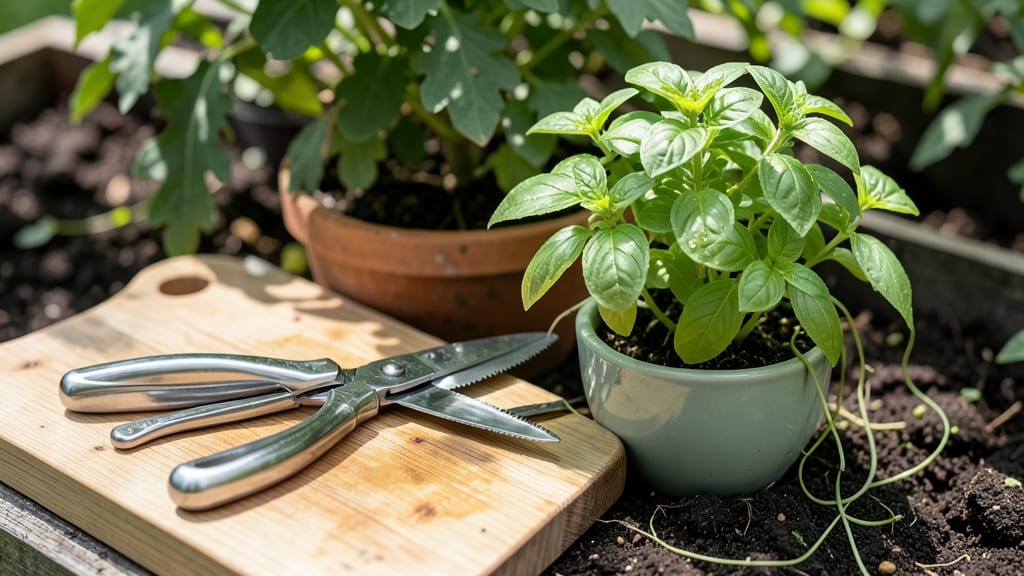
Harvesting lemon basil 🍋 at the right time ensures you get the most flavor—and keeps your plant thriving for weeks longer.
If your lemon basil stems snap at the slightest touch, you’re not dealing with a weak plant—you’re witnessing the perfect sign that it’s ready for harvest. But timing, technique, and pruning tricks can make the difference between a thriving bush and a sad, leggy shadow of its former self.
Most gardeners miss the best harvest window because they focus on size instead of stem strength. The key is cutting just above a leaf node (where new growth appears) and avoiding the woody base.
I’ll walk you through the exact method that keeps your lemon basil bushy, flavorful, and ready for your next recipe.
From morning harvests for peak aroma to storage tips that last up to a week, you’ll learn how to turn every pinch into a bountiful harvest—without sacrificing your plant’s health.


When and how to harvest lemon basil for maximum flavor and growth
Harvesting lemon basil at the right time ensures maximum flavor and encourages bushier regrowth. The key is knowing when your plant signals readiness—like when stems snap easily—and using proper techniques to avoid stressing your herb.
This delicate balance keeps your lemon basil thriving while delivering the brightest citrus notes for your dishes.
Timing your harvest correctly means never sacrificing plant health for a quick yield. Over-harvesting can lead to leggy growth or even flowering, which dulls flavor. Instead, focus on selective pruning and seasonal cues to maintain a flavorful, productive plant all season long.
Your lemon basil is ready for harvest when stems snap cleanly at the base—a sign of mature cell structure. This typically happens when your plant reaches 6-8 inches tall with 4-6 true leaves.
The morning hours are ideal because essential oils peak after a night's rest, delivering the most intense lemon flavor.
Use clean, sharp scissors or pruning shears to make 45-degree cuts just above a leaf node. Avoid tearing stems, as this can invite disease and stress the plant.
For bushier growth, always cut above a set of leaves rather than the bare stem, which encourages new side shoots.
Seasonal timing matters too. In early summer, focus on light harvesting to establish your plant. By mid-summer, you can harvest more aggressively while still leaving enough foliage for photosynthesis. In late summer, reduce harvesting as your plant prepares for fall dormancy.
Never harvest more than one-third of the plant at once, even if it looks lush. This rule prevents shock and stunting. If you notice leggy stems or small leaves, it's a sign you're over-harvesting. Instead, trim selectively and focus on encouraging bushiness through proper pruning techniques.
For container-grown lemon basil, harvest even more carefully since root space is limited. After each harvest, water deeply and fertilize lightly to support recovery. In ground beds, you have more leeway, but always rotate harvest locations to avoid soil depletion in one spot.
One common mistake is cutting too close to the base, which can kill the plant or leave ugly scars. Always leave at least 2-3 inches of stem above the soil line. This preserves the crown and allows for new growth to emerge quickly after pruning.
After harvesting, rinse leaves briefly under cool water to remove pest debris, then pat dry with a clean towel. Store in a sealed container in the fridge for up to 5 days, or freeze in oil for long-term use.
Proper storage keeps your harvested lemon basil vibrant and flavorful.
With the right harvesting rhythm, your lemon basil will stay productive for months, delivering bright citrus notes to every dish. The secret? Listen to your plant—when it tells you it's ready, it's time to harvest with confidence! 🍋
Step-by-Step pruning tricks to keep lemon basil thriving after harvest
Pruning your lemon basil after harvest isn’t just about keeping your plant looking neat—it’s the secret to encouraging bushier growth and preventing legginess. When you cut back properly, you’re signaling the plant to focus energy on new stems and leaves, not just height.
I’ve learned the hard way that skipping this step leads to woody stems and sparse foliage, so let’s fix that together.
The golden rule? Always cut just above a leaf node (where leaves meet the stem) using clean, sharp pruning shears. This ensures new growth sprouts exactly where you want it.
Avoid cutting too close to the base—this can damage the plant and leave it vulnerable to disease. Instead, aim for the upper third of the stem to maintain balance.
How to Prune Lemon Basil After Harvest
- 🌱 Step 1: Wait for the right time
Prune immediately after harvesting, but only if your plant has at least 4-6 inches of new growth remaining. This ensures it can recover quickly. - ✂️ Step 2: Use the right tools
Grab sterilized pruning shears or sharp scissors. Dull tools crush stems, slowing recovery. Wipe blades with rubbing alcohol between cuts for hygiene. - 📏 Step 3: Cut at a 45-degree angle
Angle cuts above a leaf node (about ¼ inch above) to prevent water from pooling. This also encourages stronger regrowth from the exact spot. - 🌿 Step 4: Trim leggy stems first
Focus on tall, sparse stems to redirect energy. Cut these back by half their length to promote bushiness. Avoid removing more than 30% of the plant at once. - 💧 Step 5: Water thoroughly post-prune
Give your plant a deep watering to help it recover. Avoid overhead watering for 24 hours to prevent fungal issues from fresh cuts.
If your lemon basil looks leggy and sparse after harvest, don’t panic—it’s often fixable with a rejuvenation prune. Cut back all stems by half, even if it looks drastic.
Within weeks, you’ll see new growth from the base, and your plant will bounce back with a fuller, healthier appearance. This works best in spring or early summer when the plant is actively growing.
One common mistake I see is cutting too close to the base, which can expose the plant’s woody core and stunt regrowth. Another is pruning in late summer or fall, when the plant is preparing for dormancy.
Always prune in the morning for the best results—this gives the plant time to recover before evening temperatures drop.
To keep your lemon basil thriving long-term, space your cuts wisely. If you’re growing in a pot, leave at least 3-4 inches of space between stems to allow airflow.
In garden beds, space plants 12-18 inches apart to prevent overcrowding. This reduces competition for nutrients and light, leading to healthier, more productive plants.
With these pruning tricks, your lemon basil will stay compact, flavorful, and productive for months. The key is consistency—prune every 4-6 weeks during the growing season, and your plant will reward you with a steady supply of fresh leaves. Happy pruning! 🌿