
How To
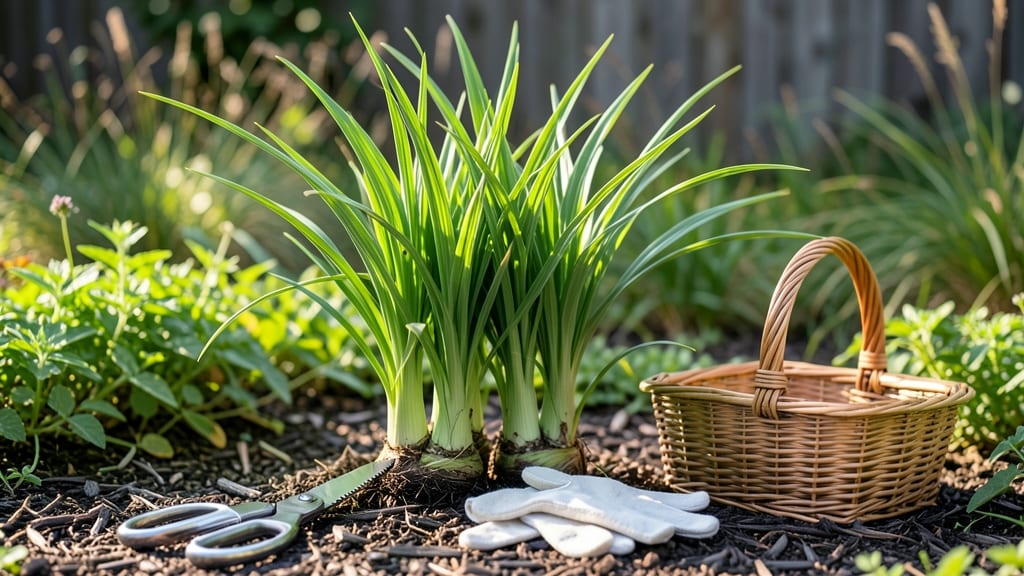
Harvesting lemon grass at the right time means fresh, flavorful stalks every time while keeping your plant thriving for years.
Picture this: You’ve nurtured your 🌿 lemon grass for months, and now it’s towering over your garden—only to realize you’ve missed the perfect harvest window. Too early, and you’ll get bitter, underdeveloped stalks.
Too late, and the plant may flower, sacrificing flavor for seeds. The key? Cutting when the stalks hit 12-18 inches tall, just before flowering begins.
This isn’t just about timing—it’s about technique too. The right tools, the proper cut, and even how you store the harvest can make the difference between a bold, citrusy flavor and something that tastes more like grass.
Below, I’ll walk you through the exact steps to harvest, store, and encourage regrowth so your lemon grass keeps giving you bountiful yields season after season.
Whether you’re a beginner or a seasoned gardener, these tips will ensure you’re always harvesting at peak flavor—without stunting your plant. Let’s get started.


When and how to cut lemon grass for optimal regrowth
Harvesting lemon grass at the right time ensures maximum flavor and vigorous regrowth. The best stalks are 12–18 inches tall with fully unfurled leaves and a strong citrus scent.
Cutting too early stunts growth, while waiting too long reduces potency. Aim for spring to early summer in temperate climates, or year-round in frost-free zones.
Never harvest when your plant is flowering—this drains energy and produces bitter, less aromatic stalks. Look for outer leaves turning dry as a signal to trim; these can be removed first to encourage new growth. Always leave the inner core intact to maintain the plant’s structure and regrowth potential.
Use a sharp pruning shears or clean kitchen knife to make cuts at a 45-degree angle, about 1–2 inches above the base. This prevents water from pooling and reduces rot risk. Disinfect your tools with rubbing alcohol between cuts to avoid spreading disease.
How to Harvest Lemon Grass Step-by-Step
- Step 1: Select stalks 12–18 inches tall with fully elongated leaves and a bright citrus aroma.
- Step 2: Hold the stalk firmly and cut 1–2 inches above the base at a 45-degree angle using sterilized shears.
- Step 3: Remove any dry or yellow outer leaves to encourage new growth while leaving the inner core intact.
- Step 4: Store harvested stalks in a sealed plastic bag in the fridge for up to 2 weeks or freeze them for 6 months to preserve flavor.
- Step 5: Water the base deeply after harvesting to support regrowth and apply a balanced fertilizer (10-10-10) every 4–6 weeks during the growing season.
After harvesting, monitor your plant for new shoots emerging from the base within 30–60 days. If regrowth is slow, check for underwatering, poor soil drainage, or nutrient deficiencies. Lemon grass thrives in well-draining soil with partial sunlight, so adjust care accordingly.
For container-grown lemon grass, harvest 2–3 stalks at a time to avoid overcrowding. If your plant is in a small pot, consider repotting into a 12-inch container with fresh potting mix to encourage stronger regrowth. Mulch around the base with organic matter to retain moisture and suppress weeds.
Never cut more than 30% of the stalks in a single harvest, or you risk stunting future growth. If your plant is younger than 6 months, limit harvesting to 1–2 stalks to allow it to establish a robust root system.
Patience here pays off with larger, more flavorful stalks in future harvests.
To maximize flavor, use freshly harvested stalks within 1–2 weeks. For long-term storage, wrap the stalks in aluminum foil and freeze them. Thaw in the fridge overnight before use. Avoid storing cut stalks in water, as this can dilute their aromatic oils and shorten shelf life.
If your lemon grass develops yellowing leaves or weak stalks after harvesting, it may need additional nutrients. Apply a liquid seaweed fertilizer or compost tea to boost recovery. Avoid over-fertilizing, as this can lead to salt buildup in the soil and burn the roots.
With the right technique, your lemon grass can produce continuous harvests for years. The key is balance: harvest strategically, support regrowth, and protect the plant’s health. Soon, you’ll have a thriving lemon grass patch ready for all your culinary needs! 🌿✂️🍋
Lemon grass regrowth timeline: how often to harvest for continuous yield
Understanding your lemon grass regrowth timeline is the secret to a never-ending supply of fresh stalks. After harvesting, your plant typically rebounds in 30-60 days, depending on climate, soil quality, and how aggressively you cut.
In my USDA Zone 6a garden, I’ve found that with proper care, I can harvest every 6-8 weeks without stressing the plant.
Key factors like temperature, soil nutrients, and watering consistency directly impact how quickly your lemon grass recovers. For example, during summer months, regrowth can happen in as little as 4 weeks thanks to longer daylight hours, while cooler autumn may stretch the cycle to 8 weeks.
Pay attention to these cues to adjust your harvesting schedule accordingly.
- 1 Check stalk height – Harvest when stalks reach 12-18 inches. Any shorter, and the flavor won’t be fully developed.
- 2 Wait 30-60 days – After cutting, give your plant this window to regrow. In warm climates, you’ll see new shoots in 4-5 weeks.
- 3 Look for new growth – When you spot 3-4 fresh leaves unfurling at the base, it’s time to harvest again.
- 4 Avoid over-harvesting – Never cut more than 1/3 of the stalks at once, or you’ll weaken the plant permanently.
One of the biggest mistakes I see is harvesting too frequently in the plant’s early years. Young lemon grass (first year) needs time to establish its root system.
I recommend waiting until it’s at least 18 months old before committing to a regular harvest schedule. Even then, limit cuts to once every 8 weeks until it’s fully mature.
Soil health plays a huge role in regrowth speed. If your lemon grass is struggling to bounce back, it might be nutrient-deficient. I always add a balanced 10-10-10 fertilizer every 6-8 weeks during the growing season to keep my plants vigorous.
Pair this with consistent watering—about 1 inch per week—and your lemon grass will reward you with rapid regrowth.
Watch for these 3 signs your plant is ready for another harvest: new leaves unfurling, stalks reaching 12+ inches, and a strong lemon scent when crushed.
Ignore these signals, and you risk bitter stalks or even flowering, which signals the end of the harvestable phase for that cycle.
Pro tip: If your lemon grass starts flowering, simply snip the flower stalk at the base. This redirects the plant’s energy back into leaf growth, giving you another 4-6 weeks of harvestable stalks before you’ll need to wait for the next cycle.
With this approach, I’ve kept my lemon grass producing nearly year-round in my climate.