
How To
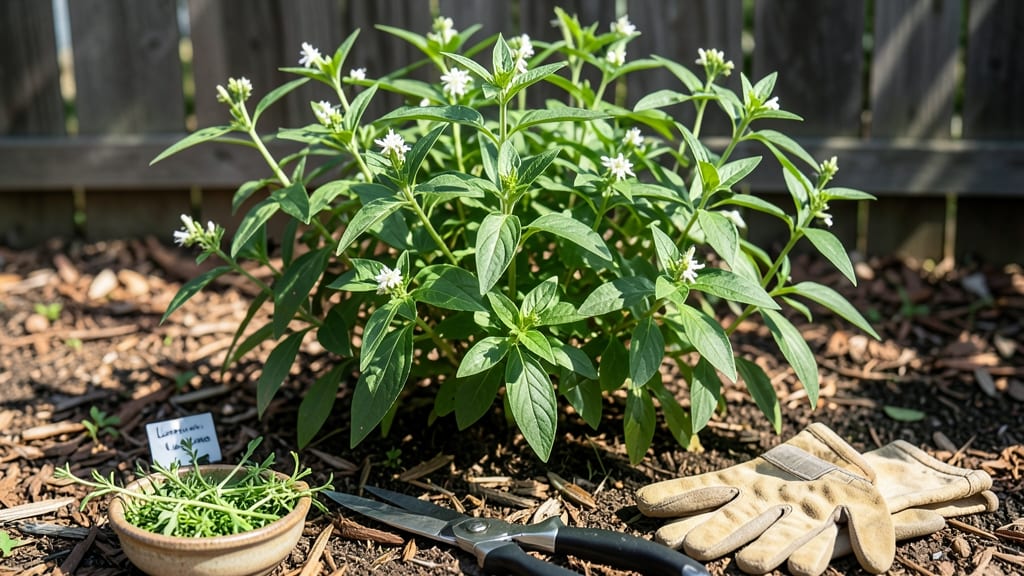
To harvest lemon verbena at its most fragrant and flavorful, timing and technique matter more than you might think 🌿 — a single wrong cut could weaken your plant or dull its signature citrusy punch.
Picture this: you’ve spent months nurturing your lemon verbena, only to pinch off leaves when they’re not quite ready, leaving you with bland tea or desserts that lack that bright, zesty kick.
The secret? Harvesting when the leaves are fully mature but before flowering begins, ensuring maximum oil content and aroma.
In this guide, I’ll walk you through the best time of year to harvest—typically between July and September—plus the simple tools and pruning tricks that keep your plant thriving while maximizing your yield. No guesswork, just proven methods for gardeners of all levels.
You’ll also discover how to revive leggy plants, avoid common harvesting mistakes, and preserve your harvest for teas, cocktails, or homemade remedies. Ready to turn your lemon verbena into a kitchen staple? Let’s get started.


Best time of year to harvest lemon verbena for peak flavor & oil content
Timing is everything when harvesting lemon verbena for that signature citrusy aroma. The best window spans late summer through early fall, when essential oil content peaks naturally. This aligns with USDA Zone 6a growing seasons, where frost-free days stretch from April 15 to October 15.
Harvesting during these months ensures leaves packed with limonene—the compound responsible for that zesty scent.
For gardeners in warmer climates, you can extend harvesting into November before first frost arrives. The key is to target mature leaves just before flowering begins. This pre-flowering stage guarantees the most potent flavor, as energy shifts from leaf production to bloom development.
Think of it as catching the plant at its flavorful prime.
Climate plays a surprising role in oil potency. In cooler regions, harvest in July-August when daytime temps hover around 75-85°F. In hotter zones, shift to September-October to avoid heat stress that can dull flavors.
The morning hours are ideal—leaves contain the highest volatile oils after a full night's rest.
Here’s how to spot ready-to-harvest leaves: They should be dark green, leathery, and emit a powerful lemon scent when crushed. Avoid harvesting soft new growth or woody stems, as these lack the concentrated aromatic compounds.
Pro tip: Pinch a leaf—if it smells like lemonade, it’s harvest-ready!
| Harvest Window | Optimal Growth Stage | Climate Notes | Leaf Characteristics |
|---|---|---|---|
| July-August | Pre-flowering, mature leaves | Cooler regions (Zone 6a) | Dark green, leathery, strong lemon scent |
| September-October | Post-flowering, secondary growth | Warmer climates, avoid frost | Slightly lighter green, still fragrant |
| November (limited) | Late-season regrowth | Frost-free zones only | Smaller leaves, milder flavor |
| Avoid Harvesting | Winter dormancy | Below 50°F consistently | Soft, pale, or frost-damaged leaves |
Did you know? Lemon verbena’s oil content can vary by 30% depending on harvest timing. Leaves picked in July often contain 2-3x more limonene than those harvested in October. To maximize yield, focus on morning harvests—this is when volatile oils are most concentrated.
Store harvested leaves in paper bags in the fridge to preserve that fresh-citrus punch for up to 2 weeks.
For container-grown plants, harvest 2-3 times per season to encourage bushier growth. Always use clean, sharp scissors to snip leaves just above a leaf node. This promotes new shoot development while keeping the plant compact.
Avoid taking more than 1/3 of the foliage at once—this prevents stress and ensures your plant rebounds quickly.
One common mistake is harvesting flowering stems for their leaves. While the leaves may still be usable, the plant’s energy is now focused on seed production, not leaf growth. Always prioritize non-flowering branches for the best flavor and aroma.
If you notice yellowing leaves after harvesting, it’s a sign of over-pruning—scale back to once every 6 weeks in peak season.
In USDA Zone 7 and above, you can push harvests into early December if temperatures stay above 40°F. However, flavor will naturally decline as the plant prepares for winter dormancy. For year-round harvests, consider growing lemon verbena in containers and bringing them indoors before first frost.
Place them near a south-facing window to maintain light exposure and continue harvesting indoor-grown leaves until spring.
To test leaf maturity, rub a leaf between your fingers. If it releases a bright lemon scent that lingers, it’s ready. If it smells mild or grassy, wait 2-4 weeks for full development.
Step-by-Step leaf trimming guide to encourage bushier growth
Trimming your lemon verbena isn’t just about harvesting—it’s a way to coax your plant into producing denser foliage and stronger citrus aroma. The key is to prune strategically, focusing on new growth while avoiding over-harvesting.
When done right, your plant will reward you with bushier stems and leaves packed with flavor.
Start by gathering the right tools: a pair of sharp pruning shears (or clean scissors) and a small container for discarded leaves. Avoid using your hands to pinch leaves—this can damage stems and invite pests. Always work in the morning when the plant is hydrated and ready for trimming.
⚠️ Visual Guide: How to Trim Lemon Verbena
- 🌿 Step 1: Identify Mature Leaves
Look for leaves that are fully developed (about 2-3 inches long) and emit a strong lemon scent when crushed. Avoid harvesting leaves near the base or on woody stems. - ✂️ Step 2: Use the Right Cutting Technique
Snip leaves just above a leaf node (the point where leaves meet the stem). Angle your cut 45 degrees to prevent water from pooling on the stem, which can cause rot. - 🌱 Step 3: Prune for Bushiness
Trim back 1/3 of the plant’s height in early spring to encourage new side shoots. Focus on the outermost growth to open up the plant’s center for better airflow. - 💧 Step 4: Revive Leggy Plants
If your lemon verbena has long, sparse stems, cut back one-third of the tallest stems to the nearest leaf node. This forces the plant to redirect energy to lateral growth. - 🌞 Step 5: Post-Trimming Care
Water your plant deeply after pruning to help it recover. Avoid fertilizing for 2-3 weeks to let the cuts heal before encouraging new growth.
Never remove more than 30% of the plant’s foliage in a single session—this can shock your lemon verbena and stunt its growth. Instead, space out trims every 4-6 weeks during the growing season (spring to early fall) to maintain a steady supply of fragrant leaves.
For container-grown lemon verbena, prune more aggressively to control size, but always leave at least half the plant intact. This prevents root stress and ensures your plant continues producing aromatic leaves for months to come.
If your plant looks overcrowded or has yellowing leaves, it’s time for a deeper trim. Cut back dead or diseased stems to the base and thin out competing growth to improve airflow. This simple step can revive struggling plants and restore their vigor.
With consistent trimming, your lemon verbena will thrive, producing bushier growth and leaves with an intensified lemon scent. The best part? You’ll have a year-round supply of fresh leaves for teas, cocktails, or homemade remedies—all without sacrificing your plant’s health. 🍋