
How To
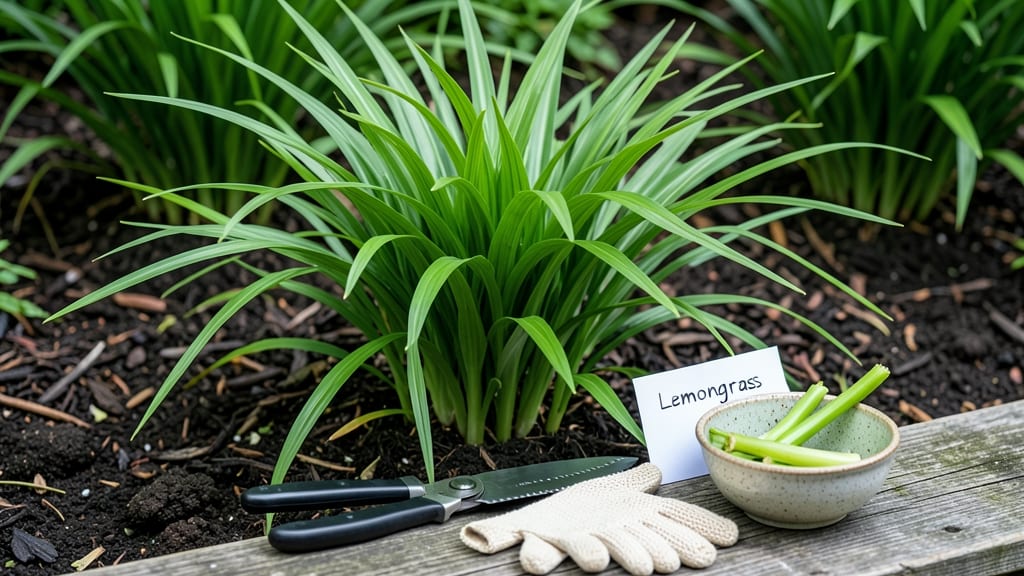
To harvest lemongrass for tea, you’ll want stems that are 12–18 inches tall with a strong citrus scent—these are the ones packed with flavor.
If you’ve ever sipped homemade lemongrass tea and wondered why some batches taste bright and citrusy while others fall flat, the answer lies in how—and when—you harvest the stems. Lemongrass thrives when cut correctly, unlocking its full aromatic potential for tea.
Timing matters most: harvest before flowering, when the stems are firm and the leaves are deep green. Skip the tough lower stems—they’re fibrous and bitter, and focus on the tender upper 6–12 inches for the best tea flavor.
In this guide, I’ll walk you through the exact steps to cut, store, and preserve your lemongrass so every cup of tea tastes like a burst of sunshine—no flat or watery brews here.


When to harvest lemongrass stems for optimal tea flavor
The best time to harvest lemongrass for tea is when the plant reaches 12-18 inches tall with fully unfurled leaves. This stage ensures maximum essential oil content, delivering that bright, citrusy flavor we all love in tea.
Harvesting too early means weak flavor, while waiting too long can make stems woody and bitter.
Timing also depends on your USDA zone. In warm climates like zones 10-11, you can harvest year-round, but for cooler zones like 6a, aim for late summer through fall. The key is to harvest before the plant flowers, as this is when flavor peaks.
Look for these visual cues to confirm readiness: vibrant green leaves, a firm woody base, and a strong citrus aroma when crushed. These signs guarantee the best flavor for your tea.
| Harvest Stage | Plant Height | Leaf Condition | Aroma Test | Best Time of Year |
|---|---|---|---|---|
| Optimal Harvest | 12-18 inches | Deep green, fully unfurled | Strong citrus scent | Late summer-fall (zone 6), year-round (zones 10-11) |
| Too Early | Under 10 inches | Pale or yellowing | Weak or no scent | Avoid harvesting |
| Overripe | Over 24 inches | Dry or woody | Bitter aroma | After flowering |
In zone 6 climates, like Ohio, your last frost date (around March 15) signals the start of the growing season. By late summer, your lemongrass should be ready for harvest.
In warmer zones like Phoenix (zone 9b), you can harvest as early as April if planted in spring.
For container-grown lemongrass, the same rules apply, but monitor growth closely. Containers dry out faster, so ensure your plant stays consistently moist but not waterlogged. This helps maintain the flavor intensity in your tea.
Harvesting in the morning is ideal because the essential oils are most concentrated. Cut stems about 2-3 inches above the base to encourage regrowth. This method ensures you get multiple harvests per plant throughout the season.
If you miss the optimal window, don’t worry! You can still harvest, but flavor may be less vibrant. For best results, prioritize stems that meet the 12-18 inch height and strong citrus aroma criteria. These are your golden tickets for the best-tasting lemongrass tea.
Pro tip: If your plant starts flowering, it’s past its prime for tea. The citrusy compounds diminish as the plant shifts energy to reproduction. Cut back flowering stems to redirect energy to new growth for future harvests.
By following these harvest timing tips, you’ll ensure every cup of lemongrass tea you brew is packed with that bright, refreshing flavor we all crave. Happy harvesting! 🌿
Step-by-step guide: how to cut lemongrass stems for tea
Harvesting lemongrass correctly ensures your tea stays vibrant and packed with that signature citrusy punch. The key is to focus on the tender upper stems—these are where the essential oils that flavor your tea live.
Avoid the tough, woody base, as it adds bitterness rather than aroma. With the right tools and technique, you can harvest multiple times from a single plant without harming it.
Before you begin, gather your tools: a sharp pair of pruning shears or a clean kitchen knife, a bucket of water to keep stems fresh, and a cutting board or flat surface.
Work on a dry, sunny day to minimize stress on the plant and allow any cuts to heal quickly. Always sanitize your tools with rubbing alcohol to prevent spreading disease between cuts.
Choose stems that are 12–18 inches tall with fully unfurled, deep green leaves. Look for a strong citrus scent when you crush a leaf—this means peak flavor. Avoid stems that are flowering or have yellowing leaves.
Make your cut 6–8 inches above the base of the plant. This ensures you leave enough growth for the plant to recover and regrow. Avoid cutting too close to the base, as this can damage the plant’s ability to produce new shoots.
Use your sharp pruning shears to make a diagonal cut at a 45-degree angle. This prevents water from pooling on the cut surface, which can lead to rot. A clean cut also encourages faster healing and regrowth.
Once cut, peel away the outer fibrous layers from the bottom of the stem. These layers are tough and bitter, which can ruin your tea. Focus on the tender inner stems for the best flavor and aroma.
Place harvested stems in a bucket of water and store them in the refrigerator for up to 2 weeks. For longer storage, wrap stems in a damp paper towel and place them in a sealed bag in the freezer for up to 6 months.
This preserves their freshness and flavor.
After harvesting, give your lemongrass plant a light drink of water to help it recover. With proper care, your plant will regrow quickly, allowing you to harvest again in about 6–8 weeks.
Always leave at least 3–4 inches of stem above the base to ensure the plant stays healthy and productive.
For the best tea flavor, use freshly harvested stems within 1–2 weeks. If you’ve stored them in the freezer, thaw them overnight in the fridge before using. This ensures your lemongrass tea stays bright, aromatic, and full of that zesty citrus kick you love.