
How To
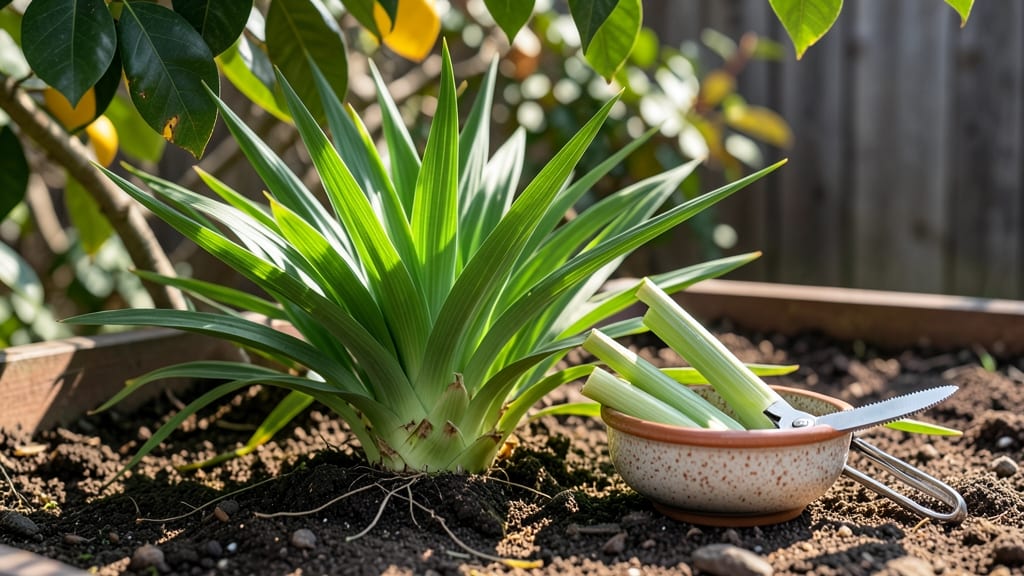
Harvesting lemongrass without killing the plant starts with the right cut—2 inches above the base—where the regrowth magic happens.
Picture this: You’ve nurtured your 🌿 lemongrass for months, only to snip the wrong stalk and watch it wilt. That’s the moment you realize harvesting isn’t just cutting—it’s a science. One misstep can stunt growth or worse, kill your plant entirely.
In General (Tropical/Subtropical) zones 9-11, where lemongrass thrives year-round, timing and technique make all the difference. The key? A precise 2-inch snip that triggers new shoots while preserving the root system. Below, I’ll walk you through the exact method—plus when to harvest for maximum yield without stressing your plant.
By the end, you’ll know how often to harvest, which stalks to avoid, and the seasonal tweaks that keep your lemongrass lush and productive. No more guesswork—just healthy regrowth every time.


The 2-Inch stem snip method: exact cutting technique for healthy regrowth
Harvesting lemongrass the wrong way can leave your plant looking like a stubbly mess instead of a thriving herb garden staple. The 2-inch stem snip method is my go-to technique for ensuring vigorous regrowth while keeping your plant productive.
This precision method preserves the plant's energy reserves and encourages new shoots to emerge from the base, just like they would in their native tropical climate.
Why stop at guessing when you can measure for success? The 2-inch rule isn't arbitrary - it's based on how lemongrass stores nutrients in its lower stem. Cutting too close to the base removes these reserves, while leaving too much stem weakens the plant's structure.
Mastering this technique will give you year-round harvests without sacrificing your plant's health.
Use a sharp pruning shears or clean kitchen knife. Avoid dull tools that can crush stems and introduce disease.
Select stalks that are 12-18 inches tall with fully developed leaves and a strong citrus scent when crushed.
Use a ruler or measuring tape to mark 2 inches from the base on each selected stalk. This preserves the plant's nutrient storage zone.
Cut at a 45-degree angle just above your mark. This prevents water from pooling on the cut surface and reduces rot risk.
Always preserve at least 25% of stalks to maintain the plant's energy balance and support new growth.
Wipe blades with rubbing alcohol between cuts to prevent spreading disease between stalks.
The 45-degree angle cut might seem like a small detail, but it makes a big difference in your plant's recovery. This angled cut increases the surface area for new growth while preventing water from collecting on the cut stem, which could lead to rot.
Think of it like creating a little roof over the cut - it helps channel water away from the vulnerable growing point.
Timing your harvest is just as important as how you make the cut. The best time to harvest is in the morning after watering. This ensures the stalks are fully hydrated and firm, making for cleaner cuts.
Plus, harvesting in the morning gives your plant the entire day to recover before nightfall when metabolic processes slow down.
After your first harvest, you'll notice new shoots emerging from the base within 4-6 weeks. This is your lemongrass's way of saying "thank you" for using the proper technique!
To encourage even more regrowth, I recommend applying a light layer of compost around the base after harvesting. This provides essential nutrients for the new growth while improving soil structure.
One common mistake I see is over-harvesting in one session. Never take more than one-third of the stalks at a time, even if they all look mature. Your lemongrass plant is like a well-organized pantry - you wouldn't take out all the canned goods at once, would you?
Pacing your harvests ensures a steady supply while keeping your plant healthy and productive.
For potted lemongrass, the same rules apply, but with one extra consideration: container size matters. If your plant is in a small pot (under 12 inches in diameter), limit yourself to 2-3 stalks per harvest to prevent overcrowding.
Smaller pots have limited root space, so your plant can't recover as quickly from heavy harvesting.
Remember that lemongrass is a perennial in warm climates, meaning it can live for years with proper care. By mastering the 2-inch snip method, you're not just getting fresh herbs - you're investing in a self-sustaining harvest system that will reward you with flavorful stalks for seasons to come.
When and how often to harvest lemongrass for maximum yield without stressing the plant
Harvesting lemongrass at the right time ensures your plant stays healthy and productive. For tropical zones (9-11), you can harvest year-round, but timing matters. The key is to wait until stalks reach 12-18 inches tall—this signals they’re mature enough for cutting without harming the plant’s core.
In temperate climates, harvest during the growing season (spring to fall). Avoid cutting in winter when growth slows. Always prioritize outer stalks first—they’re the easiest to replace and won’t stress the plant’s center.
Over-harvesting is the #1 mistake. If you take too many stalks at once, your lemongrass may struggle to regrow. A good rule: Never remove more than 30% of the stalks in a single harvest session.
For maximum yield, harvest every 4-6 weeks during peak growing months (spring and summer). This keeps your lemongrass producing new shoots while giving it time to recover. Always use sharp, clean scissors or pruners to avoid damaging the plant.
Watch for yellowing leaves or slow regrowth—these are signs you’re harvesting too often. If this happens, pause harvesting for 2-3 months and focus on care (watering, fertilizing) to revive your plant.
Pro tip: Store harvested stalks in the fridge for up to 2 weeks or freeze them for long-term use. This way, you’ll always have fresh lemongrass on hand without over-harvesting your plant.