
How To
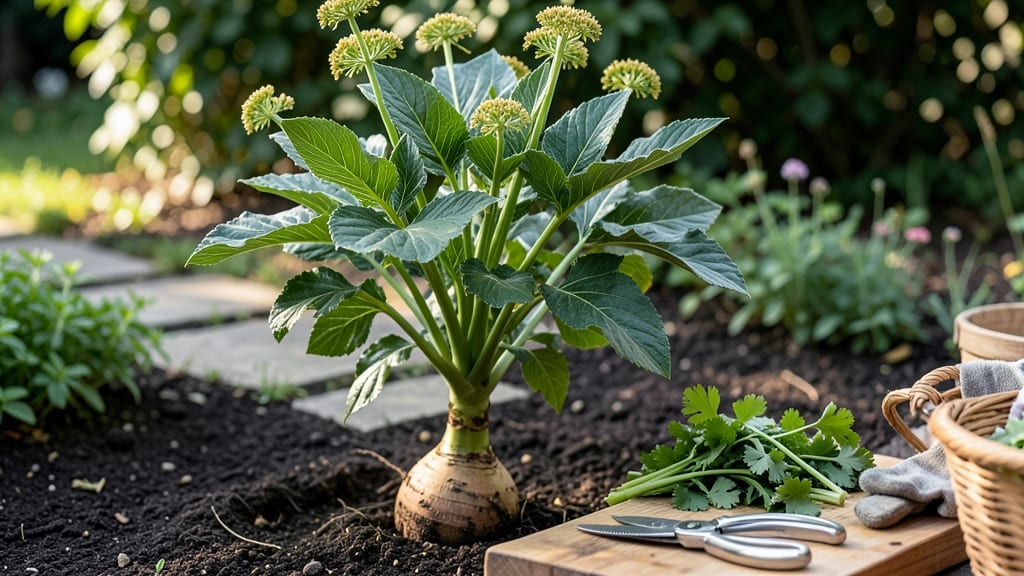
Harvesting lovage at 24 inches unlocks its boldest celery-like flavor 🌿 — but timing and technique make all the difference between a fragrant bounty and a bitter disappointment.
Picture this: You’ve waited months for your lovage to tower over your garden, only to chop it down too soon and end up with weak, flavorless stems.
Or worse, you over-harvest and watch your plant struggle to recover. The key? Knowing when to cut and how to do it without harming your plant.
In this guide, I’ll walk you through the exact moment lovage is ready for harvest, the tools you’ll need, and the step-by-step method to keep your plant thriving.
Whether you’re prepping for soups, teas, or homemade broths, you’ll learn how to maximize flavor while ensuring your lovage keeps growing strong for years to come.
Ready to turn your garden’s lovage into a culinary game-changer? Let’s dive into the best practices for a perfect harvest every time.


Optimal harvesting time: when to cut lovage stems for best flavor
Lovage reaches its peak flavor when stems hit 24 inches tall, but timing matters more than you might think. The first harvest should occur in late spring (May-June) when young leaves and stems are tender yet fully developed.
This early harvest encourages bushier growth and prevents the plant from becoming woody or bitter as it matures.
If you wait too long—past July or August—the stems become fibrous and lose their delicate celery-like taste. The science behind this lies in lovage’s secondary metabolites, which degrade as the plant shifts energy toward seed production. Harvesting before flowering preserves that fresh, aromatic profile we all love.
Seasonal timing also plays a role: Spring harvests yield the most tender leaves, while fall harvests (September-October) focus on mature stems for winter storage. The key is balancing stem height (24+ inches) with leaf maturity—both must be fully developed for optimal flavor.
Here’s how to spot ready-to-harvest lovage: stems should be upright and firm, leaves deep green and glossy, and the aroma intense when crushed. If leaves are yellowing or sparse, the plant is stressed or overripe.
| Harvest Stage | Stem Height | Leaf Condition | Best Flavor | Seasonal Window |
|---|---|---|---|---|
| Early Spring | 12–18 inches | Tender, lush | Mild, sweet | May–June |
| Peak Harvest | 24+ inches | Deep green, firm | Bold, celery-like | June–July |
| Late Season | 36+ inches | Woody, sparse | Bitter, fibrous | August–September |
Overripe lovage isn’t just less flavorful—it can damage your plant. When stems exceed 36 inches, the plant diverts energy to flower production, leaving leaves tough and bitter.
Worse, the root system weakens, reducing next year’s yield. Always harvest before flowering to maintain a healthy, productive lovage plant.
For continuous harvests, cut stems at a 45-degree angle just above a leaf node. This encourages new growth from the base while preserving the plant’s structure. Avoid cutting more than one-third of the plant at once to prevent shock.
Pro tip: Crush a leaf before harvesting—if it smells strongly aromatic, it’s ready. If it’s mild or musty, wait a few days. This quick scent test saves you from harvesting underripe or overripe stems.
In USDA Zone 6a, lovage’s harvest window spans June through September, but early morning harvests yield the freshest flavor. Wait until dew has dried (after 9 AM) to avoid waterlogged stems, which can lead to rot.
Remember: Flavor peaks at 24 inches, but leaf maturity matters just as much. Balance stem height with leaf condition for lovage that’s perfectly balanced in taste and texture.
Step-by-step harvesting technique: tools, cuts, and post-harvest care
Harvesting lovage correctly ensures you get the most flavor while keeping your plant healthy for future harvests. The key lies in using the right tools and making clean cuts at the perfect time.
I’ve learned that even a slight misstep—like cutting too close to the base—can weaken your plant and reduce its lifespan. Let’s break down the exact method I use to harvest lovage without damaging the roots or sacrificing flavor.
First, gather your harvesting tools. A sharp pair of bypass pruners is ideal for clean cuts, while a chef’s knife works for smaller stems. Avoid dull tools, as they crush stems and invite disease.
I also keep a small bowl nearby to collect any fallen leaves or stems that might still be usable. Pro tip: Disinfect your tools with rubbing alcohol before and after harvesting to prevent spreading pathogens.
- Select mature stems that are at least 24 inches tall and have developed leaves. These will have the strongest flavor.
- Avoid stems that are flowering or have yellowing leaves, as their flavor diminishes.
- Harvest in the morning when stems are crisp and full of moisture for the best flavor.
- Use sharp pruners to cut stems at a 45-degree angle, about 2-3 inches above a leaf node. This encourages regrowth and prevents disease.
- Avoid cutting into the woody base—this can harm the plant’s health and reduce future harvests.
- Leave at least 3-4 inches of stem attached to the plant to ensure it can regenerate.
- Store fresh stems in the fridge, wrapped in a damp paper towel, for up to 5 days. For longer storage, freeze stems in a sealed bag for up to 6 months.
- Revive wilted stems by trimming the ends and placing them in a glass of water for a few hours. This works best if you act quickly after harvest.
- Water the plant thoroughly after harvesting to help it recover and encourage new growth.
After harvesting, don’t toss any leftover stems or leaves! You can use them in teas, broths, or even as a natural pest repellent around your garden. I like to chop the smaller stems and freeze them in ice cube trays for easy use in cooking later.
This method saves space and keeps the flavor intact for months. Plus, it’s a great way to reduce waste and maximize your harvest.
If your lovage starts to look wilted after harvesting, don’t panic. Trim the ends of the stems and place them in a glass of water for a few hours. This trick can revive even the most droopy stems, giving you extra time to use them before they spoil.
Just remember to keep the water fresh and change it every few hours for the best results. With this method, you can extend the life of your harvest by up to a week.
Finally, always harvest lovage sparingly to ensure your plant stays healthy and productive. Over-harvesting can weaken the plant, reduce future yields, and even shorten its lifespan. By following these steps, you’ll enjoy a bountiful harvest of flavorful lovage for years to come. Happy harvesting! 🌿