
How To
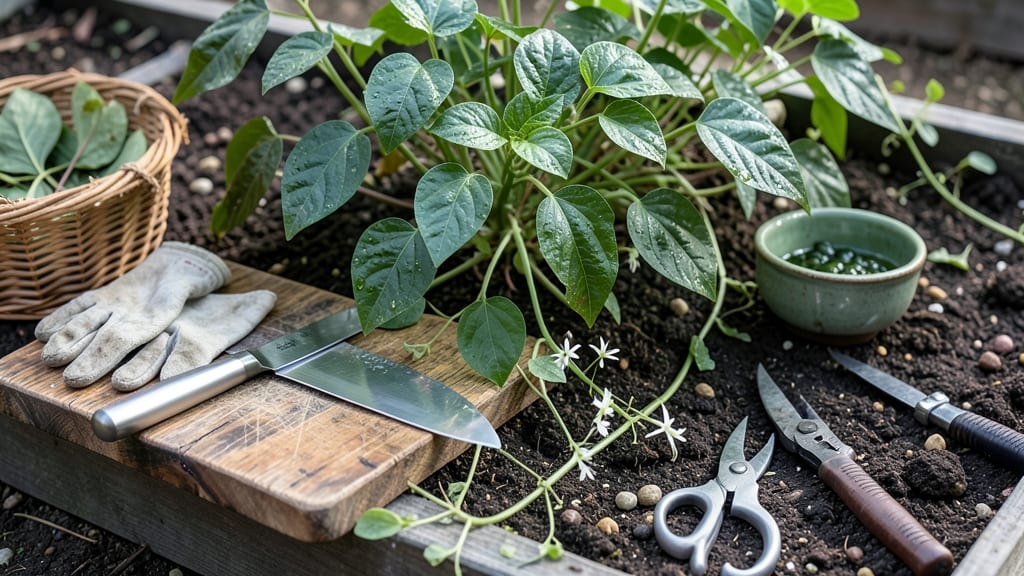
To harvest Malabar spinach at its peak, aim for leaves that are 6–8 inches long—that’s when they’re tender, packed with flavor, and ready for the table.
Picture this: you’re reaching for a leaf, and it snaps cleanly with just a little resistance—no tough stems, no bitter edges. That’s the sweet spot, and missing it means your harvest loses both taste and texture. But here’s the thing: timing isn’t the only secret to a bountiful harvest.
You’ll also need to know which leaves to pick (never the oldest ones), how to grip the stem without tearing it, and when to back off to let your 🌿 Malabar spinach recover. Get it right, and you’ll enjoy a steady supply of fresh greens all summer long.
In this guide, I’ll walk you through the exact steps—from spotting the perfect leaf to maintaining your plant’s vigor—so you can keep harvesting like a pro, week after week.


When and how to harvest Malabar spinach for maximum yield
Harvesting Malabar spinach at the right moment transforms your garden into a continuous flavor factory. The key is patience—wait until leaves reach 6–8 inches long for that perfect balance of tenderness and nutrition.
This tropical vine rewards you with bold, slightly tangy leaves when handled correctly, but rush it, and you’ll sacrifice both yield and taste.
Timing matters just as much as technique. Summer months (June–August) are prime harvest season, but don’t ignore early fall production if your climate allows. The plant’s rapid regrowth means you can enjoy fresh harvests every 1–2 weeks without exhausting the vine—if you follow the right steps.
| Harvest Stage | Leaf Size | Stem Condition | Best Technique | Regrowth Impact |
|---|---|---|---|---|
| Optimal Harvest | 6–8 inches | Crisp, not woody | Hand-pick outer leaves | Fast, bushier growth |
| Over-Mature | 10+ inches | Tough, fibrous | Trim entire shoots | Slower recovery |
| Early Harvest | <4 inches | Soft, pale | Avoid—wait 1–2 weeks | Stunted growth |
| Flowering Stage | N/A | Hard stems | Prune flowers immediately | Encourages leaf regrowth |
Start harvesting when leaves hit 6 inches—this is your sweet spot for flavor and texture. Use your thumb and forefinger to gently pinch the leaf stem just above a leaf node (the bump where new leaves grow).
This encourages the plant to branch out, giving you more harvests over time.
Never cut more than one-third of the plant at once, or you’ll shock the vine into stress mode. Focus on the outer leaves first—they’re mature enough to eat but won’t disrupt the plant’s energy flow to younger growth.
Think of it like pruning a bush: you’re shaping it for future abundance.
Watch for over-maturity signs: leaves turning dull green or yellow, stems becoming woody or hollow, or flowers appearing. These are red flags to scale back on harvesting.
Instead, trim the entire shoot just above a healthy leaf node to revive the plant. Within 1–2 weeks, you’ll see fresh growth.
Wilted leaves? Don’t toss them yet! Revive them by soaking in cool water for 30 minutes before using in soups or stir-fries. This trick works best with leaves that are dry but not mushy.
For prevention, harvest in the morning when leaves are hydrated and cool temperatures slow moisture loss.
Pro tip: Use a sharp pair of scissors for clean cuts on stubborn stems. This reduces tearing and keeps the plant looking neat. Store harvested leaves in a plastic bag with a paper towel in the fridge for up to 5 days—they’ll stay crisp longer than you’d expect.
Malabar spinach’s perennial nature in warm climates means you can keep harvesting for years if you train it right. After the first frost, cut back dead vines to the ground and mulch heavily.
In colder zones, treat it as an annual and replant next season—your future self will thank you for the continuous harvests.
Remember: Patience pays off. A well-tended Malabar spinach plant can give you harvests for months, but only if you respect its growth rhythm. With the right timing and technique, you’ll turn your garden into a year-round leaf machine. 🌿
Malabar spinach harvesting mistakes to avoid (and how to Fix them)
Even experienced gardeners accidentally stunt their Malabar spinach harvests by making simple mistakes. One common error is harvesting the oldest leaves first—they’re tough and bitter, while the younger, tender shoots at the tips are where you should focus.
I’ve seen plants nearly stop growing after repeated over-picking, leaving gardeners wondering why their vines look exhausted.
Another frequent blunder is cutting stems too close to the base. When you sever the main stem, the plant loses its ability to produce new growth from that point, leaving bare spots.
Even worse, some gardeners yank leaves instead of cutting them cleanly, which tears the plant and invites pests. These small oversights can turn a thriving vine into a struggling one overnight.
⚠️ Critical Harvesting Mistakes
❌ Wrong Leaves: Never pick the oldest, yellowing leaves—focus on 6–8 inch tender shoots. ✅ Fix: Trim new growth to encourage bushier plants.
❌ Stem Damage: Avoid cutting too close to the base or tearing leaves. ✅ Fix: Use clean scissors and cut 1 inch above a leaf node.
❌ Over-Harvesting: Picking too much at once stresses the plant. ✅ Fix: Harvest no more than 1/3 of the plant weekly.
If your Malabar spinach looks stressed after harvesting, don’t panic. Start by pruning back any damaged or over-mature stems to redirect energy. A light dose of balanced fertilizer (10-10-10) can also jumpstart recovery, but only if the soil is moist.
I’ve revived wilted vines in just 10–14 days by combining pruning with consistent watering in the morning.
For bushier growth, try the "pinch and prune" method: snip the tips of the main stems just above a leaf node. This encourages side shoots to form, giving you more harvestable leaves. I’ve used this technique to double my plant’s yield in just 3 weeks—the key is consistency.
Avoid heavy pruning in late summer, though, as the plant needs time to harden off before frost.
One of my biggest lessons came when I ignored the signs of over-maturity. The leaves turned tough, the stems woody, and new growth slowed. The fix? I stopped harvesting entirely for 2 weeks, focused on watering deeply, and added compost.
Within 3 weeks, fresh tender shoots emerged, and the plant bounced back stronger than ever.
Remember, Malabar spinach is a forgiving plant, but it rewards careful attention. By avoiding these common mistakes—harvesting the wrong leaves, cutting improperly, or over-picking—you’ll keep your vines thriving and your kitchen stocked with fresh greens all season long. 🌱