
How To
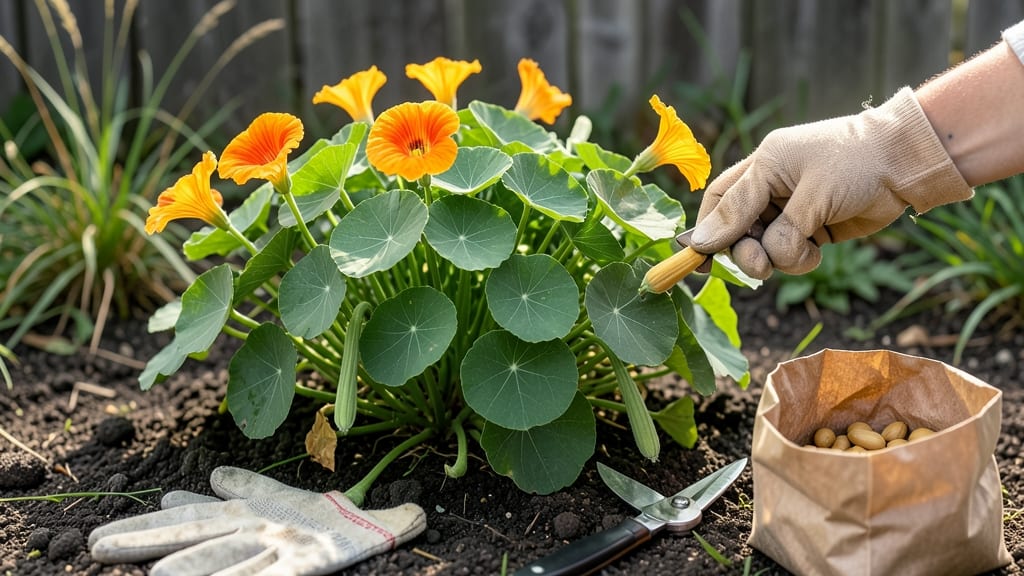
To harvest nasturtium 🌼 at their peak flavor and productivity, focus on timing—flowers and seed pods need precise attention before they overripen.
Nasturtiums aren’t just pretty—they’re edible powerhouses packed with peppery flavor and vibrant colors, but harvesting them at the right time ensures peak taste and productivity. Learn the precise timing and techniques to harvest both flowers and seed pods before they overripe, maximizing your garden’s bounty.
You might assume waiting for full bloom guarantees the best flavor, but that’s not always true. Harvesting flowers when they’re still in bud form preserves their delicate, peppery kick—ideal for salads or garnishes.
Meanwhile, seed pods should be picked just as they begin to brown for the best culinary or seed-saving results.
Below, I’ll walk you through the exact steps to harvest nasturtiums without damaging the plant, plus tips for storage and how to encourage continuous growth throughout the season.


When and how to harvest nasturtium flowers for maximum flavor and longevity
Harvesting nasturtium flowers at the perfect moment unlocks their brightest flavor and ensures your plants keep producing. Unlike many flowers, nasturtiums taste best when harvested at the bud stage—just as petals begin to unfurl. This peppery kick fades once flowers fully open, so timing is everything for culinary use.
For edible flowers, focus on fully open blooms with vibrant colors, but avoid letting them wilt on the stem. The leaves also pack flavor, so harvest them young and tender.
Mistakes like overharvesting or picking at the wrong stage can stress plants and reduce future blooms, so let’s dive into the best practices.
Comparison Table for Harvesting Nasturtium Flowers:
| Harvest Type | Best Time to Harvest | Visual Cues | Flavor Impact |
|---|---|---|---|
| Bud Stage Flowers | Petals just beginning to unfurl | 🌸 Closed but slightly open | Most intense peppery flavor |
| Fully Open Flowers | Petals completely spread | 🌼 Bright, vibrant colors | Milder flavor, best for garnishes |
| Seed Pods | When pods turn brown but before splitting | 🌱 Brown and slightly woody | Spicy, caper-like taste |
| Leaves | Young, tender leaves (3-4 inches) | 🍃 Dark green, firm texture | Fresh, slightly peppery |
To harvest nasturtium flowers, use clean, sharp pruning shears or simply pinch them off with your fingers. Always cut above a leaf node to encourage new growth.
For culinary use, remove any green calyxes (the leafy base) to avoid bitterness. I love adding these to salads or garnishing dishes—they’re a chef’s secret!
Never harvest overripe flowers or wilted blooms, as this weakens the plant and reduces future harvests. Instead, focus on morning harvests when flowers are hydrated and flavors are most concentrated. Store harvested flowers in a paper towel-lined container in the fridge for up to 3 days.
One of my biggest mistakes early on was harvesting fully opened flowers for garnishes instead of saving them for bud-stage picking. This led to weaker flavor and fewer new blooms. Now, I prioritize bud-stage flowers for cooking and save fully opened ones for decorative purposes.
For maximum regrowth, avoid harvesting more than one-third of the blooms at once. Nasturtiums are resilient but benefit from a balanced approach. If you’re growing them for continuous harvests, pinch back spent flowers regularly to redirect energy into new growth.
Did you know? Nasturtium flowers contain vitamin C and antioxidants, making them not just delicious but nutritious too. Their peppery flavor comes from naturally occurring mustard oils, which fade as flowers age. This is why timing your harvest is so critical!
If you’re growing nasturtiums in containers, be extra gentle when harvesting to avoid disturbing roots. These plants thrive in well-draining soil and full sun, but even in containers, they’ll reward you with bold flavors and vibrant colors if harvested correctly.
For long-term storage, try drying nasturtium flowers by hanging them upside down in a paper bag for 1-2 weeks in a dry, dark place. Once dried, they keep their flavor for months and make stunning ornamental decorations too. Just remember: fresh is best for culinary use!
Step-by-step guide to harvesting nasturtium seed pods for saving seeds or culinary use
Nasturtium seed pods are a gardener’s treasure—packed with nutrient-rich seeds and mild peppery flavor, perfect for saving for next year or adding to salads. But timing is everything: harvest too early, and the seeds won’t be viable; wait too long, and the pods burst open, scattering seeds everywhere.
The key is spotting mature but unopened pods—they’ll be plump, firm, and turning from green to a dull brownish-yellow hue.
Once you’ve identified the perfect pods, you’ll need to decide whether to use them fresh in the kitchen or dry them for long-term storage. Fresh pods add a crunchy texture and zesty kick to dishes, while dried seeds are ideal for planting.
Below, I’ll walk you through the exact steps to harvest, process, and store them—whether you’re a seed saver or a culinary enthusiast.
- 1 Wait for the right color: Harvest pods when they’re dull brownish-yellow but still closed and firm. Avoid pods that have split open or turned crispy—these seeds won’t germinate well.
- 2 Gently twist or snip: Use your fingers to twist pods off the stem or snip with clean scissors to avoid damaging the plant. Place pods in a paper bag to catch any stray seeds.
-
3
Decide: fresh or dried?
- Fresh pods: Slice open and eat raw in salads for a crunchy, spicy bite.
- Dried seeds: Spread pods on a paper towel in a dry, dark place for 1-2 weeks.
- 4 Crack open dried pods: Once completely dry, crush pods with a rolling pin or mortar and pestle to release seeds. Store seeds in an airtight container in a cool, dark place for up to 2 years.
- 5 Label and date: Always label seed packets with the variety name and harvest year to avoid confusion. Pro tip: Include the USDA zone if sharing seeds with others.
If you’re harvesting for culinary use, fresh pods are a must—slice them open and sprinkle the seeds and tender pods into salads, sandwiches, or even garnish soups. Their peppery, slightly tangy flavor pairs beautifully with creamy cheeses or rich meats.
For seed saving, dried seeds are your best bet: they’ll keep their viability for years, ensuring your next nasturtium crop is just as vibrant.
Pro tip: Harvest pods in the morning when they’re cool and dry. This reduces moisture, which can cause mold during the drying process. And if you’re growing nasturtiums for both flowers and seeds, leave a few pods unharvested—they’ll self-seed, giving you a head start next year.
Remember, nasturtiums are self-fertile, so even a single plant can produce hundreds of seeds. With the right harvesting techniques, you’ll have an endless supply of edible blooms, crunchy pods, and fresh seeds—all from one hardy, low-maintenance plant. Happy harvesting! 🌼