
How To
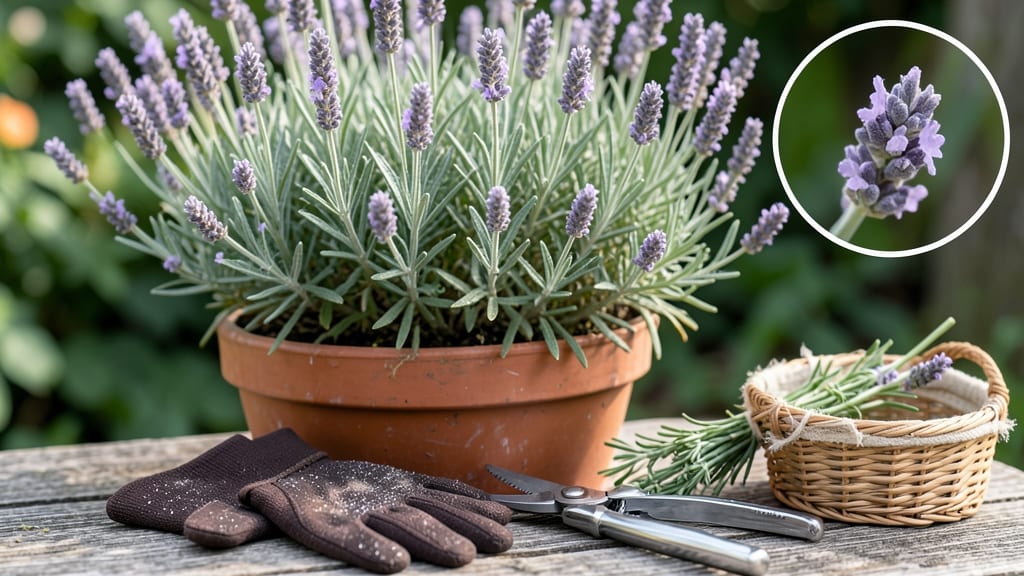
Harvesting lavender just before it blooms is the secret to drying bundles that smell like summer forever—packed with oil and color at their peak.
Picture this: you’ve spent months nurturing your 🌿 lavender, and now the moment of truth arrives. One wrong move, and you’ll end up with stems that crumble or lose their signature fragrance.
But get it right, and you’ll have drying lavender that fills your home with that unmistakable, soothing scent for months.
Timing matters more than you might think. In USDA Zone 6a, the best window is mid-to-late summer—when buds are swollen but haven’t yet opened. Rainy days or overripe flowers mean weaker scent and poor drying quality, so choosing the right moment is everything.
Below, I’ll walk you through how to spot the perfect harvest stage, the best weather conditions, and the simple trimming techniques that make all the difference. No more guesswork—just fragrant, beautiful lavender every time.


The best time to harvest lavender for drying: buds just before blooming
Timing your lavender harvest is the secret to fragrant, oil-rich stems that dry beautifully. The ideal window is when buds are swollen but unopened, typically mid-to-late summer in USDA zones 5-9. This stage ensures maximum essential oil content and vibrant color—critical for drying quality.
Harvesting too early means underdeveloped buds with weak scent, while waiting too long results in open flowers that crumble during drying. The pre-bloom stage is your sweet spot, where stems are firm and buds feel plump to the touch.
Why this timing matters: Lavender’s essential oils peak just before blooming, giving your dried bundles that luxurious, spa-like aroma. Over-mature buds lose oil potency and discolor quickly when dried, turning dull and brittle.
For USDA zones 5-9, aim for harvest between late June and early August. In cooler zones (5-6), start slightly earlier (late June), while warmer zones (8-9) can wait until early August. Always check bud development over weather dates.
| Stage | Bud Appearance | Stem Condition | Best For | USDA Zones |
|---|---|---|---|---|
| Too Early | Tightly closed | Soft, green | Weak scent | All |
| Perfect Harvest | Swollen, unopened | Firm, woody | Drying, oil | 5-9 |
| Too Late | Open flowers | Brittle, dry | Poor drying | All |
| Seasonal Window | Zones 5-6: Late June | Zones 7-9: Early August | Full sun, dry | 5-9 |
Morning is the best time to harvest—stems are hydrated and firm after overnight dew. Avoid harvesting after rain or late in the day, as moisture weakens stems and attracts pests.
Use clean, sharp pruners to cut stems at a 45-degree angle, about 6 inches from the base.
Pro tip: Crush a few buds to test fragrance. The strongest scent confirms peak oil content. If buds smell faint, wait 2-3 days—they’ll develop more oil. Over-mature lavender loses 30-50% of its scent by the time flowers fully open.
For repeat harvests, leave at least 1/3 of the plant intact to maintain growth. Over-harvesting stresses lavender, reducing next year’s yield. In USDA zone 9, you may get two harvests per season—first in June, then again in September.
After harvesting, remove lower leaves to prevent mold during drying. Bundle stems with twine or rubber bands, leaving 2-3 inches of stem exposed for hanging. Hang bundles in a dark, dry, well-ventilated space for 2-3 weeks—this preserves color and scent.
Remember: Patience pays off. Rushing the harvest or ignoring bud signals leads to dull, low-quality dried lavender. When done right, your bundles will smell like summer in a jar for years.
How to tell when lavender is ready for harvesting: visual & tactile cues
Knowing when to harvest lavender for drying is all about reading the plant’s visual and tactile cues. The ideal harvest window occurs when buds are fully formed but haven’t yet opened—this ensures the highest essential oil content and vibrant color.
If you wait too long, the buds will open, and the scent and oil potency will diminish. Let’s break down the key signs to look for in your lavender plants.
First, examine the bud clusters. At the perfect harvest stage, they should be swollen and tight, resembling small, closed flowers. The buds will feel firm to the touch with a slight woody texture at the stem base.
If the buds are still green and tightly closed, they’re not ready—harvesting too early means lower oil content and weaker fragrance. Conversely, if the buds have already opened into flowers, you’ve missed the sweet spot.
✅ Ideal Harvest Stage
| Sign | Description |
|---|---|
| Bud Stage | Swollen, closed buds (like small purple balls) |
| Stem Texture | Firm, slightly woody at base |
| Color | Deep purple or lavender hue |
| Aroma | Strong, sweet fragrance when crushed |
❌ Overripe or Underripe Signs
| Issue | What to Look For |
|---|---|
| Too Early | Tight, green buds; soft stems |
| Too Late | Open flowers; pale or drying buds |
Another critical cue is the color of the buds. At the perfect harvest stage, they should be a rich, deep purple or lavender. If the buds are still green or pale, they lack the full oil potency.
Conversely, if the buds have turned brown or dried out, you’ve waited too long, and the scent will be weak. Always harvest on a dry, sunny morning to avoid moisture, which can harm the drying process.
Don’t forget to crush a few buds between your fingers to test their fragrance. At the ideal harvest stage, the scent should be intense and sweet, almost overpowering. If the aroma is faint or grassy, the buds aren’t ready yet.
This tactile check is a quick way to confirm you’ve nailed the timing. Pro tip: Harvest lavender every 4-6 weeks during its growing season to encourage continuous blooming and more harvests.
Common mistakes include harvesting lavender after a rain shower or on a humid day, which can lead to mold during drying. Always wait for the plants to dry out completely before cutting. Additionally, avoid harvesting more than one-third of the plant at once to prevent stress.
If you’re unsure whether your lavender is ready, err on the side of caution—it’s better to harvest slightly early and wait a few days than to miss the sweet spot entirely.
With these visual and tactile cues, you’ll never miss the perfect moment to harvest lavender again. The key is patience and attention to detail—your dried lavender bundles will thank you with their vibrant color and intoxicating scent. Happy harvesting! 🌿