
How To
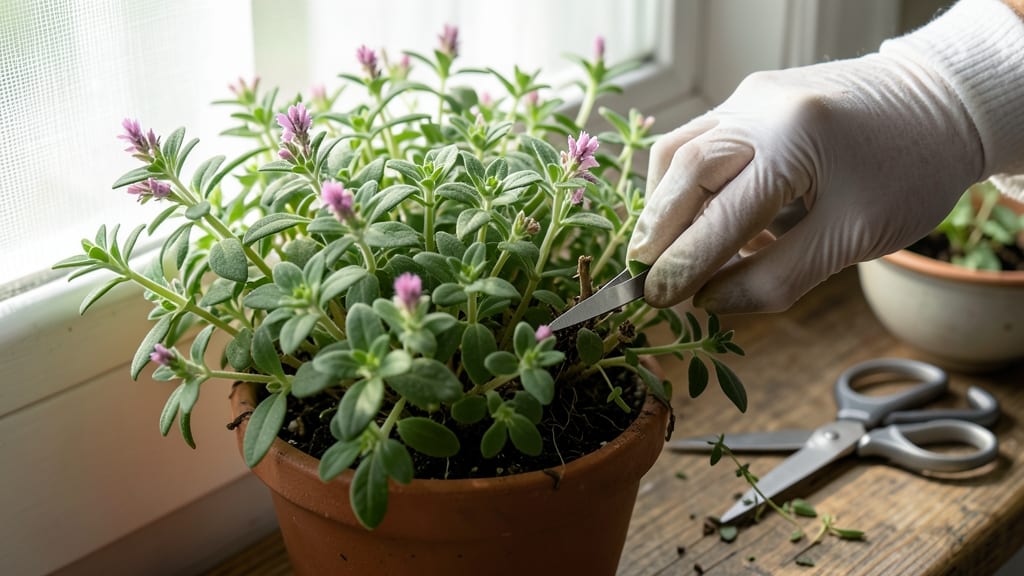
To harvest oregano so it keeps growing, start by trimming stems just before flowering—this simple step keeps your 🌿 oregano bushy and productive for years.
Did you know that improper harvesting can turn your thriving oregano plant into a struggling survivor? Over-trimming or cutting at the wrong time stresses the plant, slowing growth and even killing it if you’re not careful.
Timing matters most: harvest in the morning after the dew dries but before the heat peaks, and always cut 1/3 of the plant’s height to encourage new shoots. Avoid trimming woody stems or the base, as this can stunt regrowth.
In this guide, I’ll walk you through the exact techniques—when to prune, how often, and what to do with the cuttings—to keep your oregano thriving year after year, even in USDA Zone 6a.


The right time and method to harvest oregano without stunting growth
Harvesting your oregano at the right time ensures a bushier plant with longer-lasting harvests. Unlike many herbs, oregano thrives when you trim it regularly—but only if you follow the 1/3 rule and avoid cutting woody stems.
I’ve learned the hard way that harvesting too much or at the wrong time can leave your plant stunted or even dead. The key is timing: focus on spring through fall when growth is active.
Start harvesting when your oregano stems reach 6-8 inches tall and have fully developed leaves. The best time to harvest is in the morning after dew dries, when essential oils are most concentrated.
Avoid harvesting when the plant is flowering, as this signals the end of its productive cycle. Instead, trim just before buds form to encourage more leafy growth and a stronger flavor.
How to Harvest Oregano So It Keeps Growing
-
Step 1: Choose the Right Stems
Select healthy, non-woody stems with plump green leaves. Avoid cutting stems that are brown or dry—these won’t regrow. -
Step 2: Use Clean Pruners or Scissors
Sterilize your tools with rubbing alcohol to prevent disease. Cut stems at a 45-degree angle, about 1/4 inch above a leaf node. -
Step 3: Follow the 1/3 Rule
Never remove more than 1/3 of the plant’s growth in a single harvest. For example, if your oregano is 12 inches tall, trim only the top 4 inches of the tallest stems. -
Step 4: Trim Just Before Flowering
Stop harvesting 2-3 weeks before buds appear. This redirects energy to leaf growth instead of seed production, keeping your plant lush and flavorful. -
Step 5: Avoid Cutting Old Wood
Never trim stems that are hard or woody. These won’t regrow and can stress the plant. Focus on soft, green growth for best results. -
Step 6: Post-Harvest Care
After trimming, water lightly and apply a balanced fertilizer (like 5-10-10) to encourage new growth. Avoid heavy watering, as oregano prefers dry soil.
Your oregano’s growth cycle follows the seasons, so adjust your harvesting schedule accordingly. In spring and early summer, you can harvest every 4-6 weeks to encourage bushiness. During late summer and fall, reduce harvesting to every 6-8 weeks as growth slows.
By late fall, stop harvesting entirely and let the plant rest for winter.
One common mistake I see is over-harvesting in fall, which weakens the plant before winter. Oregano is perennial in warm climates, but even hardy varieties need a break.
In USDA Zone 6a or colder, mulch your oregano with 2-3 inches of straw to protect it from freezing temperatures. This ensures it regrows vigorously in spring.
If your oregano looks leggy or sparse after harvesting, it’s time to prune for shape. Cut back 1/3 of the plant’s height in early spring to encourage compact, bushy growth.
This also removes any dead or diseased stems that could harm the plant. Just remember: never trim more than 1/3 at once, or you risk stunting its regrowth.
For container-grown oregano, follow the same rules but be extra cautious. Pots dry out faster, so water lightly after harvesting to prevent root stress. If your potted oregano becomes root-bound, it’s a sign you’ve been harvesting too aggressively.
Repot in spring with fresh soil and reduce future harvests until the plant recovers.
To maximize your harvest, dry or freeze the trimmed stems instead of discarding them. Hang bundles upside down in a dark, dry place for 1-2 weeks, then strip the leaves for cooking or teas.
This encourages more regrowth while giving you a pantry staple. Just avoid overcrowding your drying space, or the leaves may mold instead of dry.
By mastering these harvesting techniques, your oregano will thrive for years, producing abundant, flavorful leaves season after season. The key is patience and moderation—never rush the process, and always prioritize the plant’s health over immediate yield.
Your efforts will pay off with a hardy, productive herb garden that keeps giving back. 🌿
How often to prune oregano for continuous bushy growth (with visual guide)
Pruning your oregano at the right times is the secret to keeping it bushy, flavorful, and productive for years. Unlike many herbs, oregano thrives when you encourage lateral branching—and that starts with a smart pruning schedule.
The key? Monthly trims during the growing season (spring to fall) paired with a hands-off approach in winter.
When done correctly, pruning doesn’t just yield more leaves—it rejuvenates the plant, prevents woody stems, and ensures a steady supply of fresh 🌿 oregano for cooking (or drying). But skip the wrong timing or technique, and you’ll end up with a leggy, sparse plant that struggles to recover.
Let’s break down the exact frequency and methods to keep your oregano lush and growing.
How to Prune Oregano for Bushier Growth
- 1. Trim in spring (March-April): Cut back 1/3 of the plant’s height to encourage new shoots after dormancy. Focus on outer stems to open the center.
- 2. Monthly pruning (May-September): Snip 6-8 inch stems just above a leaf node to promote branching. Never cut more than 25% of the plant at once.
- 3. Late summer flush (August-September): Lightly trim flowering stems to redirect energy to leaves. This prevents bitter flavor and keeps the plant productive.
- 4. Winter rest (October-February): Stop pruning entirely—let the plant recover. Only remove dead or woody growth in early spring.
Here’s the golden rule: Prune to encourage growth, not to harvest. If you’re only cutting what you need for cooking, you’re missing the chance to shape the plant for long-term productivity.
For example, in June, I trim my oregano plants every 4-6 weeks—not because I need the leaves, but to signal the plant to branch out and fill in.
What you do with the pruned stems matters too. Drying them is ideal for winter use, but if you’re not a fan of dried herbs, simply regrow the cuttings in water for a few weeks.
Place them in a jar with 1 inch of water, change it weekly, and watch roots form in 2-3 weeks. Transplant these into soil for instant new plants!
One common mistake is pruning too aggressively in fall, which stresses the plant before winter. Instead, taper pruning in September—focus on removing only the oldest stems and leaving the younger growth to harden off naturally. This prepares your oregano for dormancy while still keeping it healthy and resilient.
For container-grown oregano, prune slightly more frequently—every 3-4 weeks—since they have limited space to recover. In-ground plants can handle a slightly longer gap between trims, especially in USDA Zone 6a where winters are cooler. Just remember: less is more when it comes to winter pruning.