
How To
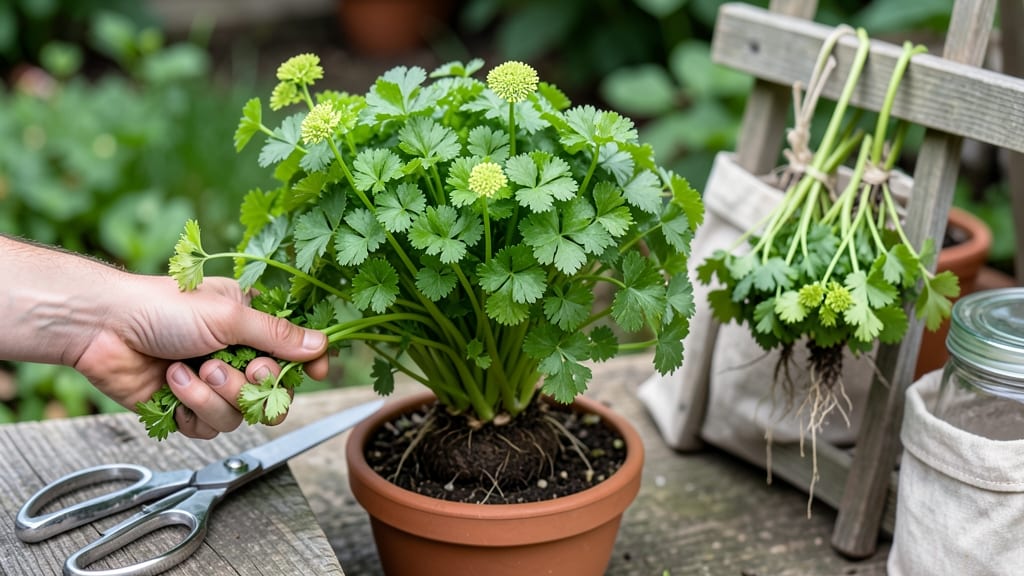
To harvest parsley to dry, start by cutting stems at the base when leaves reach 4-6 inches—this ensures maximum flavor and prevents bitterness.
Picture this: you’ve nurtured your parsley 🌿 all season, and now you want to preserve its bright, fresh taste long after the garden fades. The key lies in the trim-and-bundle method, a simple technique that locks in flavor while keeping your dried herbs free of mold or wilting.
Timing matters—harvest parsley in June through October when the plant is mature but before it bolts. A sharp knife or clean scissors makes all the difference, as jagged cuts slow drying and invite pests.
Inside, you’ll discover how to wash, bundle, and dry your parsley for up to a year of shelf life, plus storage tricks to keep it vibrant for soups, seasonings, and more.


Step-by-step guide to harvesting parsley for perfect drying
Harvesting parsley at the right time and using the proper trim-and-bundle technique is essential for preserving its bright green color and bold flavor. Unlike fresh parsley, dried parsley loses up to 30% of its essential oils if not handled correctly, so precision matters.
The key is to harvest when leaves are mature but not woody, typically 75-90 days after planting, when stems reach 4-6 inches tall with vibrant foliage.
Before you begin, gather these tools: a sharp pair of pruning shears, a clean kitchen towel, and rubber bands or twine for bundling. Avoid harvesting after rain or when dew is present, as moisture accelerates mold growth during drying.
Work in the early morning when essential oils are at their peak, ensuring maximum flavor retention in your dried bundles.
How to Harvest Parsley for Drying
- 1 Select the right stems: Choose healthy, mature stems with 4-6 inches of growth and bright green leaves. Avoid stems with yellowing leaves or flower buds, as these reduce flavor and quality.
- 2 Trim stems evenly: Use clean pruning shears to cut stems at a 45-degree angle, about 1-2 inches below the leaf clusters. This angle increases surface area for faster drying without damaging the plant.
- 3 Gently rinse stems: Hold stems under cool, running water for 5-10 seconds to remove dirt. Pat dry immediately with a clean towel—never shake the leaves, as this bruises them and speeds up spoilage.
- 4 Bundle stems securely: Group 5-7 stems together, aligning leaves downward. Tie bundles tightly with rubber bands or twine at the top and middle to prevent sagging. Loose bundles dry unevenly and risk mold formation.
- 5 Hang bundles upside-down: Suspend bundles in a dry, dark, well-ventilated space (like a pantry or closet) with 2-3 inches of space between them. Avoid direct sunlight, which causes nutrient loss and discoloration.
Proper stem trimming is critical—cutting too short reduces yield, while leaving too much stem creates woody texture in dried parsley. Aim for 1-2 inches of stem per bundle to balance airflow and structural integrity.
If your parsley plant is bolting (sending up flower stalks), harvest immediately to salvage leaves before they become bitter.
After hanging, parsley typically dries in 2-3 weeks, depending on humidity levels. Check bundles weekly: if leaves crisp easily and stems snap cleanly, drying is complete. Store dried parsley in airtight containers away from light to preserve its aromatic oils for up to 12 months.
For faster drying, use a dehydrator at 95°F (35°C) for 2-3 hours, but monitor closely to avoid over-drying.
One common mistake is overcrowding bundles, which traps moisture and leads to moldy parsley. Space bundles at least 2 inches apart and ensure the drying area has low humidity (below 50%). If you notice white or black spots during drying, remove affected bundles immediately to prevent spoilage.
For maximum flavor retention, harvest parsley multiple times during its growing season (every 4-6 weeks). This staggered harvesting ensures a steady supply of fresh-tasting dried parsley. Avoid harvesting more than 1/3 of the plant at once, as this stresses the roots and reduces future yields.
Once dried, crush leaves between your fingers to release their aromatic oils before using in soups, stews, or homemade seasoning blends. Dried parsley loses some volume—1 cup fresh parsley yields about 1 tablespoon dried. Adjust recipes accordingly to maintain the intended flavor profile.
🌿
Best drying conditions and timeframes for parsley
Once you’ve harvested your parsley with clean cuts, the next critical step is drying it properly to preserve its aromatic oils and vibrant color. The right temperature and humidity make all the difference between potent dried herbs and sad, brittle scraps.
Parsley thrives in warm, dry conditions between 70°F to 85°F (21°C to 29°C)—think of a cozy, airy kitchen or a sunny windowsill. Too much heat or moisture can cause mold growth or discoloration, so avoid hot ovens or damp basements.
Here’s how two popular methods compare for drying parsley—each with its own ideal timeframe and conditions:
| Method | Temperature | Humidity | Timeframe | Best For |
|---|---|---|---|---|
| Hang Drying | 70°F–85°F (21°C–29°C) | 30–50% | 1–2 weeks | Whole stems, large batches |
| Air Drying | 65°F–75°F (18°C–24°C) | 40–50% | 2–3 weeks | Small bundles, slow process |
For hang drying, bundle stems with twine and hang upside down in a dark, dry spot—like a pantry or closet. Check weekly to ensure no moisture lingers; if stems feel damp, extend drying time or adjust humidity with a small fan.
If you’re air drying parsley on a tray, spread stems in a single layer and cover loosely with a cloth to shield from dust. Stir bundles every few days to promote even drying—this prevents uneven moisture loss and keeps leaves crisp.
Once fully dry, your parsley should crush easily between fingers and have no moisture. Store in an airtight container away from light to lock in flavor for up to 12 months—just don’t forget to label it before you do!