
Vegetables
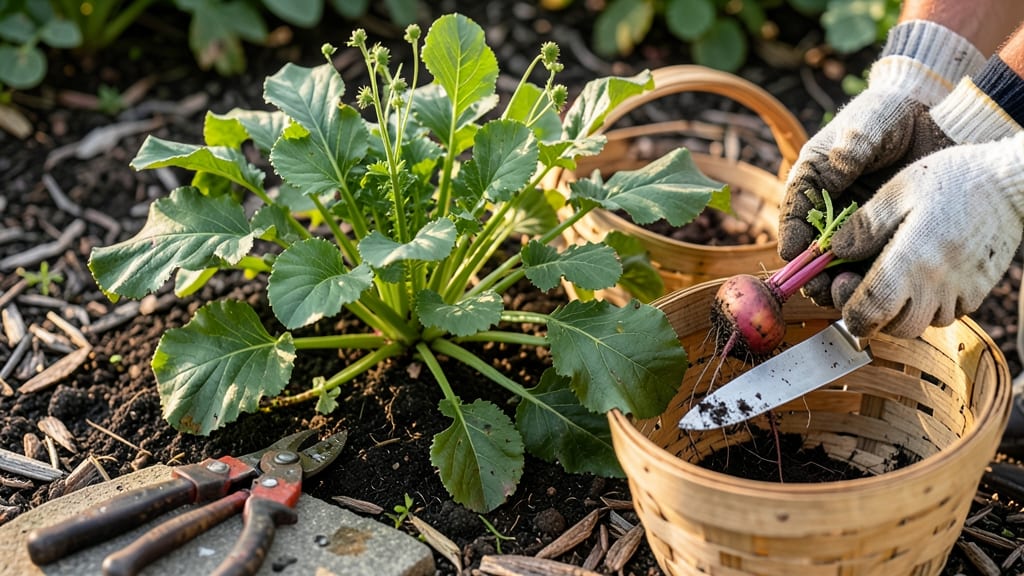
Harvesting beets at the right time turns earthy roots into sweet, tender 🍠 gems that store for months—here’s how to nail the beets harvest time every season.
Picture this: you dig up a beet that’s woody, bitter, or hollow. That’s what happens when you wait too long—or pull them too soon. The difference between a perfectly sweet beet and a tough one often comes down to just a few days of timing.
Most varieties are ready in 50–70 days, but watch for visual cues like lush, deep-colored leaves and roots about 1–2 inches wide. Soil conditions and climate play a role too—hot summers can speed up maturity, while cooler springs slow it down.
In this guide, I’ll break down the exact signs to look for, seasonal adjustments, and post-harvest tips to keep your beets fresh for months after harvest.

Optimal beets harvest time by variety and seasonal conditions
Timing your beets harvest correctly transforms ordinary roots into sweet, tender delights. Most varieties reach peak flavor between 50-70 days after planting, but this window shifts with seasonal temperatures and beet type. Cool weather enhances sweetness, while hot spells can make roots fibrous and bitter if left too long.
Baby beets—harvested at 1-2 inches in diameter—are perfect for salads and roasting. Mature roots, left to grow 3-4 inches, develop deeper flavors and store longer. The key? Watching both leaf growth and root development together for the best results.
Here’s how to align your harvest with beet varieties and seasonal conditions for maximum sweetness and texture:
Spring-planted beets thrive in cool (50-70°F) conditions, delivering the sweetest flavor when harvested in late spring to early summer. If you plant in late summer for a fall harvest, aim to pull roots 4-6 weeks before frost—this prevents woody texture and ensures storage potential.
Heat-loving varieties like 'Chioggia' (striped beets) tolerate warmer climates but still benefit from consistent moisture. Let them grow slightly larger (up to 3 inches) in hot weather, as they mature slower. Always check for firm roots and deep color—these are foolproof signs of readiness.
Overlooking seasonal cues can turn your harvest into a gamble. For example, Detroit Dark Red beets left too long in hot soil (>85°F) develop a tough, bitter core. Conversely, Golden beets harvested too early lack their signature sweetness. Balance days to maturity with weather forecasts for perfect timing.
Pro tip: Use a soil probe to check root size without digging. Gently wiggle the beet—if it slides out easily with minimal resistance, it’s ready. For baby beets, aim for 4-6 inches of leaf growth and 1-inch roots.
Larger varieties should have 6-8 inches of foliage and roots 2-3 inches wide.
Seasonal adjustments are key. In northern climates (Zones 3-5), prioritize spring harvests for tender roots. In southern zones (6-10), focus on fall planting to avoid summer heat stress. Always monitor leaf color—healthy greens signal optimal harvest timing, while yellowing leaves can mean overmaturity or nutrient deficiency.
For storage beets, harvest when roots are fully colored and firm to the touch. Cure them in a dry, shady spot for 2-3 hours post-harvest to toughen skins and extend shelf life.
With the right timing, your beets will stay crisp and flavorful for 3-6 months in a cool, dark space.
Signs your beets are ready to harvest (beyond the calendar)
Don't rely solely on the calendar when checking your beets harvest time. While most varieties mature between 55-70 days, real readiness comes from visual and tactile cues.
I've learned the hard way that overripe beets develop woody textures and hollow centers, so here's how to spot perfect timing in your garden.
First, examine the leaf color and size. Healthy beet greens should be deep green and lush, with leaves reaching 4-6 inches tall. Look for the outer leaves turning slightly yellow at the base—this signals the plant is redirecting energy to the root.
The center leaves should remain vibrant green, not wilted or brown.
⚠️ Warning: Overripe Beets
Don't wait too long! Beets left in the ground past 70 days develop woody cores and bitter flavors. Watch for these red flags:
- Leaves yellowing completely (not just at base)
- Roots feeling hard when pressed in soil
- Cracked or misshapen roots visible at surface
Pro Tip: Harvest golden beets slightly earlier (around 50 days) as they mature faster than red varieties.
The root size gives the clearest indication. For baby beets, aim for 1-inch diameter—these are perfect for quick cooking. Mature beets should reach 2-3 inches wide, with a rounded shape.
Gently squeeze the soil around the base—if the root feels firm and resistant, it's ready. A soft root means it needs more time.
Dig up one test beet from the outer rows first. Cut through the root—if it's deeply colored with no white rings near the center, you've got perfect timing.
White rings indicate the beet is overmature. I once harvested a batch with these rings and spent hours trying to salvage them for storage—don't make my mistake!
Seasonal factors also affect readiness. In hot climates, beets mature faster (sometimes in 45 days) and may need harvesting 2 weeks early to avoid bitterness. In cool seasons, they develop more slowly.
Pay attention to your local frost dates—if your area has an early frost, harvest before temperatures drop below 40°F.
After harvesting, cure your beets properly to maintain sweetness. Leave them in the sun for 1-2 hours to harden the skin, then trim the greens and store in a cool, dark place. With perfect timing, your beets will stay fresh for 3-4 months—worth the extra attention!