
How To
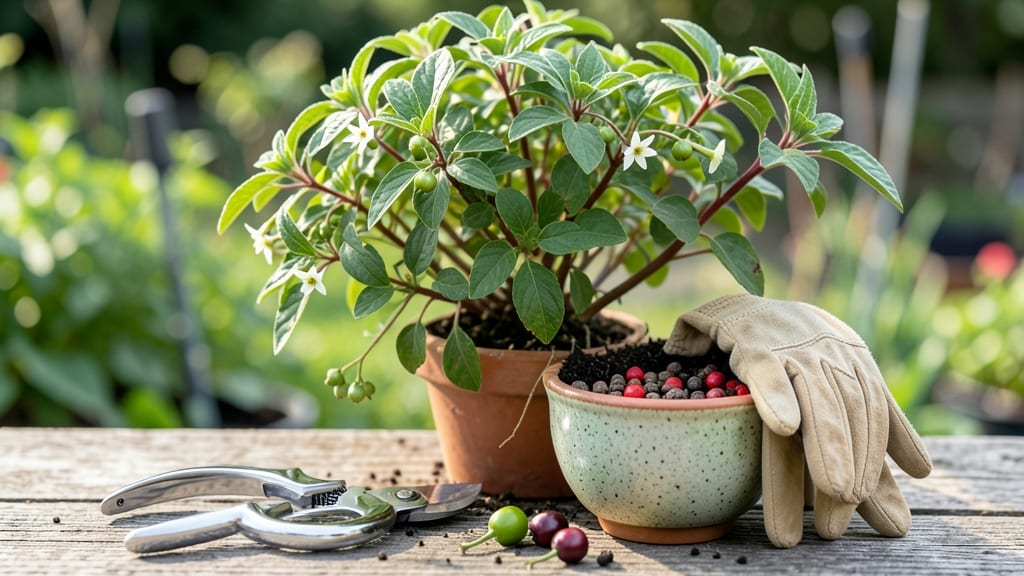
To harvest peppercorns at their peak flavor, wait until the pods turn deep brown and the seeds rattle inside like tiny maracas—this is when the magic happens.
Peppercorns may be tiny, but mastering their harvest transforms your kitchen spices from store-bought to gourmet. 🌶️ When those pods turn brown and seeds rattle inside, you’re just days away from culinary gold.
Harvesting at the right moment makes all the difference—too early, and the flavor is underdeveloped; too late, and the pods shatter, wasting your hard work.
Below, I’ll walk you through the exact cues to look for, the tools you’ll need, and how to dry and store your harvest for maximum potency.
Whether you’re growing Piper nigrum in tropical climates or other varieties in USDA zones 7a-10a, these steps will ensure you get the richest, most aromatic peppercorns possible.


How to identify perfectly ripe peppercorn pods for harvesting
Harvesting peppercorns at the right moment ensures maximum flavor and potency. Unlike most garden crops, these tiny spice berries undergo dramatic color transformations that signal readiness. Miss the window, and you’ll compromise both aroma intensity and yield quality.
I’ve learned the hard way—overripe pods lose their sharp kick and develop a bitter aftertaste.
Start by examining the berry color. Fresh peppercorns begin green and glossy, then gradually deepen to red or purple before finally turning black or dark gray when fully mature. This progression takes about 6-9 months from flowering, depending on your climate.
In my Zone 9a garden, I’ve found the transition from red to black happens fastest in late October.
The seed rattle test is my foolproof method. Gently shake a ripe peppercorn pod—if you hear a faint rattling sound, the seeds inside are fully developed. This tactile cue is more reliable than color alone, especially for green peppercorn varieties, which stay green but still reach peak ripeness.
I always test 3-5 pods from different branches to confirm consistency.
Don’t rely solely on color—pod firmness matters too. A perfectly ripe peppercorn should feel dry and slightly leathery to the touch. If it’s soft or mushy, it’s past its prime and will spoil quickly.
I use my thumb to press gently: the ideal pod resists slight pressure but still separates easily from the vine. Overripe pods often shrink and wrinkle, signaling they’ve lost moisture and flavor.
Timing is everything—harvest too early, and your peppercorns lack bold flavor profiles. Too late, and they become dull and mealy. For black peppercorns, aim for when 90% of berries have turned dark.
For red peppercorns, harvest when they’re fully bright red and firm. I’ve found that morning harvests yield the freshest pods, as evening dew can accelerate spoilage.
Common mistakes ruin harvests faster than you’d think. One big error is picking pods directly from the ground—always harvest from the vine to avoid broken stems and mold growth. Another is overcrowding during drying, which traps moisture and causes mold or fermentation.
I spread pods in a single layer on screen trays under a shade cloth for even airflow.
Seasonal variations affect ripeness too. In tropical climates, peppercorns may produce year-round harvests, while temperate zones see a single peak in fall. My Zone 7a garden yields best in November, but I’ve seen early harvests as soon as September in warmer microclimates.
Always monitor your specific plant’s progress—no two gardens ripen at the same pace.
Here’s how to compare ripeness stages at a glance:
Pro tip: Use a small magnifying glass to inspect pods for pest damage or disease spots before harvesting. I’ve salvaged entire batches by removing just the affected pods.
For large-scale harvests, I wear gardening gloves to protect my hands from the sharp vine tendrils and resin that can irritate skin.
Remember, peppercorn flavor peaks at harvest time—proper ripeness means the difference between store-bought blandness and homegrown intensity. Once you master these cues, you’ll transform your spice cabinet forever. Now grab those pruners and get ready to harvest like a pro! 🌿
Step-by-step peppercorn harvesting techniques for maximum yield
Harvesting peppercorns at the right time ensures bold flavor and high yield. Once the pods turn deep brown and seeds rattle inside, they’re ready. I’ve found that hand-picking works best for small batches, while branch cutting is ideal for larger harvests.
The method you choose depends on your plant’s size and your harvest goals.
Gather your tools first: pruning shears, gloves, and paper bags** for collecting pods. Avoid sharp tools that can damage the plant’s delicate branches. I always work on a dry, sunny day to prevent mold growth during drying. The goal is to harvest efficiently without stressing the plant.
How to Harvest Peppercorns
- 1 Inspect pods daily for deep brown color and firm texture. Gently squeeze to confirm seeds rattle inside.
- 2 Choose your method: Hand-pick individual pods or cut entire branches (3-4 inches long) with pruning shears.
- 3 Collect pods in paper bags to allow airflow. Label bags with the harvest date for tracking maturity.
- 4 Dry pods for 2-4 weeks in a well-ventilated area (60-70°F). Avoid direct sunlight to prevent burning.
- 5 Crack pods open once fully dry. Remove seeds and discard empty husks. Store seeds in airtight containers away from light.
For oven-drying, spread pods on a baking sheet at 140°F (60°C) for 1-2 hours. Monitor closely to avoid overheating, which can ruin flavor. I prefer air-drying for its gentler approach, but oven-drying speeds up the process—especially in humid climates.
After drying, test a few seeds for flavor. If they taste sharp and aromatic, your harvest is ready. Store seeds in glass jars with tight lids in a cool, dark place. Properly stored peppercorns retain flavor for 2-3 years, making your harvest worth the effort.
Remember, consistency is key. Harvest peppercorns in multiple batches over 2-3 weeks to avoid overloading the plant. This method ensures you get the most flavorful yield all season long. 🌿