
How To
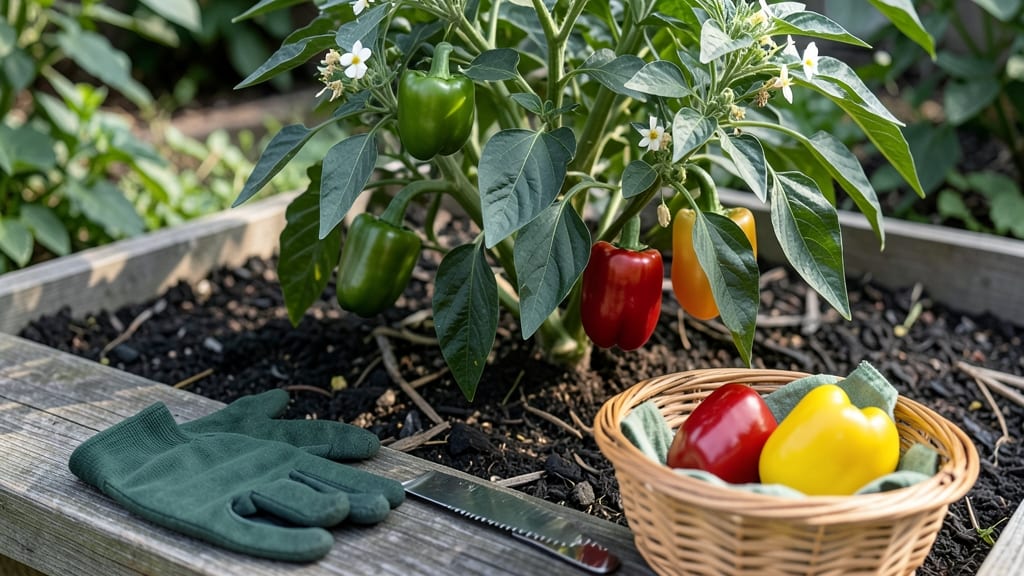
Harvesting peppers at the right time and with the right technique makes all the difference between a handful of sad, shriveled pods and a bountiful harvest of crisp, flavorful 🌶️ peppers.
Picture this: You’ve waited months for your pepper plants to thrive, only to pick them too early—and end up with bland, underripe fruit. Or worse, you snip too aggressively and damage the plant, stunting future growth.
The good news? Mastering a few simple tricks will turn your harvest into a game-changer for your garden’s productivity.
In this guide, you’ll learn exactly when to harvest based on color, size, and ripeness cues, plus the proper stem-cutting techniques that keep your plants happy and producing. No more guesswork—just a steady supply of peppers that burst with flavor.
From the ideal tools to use (spoiler: it’s not always your fingers) to post-harvest care tips that extend shelf life, we’ve got you covered. Let’s get started!


When to harvest peppers: color, size & ripeness signs for peak flavor
Timing your pepper harvest is everything—pick too early, and you lose sweetness; wait too long, and the fruit becomes tough or overripe. The key lies in understanding color cues, size benchmarks, and stem separation tests that signal peak ripeness for each variety.
Whether you grow bell peppers, jalapeños, or ghost peppers, these visual and tactile clues ensure maximum flavor and yield.
Most pepper varieties follow a predictable maturation timeline, but color isn’t the only factor. For example, green peppers (like bell peppers) can be harvested early for milder flavor, while red, yellow, or orange peppers develop their signature sweetness only after full ripening.
Even spicy peppers like habaneros or cayennes need specific ripeness indicators to reach their fiery potential. Let’s break down the exact signs to watch for, variety by variety.
🌱
Size matters just as much as color.
For bell peppers, aim for 3–5 inches in length—any smaller, and they’re underdeveloped; any larger, and the flavor becomes bitter. Jalapeños and serrano peppers should be harvested at 2–3 inches for optimal heat levels, while habaneros and ghost peppers reach peak spice at 1–2 inches.
Pro tip: Use a ruler or caliper for consistency, especially if you’re growing multiple plants.
Don’t rely solely on color—stem separation is your secret weapon. Gently twist the pepper near the stem; if it snaps cleanly (not tears), it’s ready. This test works for all varieties and confirms the pepper has fully matured.
For green peppers meant to stay green, harvest when the stem detaches with a slight tug, indicating the plant is redirecting energy to new growth. Overlooking this cue can lead to misshapen or tough peppers.
🌿
Seasonal timing also plays a role. In USDA Zone 6a, peppers typically reach harvest readiness between mid-July and October, but early varieties like ‘Early California Wonder’ can be ready as early as 60 days after transplanting.
Pay attention to your local frost dates—peppers won’t ripen after frost, so prioritize harvests in late summer if your season is short. For greenhouse-grown peppers, extend the season by
Proper stem-cutting techniques: tools, angles & post-harvest care for longevity
Once you’ve identified the perfect pepper for harvest, the next step is removing it without damaging the plant or the fruit. The way you cut—or don’t cut—matters more than you might think.
A clean, precise cut encourages faster regrowth and prevents disease from entering the stem. Plus, it keeps your peppers looking fresh and your plants producing for weeks longer.
Most gardeners reach for their fingers first, but pruners are your best friend for peppers. Hands can bruise the fruit or tear the stem, leading to slower healing and potential rot.
Pruners give you clean cuts every time, which is especially important for thin-skinned varieties like bell peppers or delicate chiles. I always keep a pair of sharp, bypass pruners (not anhedora) nearby—dull tools crush stems instead of cutting them.
Here’s the secret to a proper cutting angle: Aim for a 45-degree cut, about ¼-inch above a leaf node. This angle helps water run off the cut stem instead of pooling, which reduces the risk of fungal infections.
For thicker stems, like those on jalapeños or habaneros, a slight upward angle also prevents water from collecting in the cut. Think of it like trimming a hedge—you want the cut to heal cleanly and efficiently.
🌶️ Pro Tip: The 45-Degree Rule
Cutting at a 45-degree angle above a leaf node speeds up healing and reduces disease risk. For thick stems, angle the cut slightly upward to prevent water pooling. Always use sterilized pruners to avoid spreading pathogens between cuts.
After harvesting, your peppers need immediate attention to stay fresh. Place them in a single layer on a paper towel-lined tray, stem-side up, to allow air circulation. Avoid stacking or storing them in plastic bags—this traps moisture and accelerates spoilage.
For short-term storage (up to a week), keep them in the crispier drawer of your fridge, but never near ethylene-producing fruits like apples or bananas, which speed up ripening.
If you’re growing peppers for continued production, don’t let harvested peppers linger on the plant. Overripe peppers can signal the plant to stop flowering, cutting off future yields.
Instead, pick consistently every 2-3 days during peak season. This not only keeps your harvest coming but also encourages the plant to produce more flowers—and more peppers!
For long-term storage, ferment or dry your peppers to preserve them for months. Thinly slice jalapeños or serranos and lay them on a dehydrator tray at 135°F (57°C) for 4-6 hours, or air-dry them in a cool, dark place for 1-2 weeks.
Fermenting peppers in a 5% salt brine (like for hot sauce) locks in flavor and extends shelf life indefinitely. Both methods turn your harvest into year-round staples.
Finally, don’t forget to sterilize your tools between cuts. Wipe pruners with rubbing alcohol or a 10% bleach solution after every few peppers to prevent the spread of bacterial spot or powdery mildew.
A little prevention goes a long way in keeping your pepper plants healthy and productive all season long. 🌱