
How To
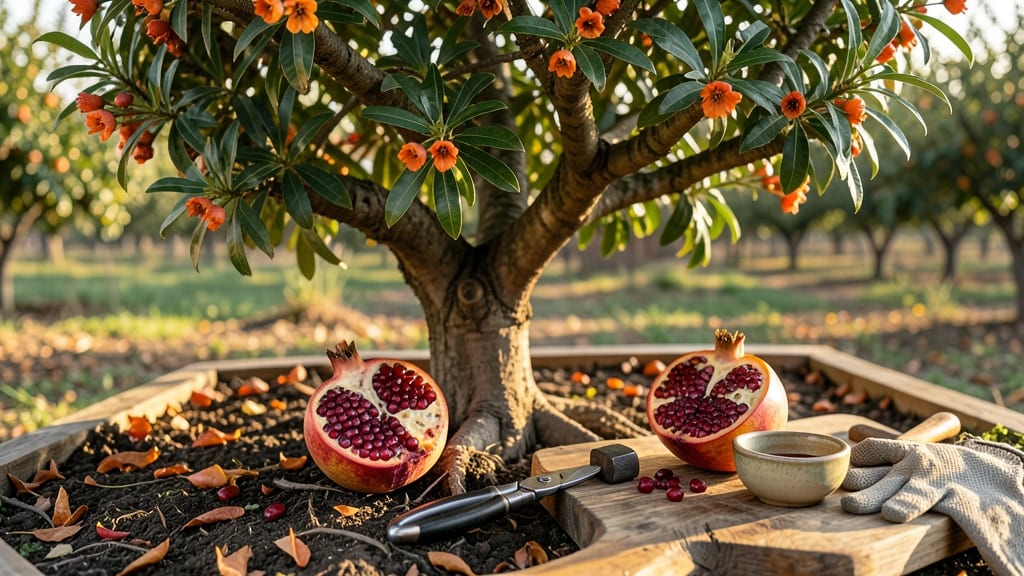
To harvest pomegranate seeds cleanly, you’ll need more than just ripe fruit—you’ll need the right tools and techniques to avoid turning your kitchen into a juice-stained war zone.
Tired of staining your kitchen while trying to extract pomegranate seeds for fresh juice? With the right techniques, you can harvest these jewel-like seeds cleanly and efficiently—no mess, no frustration.
Pomegranates 🍇 are packed with nutrient-rich seeds, but getting them out without the juice splatter can feel like solving a puzzle. The secret lies in simple tools—like a bowl of water or a colander—and a few smart tricks to keep your hands (and countertops) pristine.
Below, I’ll walk you through the easiest method for separating seeds from the fruit, plus tips for storing them so they stay fresh for juicing, baking, or snacking. Ready to turn harvest day into a breeze?


Step-by-step guide to cleanly harvesting pomegranate seeds
Harvesting pomegranate seeds can feel like a messy challenge, but with the right approach, you'll extract those ruby-red jewels without staining your hands or counters.
The key is patience and preparation—this isn't a race, but a methodical process that rewards you with clean seeds perfect for juicing, garnishing, or snacking. Whether you're a first-timer or a seasoned gardener, these steps will transform your experience from frustrating to foolproof.
Start by selecting ripe pomegranates—look for fruits with a deep, uniform red color and a slightly leathery skin. When you gently shake the fruit, you should hear the seeds rattling inside. This tells you the seeds are fully developed and ready for harvest.
Avoid overripe fruits, as they may burst open prematurely or attract pests. Once you've picked the perfect pomegranates, it's time to gather your tools and begin the extraction process.
Tools you'll need: a sharp knife, a cutting board, a large bowl, a colander, paper towels, and—most importantly—a pair of rubber gloves or a plastic bag to protect your hands from staining. Optional but helpful are a small spoon or fork for scraping seeds and a freezer bag for easy cleanup. Having everything ready before you start will make the process smoother and less messy.
How to Extract Pomegranate Seeds Without the Mess
- 1 Prep the fruit: Cut the pomegranate in half horizontally, using a sharp knife. Place the halves cut-side down on a cutting board to catch any juice that drips out.
- 2 Score the membrane: Use the tip of your knife to gently score the white membrane separating the seeds from the rind. This creates small openings without damaging the seeds.
- 3 Freeze for 10 minutes (optional): Place the pomegranate halves in the freezer for 10 minutes to firm up the membrane. This makes it easier to separate the seeds without crushing them.
- 4 Extract the seeds: Hold the pomegranate half over a large bowl and gently tap the back with a spoon or fork. The seeds will pop out cleanly through the scored membrane. Avoid pressing too hard to prevent seed damage.
- 5 Rinse and dry: Place the seeds in a colander and rinse them under cold water to remove any lingering juice or membrane bits. Spread them on a paper towel to dry completely before storing.
If you're still worried about staining your hands, try this pro tip: wear rubber gloves or place the pomegranate halves inside a plastic bag before tapping them. The bag will catch any juice that sprays out, and you can easily tie it shut for cleanup.
For even more efficiency, freeze the entire pomegranate for 30 minutes before cutting—this makes the membrane brittle, so the seeds pop out with minimal effort.
Once you've extracted all the seeds, it's time to clean them thoroughly. Place them in a colander and rinse under cold water to remove any remaining juice or membrane residue. Shake the colander gently to dislodge stubborn bits.
For extra cleanliness, you can soak the seeds in a bowl of cold water for 5 minutes, then drain and rinse again. This step ensures your seeds are pristine and ready for use in recipes or storage.
Safety is always a priority, especially when working with sharp tools. Always use a sharp knife to cut the pomegranate, as a dull blade can slip and cause injury. Keep your fingers curled under while tapping the fruit to avoid accidental pokes.
If you're working with children, supervise them closely—this process involves small seeds and sharp objects. With these precautions, you'll harvest your pomegranate seeds safely and efficiently.
After harvesting, store your seeds in an airtight container in the refrigerator for up to a week, or freeze them for longer storage. For immediate use, like juicing or garnishing, you can skip storage and use them fresh. The key is to keep them dry to prevent mold or spoilage.
If you're planning to juice them, you can store the seeds in a freezer bag with a paper towel to absorb any moisture—this keeps them fresh for months.
Don’t let the fear of mess hold you back from enjoying fresh pomegranate seeds! With these steps, you'll harvest them cleanly, efficiently, and with confidence.
Whether you're making homemade pomegranate juice, adding seeds to salads, or using them as a garnish, your effort will pay off in delicious, vibrant results. Happy harvesting!
Best tools and tricks to avoid juice mess while harvesting
Harvesting pomegranate seeds doesn’t have to be a messy ordeal. The right tools and techniques can make all the difference—whether you’re prepping for fresh juice, garnishes, or baking.
A simple colander or even a bowl of water can transform your kitchen into a clean workspace, saving you from stained counters and sticky fingers.
I’ve tested multiple methods over the years, and some tools stand out for their efficiency and minimal mess. For example, using a large bowl of water lets the seeds sink while the pulp floats, making separation effortless.
Other gardeners swear by cutting the fruit in half and scooping seeds directly into a colander—both work, but one might suit your style better.
Here’s a quick comparison of the best tools and tricks to keep your harvest clean and your kitchen mess-free:
My personal favorite is the bowl of water method—it’s foolproof and requires minimal cleanup. Simply cut the pomegranate in half, scoop the seeds into the water, and let them sink while the pulp floats to the top.
Skim off the pulp, drain the seeds in a colander, and rinse them under cold water for a clean harvest every time.
If you’re dealing with a large harvest, try freezing the fruit first. The cold makes the seeds easier to separate, and the mess is significantly reduced. Plus, it’s a great way to prep ahead for juicing or baking without the hassle of immediate cleanup.
For those who prefer hands-on methods, a colander and a spoon work well, but be prepared for a slightly messier process. Place the colander over a bowl, cut the pomegranate, and gently scrape the seeds into the colander—the pulp will fall through while the seeds stay put.
No matter which method you choose, always wear disposable gloves if you’re sensitive to stains or prefer to keep your hands clean. With these tricks, you’ll harvest pomegranate seeds like a pro—no juice splatter in sight! 🍇