
How To
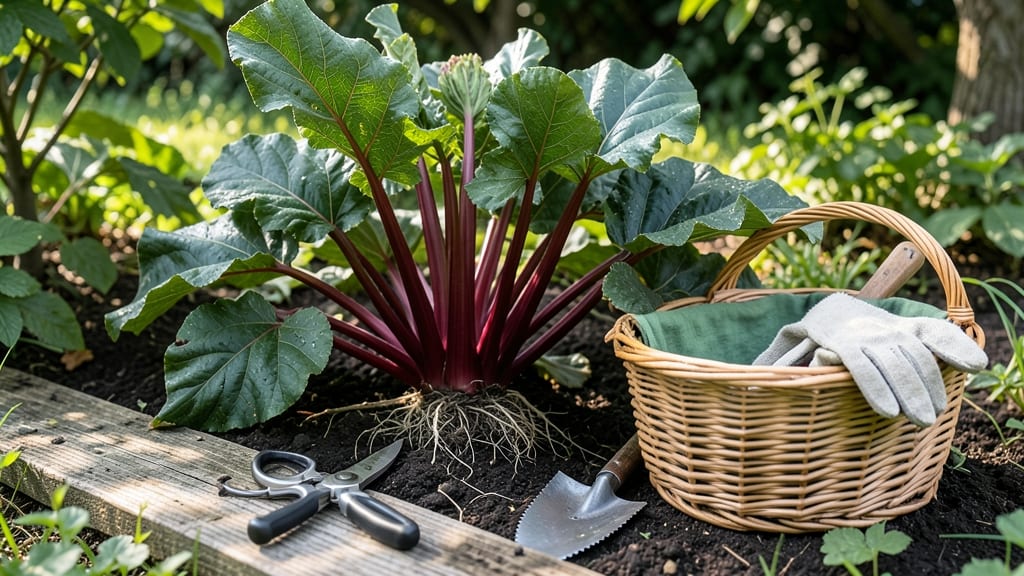
Harvesting rhubarb stalks at 10 inches tall unlocks the sweetest, most tender flavors—before they turn sour or woody.
Picture this: you’ve waited all spring for those vibrant pink stalks to emerge, only to chop them down too early and end up with a tart, stringy mess.
The difference between a stellar harvest and a disappointing one often comes down to timing, technique, and knowing exactly when to pull those stalks for peak flavor. I’ve made every beginner’s mistake—over-harvesting, cutting the wrong parts, and ignoring the plant’s signals—so you don’t have to.
In this guide, I’ll walk you through the exact steps to harvest rhubarb without damaging the plant, from the best tools to use to how to tell when stalks are ready (and when they’re not).
You’ll also learn how to care for your rhubarb after harvesting to ensure it keeps producing year after year, plus common pitfalls that even experienced gardeners fall into.
By the end, you’ll know not just how to harvest rhubarb stalks, but when and why—so your next batch of rhubarb pie or compote tastes like a pro’s. Let’s get started.


When to harvest rhubarb stalks for maximum sweetness and flavor
Timing your rhubarb harvest is everything—wait too long, and you’ll get tough, fibrous stalks. Harvest too early, and the flavor falls flat. The sweet spot arrives when stalks reach 10-12 inches tall, with vibrant color and a firm yet pliable texture.
This window typically opens in late spring, about 1-2 years after planting, when your rhubarb has established a robust root system.
Young plants (first year) produce only leaves—never harvest stalks from them. Even in year two, limit harvesting to 2-3 stalks per plant to avoid stressing the crown.
By year three, mature plants yield generously, but never take more than one-third of the stalks at once to ensure regrowth.
Seasonal cues matter too. In USDA Zone 6, harvest begins in May and peaks through June, tapering off by July as stalks toughen. Cooler climates may delay harvest by 2-3 weeks, while warmer zones might start earlier.
Always check stalks for bright color and clean snap—these are your go-to indicators.
Pro tip: Harvest in the morning after dew has dried but before the sun intensifies. Stalks are crispest then, and you’ll avoid the sour tang that develops later in the day. Avoid harvesting after frost or during extreme heat, as both stress the plant and dull flavor.
| Harvest Stage | Stalk Height | Plant Age | Season | Visual Cues |
|---|---|---|---|---|
| First Harvest | 10-12 inches | Year 2+ | Late Spring | Bright color, firm texture, snaps cleanly |
| Peak Harvest | 12+ inches | Year 3+ | May-June | Vibrant hue, no woody core, tender leaves |
| Late Harvest | 8-10 inches | Year 2+ | Early July | Paler color, slightly fibrous, avoid over-harvesting |
| Avoid Harvesting | <8 inches | Year 1 | Anytime | Woody stalks, soft texture, no color development |
Variety also influences harvest timing. Cherry rhubarb matures faster (8-10 inches), while Victoria or Strawberry types need full 12 inches for peak sweetness. Always prioritize stalks over leaves—never remove more than 20-30% of leaves, as they fuel photosynthesis for next year’s crop.
A healthy plant will regrow stalks within 6-8 weeks of proper harvest.
Watch for color consistency across stalks—uneven hues signal uneven maturity. For example, green-tipped stalks are underripe, while deep pink/red ones are prime. If stalks feel spongy or hollow, they’ve overmatured and should be composted to avoid attracting pests.
Always harvest with a clean, sharp knife or pruners, cutting at a 45-degree angle just above the leaf base.
Post-harvest care is just as critical. After cutting, water the plant deeply to replace moisture loss and apply a light mulch (2-3 inches) to retain soil moisture. Avoid fertilizing immediately—wait 4-6 weeks to let the plant recover.
In Zone 6, this means a late June feeding at the latest to prep for next year’s growth.
Overharvesting in the first year can kill your rhubarb plant—its roots are still developing. If you’re impatient, focus on leaf care instead: healthy leaves = better stalks next season. And remember, patience pays off—a well-cared-for rhubarb plant can produce for 15+ years with minimal effort.
For container growers, harvest timing shifts slightly due to limited root space. Potted rhubarb may need stalks 1-2 inches shorter to avoid stressing the crown. Always check soil moisture—containers dry out faster, and stressed plants produce smaller, less flavorful stalks. A self-watering pot helps maintain consistency.
🌱
Step-by-step guide to harvesting rhubarb without damaging the plant
Harvesting rhubarb the right way ensures your plant thrives for years to come. The key is selective cutting—never removing more than one-third of the stalks at a time. I’ve learned this the hard way: over-harvesting in the first year can kill your plant entirely.
Focus on healthy, mature stalks (10–12 inches tall) while leaving the crown and leaves intact to fuel next year’s growth.
Before you grab your shears, gather the right tools. A sharp pruning knife or clean scissors is essential—dull tools crush stalks, inviting disease. I also recommend wearing gloves (the leaves contain oxalic acid, which can irritate skin).
Work on a dry, sunny morning when stalks are firm and less likely to tear. This small attention to detail makes all the difference in post-harvest plant recovery.
How to Harvest Rhubarb Stalks
- 1 Wait for stalks to reach 10–12 inches tall. Measure from the soil line—any shorter, and they’ll be sour and stringy.
- 2 Cut stalks at a 45-degree angle. Use a clean knife 1–2 inches above the soil line to avoid damaging the crown. Never pull stalks—they’ll tear and leave ragged wounds.
- 3 Leave the leaves attached. They photosynthesize sunlight to nourish the crown for next year’s harvest. Only remove leaves if they’re yellowed or diseased.
- 4 Harvest selectively. Never take more than one-third of the stalks in a single session. In the first year, harvest only 1–2 stalks to encourage root establishment.
- 5 Clean tools between cuts. Wipe your knife with rubbing alcohol to prevent spreading bacteria or fungi between stalks.
After harvesting, your rhubarb needs immediate care to bounce back. Water deeply (1–2 inches) within 24 hours to replace lost moisture. I also add a 2-inch layer of mulch around the base to retain soil moisture and suppress weeds.
Avoid fertilizing right after harvest—wait until new growth appears in late summer to apply a balanced 10-10-10 fertilizer.
Pay attention to your plant’s signals in the weeks following harvest. If leaves wilt or turn yellow, you’ve over-harvested. If stalks bolt (send up flower stalks), reduce future harvests—the plant is prioritizing reproduction over growth.
My rhubarb once bolted after a heavy first-year harvest, and it took two years to recover. Patience and moderation are key!
With the right technique, your rhubarb will reward you with larger, sweeter stalks each year. Start small, follow these steps, and soon you’ll be the gardener with the juiciest rhubarb in the neighborhood—ready for pies, compotes, or whatever your heart desires. Happy harvesting! 🌱✂️