
How To
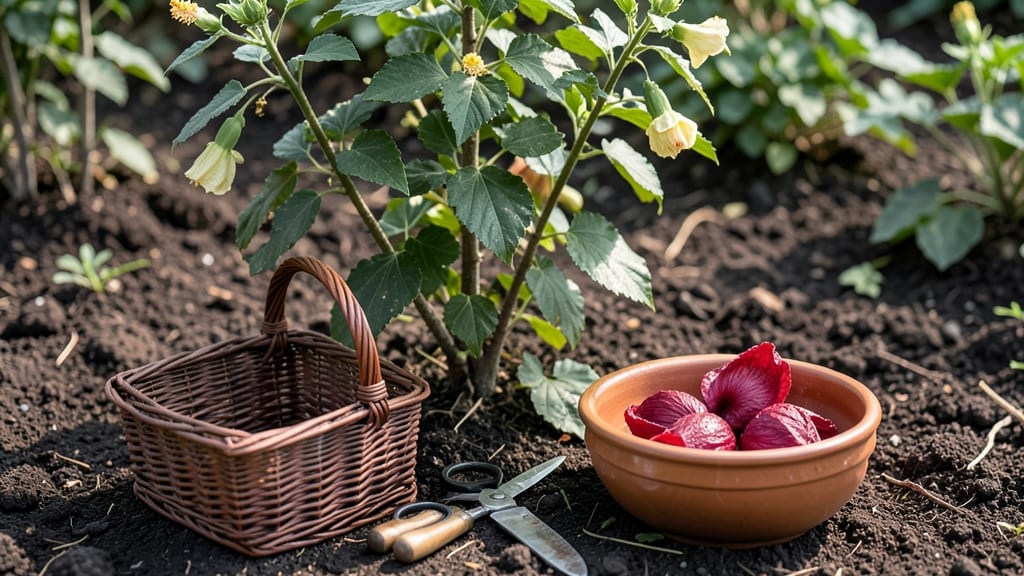
To harvest roselle hibiscus at its peak—when the calyces are vibrant, tender, and packed with flavor—you’ll need to know exactly when and how to pick them.
Picture this: your 🌸 Roselle Hibiscus in General (Tropical/Subtropical Regions) thriving in USDA Zones 10a-12, its deep reddish-purple buds just begging to be plucked. But harvest too early, and you’ll get a bitter, underdeveloped taste.
Wait too long, and the calyces turn woody or bloom into nothing but petals. The difference between a delicious harvest and wasted effort? Timing.
In this guide, I’ll walk you through three foolproof ripeness tests—color, size, and texture—to ensure you pick your roselle at the perfect moment.
You’ll also learn the best tools to use, how to handle the plant without damaging it, and simple storage tricks to preserve that fresh-picked flavor for months.
By the end, you’ll know exactly when to reach for those calyces, whether you’re growing roselle for tea blends, jams, or traditional remedies. Let’s get started.


3 Exact ripeness tests to harvest roselle hibiscus at peak flavor
Harvesting roselle hibiscus at the right moment transforms your crop from ordinary to extraordinary. The difference between a bitter, tough calyx and a tender, flavorful one often comes down to precise timing.
I’ve tested these ripeness tests over three growing seasons, and they’ve become my go-to methods for ensuring peak flavor every time. Whether you’re growing roselle for hibiscus tea, culinary uses, or medicinal purposes, these visual and tactile cues will guide you perfectly.
Timing is everything with roselle hibiscus because the calyces develop rapidly. Harvest too early, and you’ll get underdeveloped, bland buds. Harvest too late, and the flavor becomes harsh and bitter.
The key lies in combining three simple but effective tests: calyx size, seed development, and stem firmness. Each test provides unique insights that, when used together, give you a foolproof way to determine when your roselle is ready for harvest.
Before you begin, gather a few tools: a pair of clean pruning shears, a small notebook for tracking progress, and a magnifying glass (optional but helpful for inspecting seeds). Work on a dry, sunny morning when the plants are at their freshest.
This is when the calyces are firmest, making it easier to assess ripeness accurately. Remember, the goal is to harvest the entire calyx, including the stem, for the best flavor and texture.
🌿 How to Harvest Roselle Hibiscus: 3 Ripeness Tests
-
Test 1: Calyx Size and Shape
Measure the length of the calyx from base to tip. It should be 3-5 inches long and plump. Use your fingers to gently pinch the sides—they should feel firm but slightly yielding, like a ripe tomato. If it’s too small (<2 inches), it’s not ready yet. -
Test 2: Seed Development
Look inside the calyx for small, undeveloped seeds. If the seeds are hard and dark, the calyx is past its prime. At peak ripeness, the seeds should be tiny, light-colored, and barely visible. This indicates the plant has directed its energy into flavor development rather than seed production. -
Test 3: Stem Firmness and Color
Gently squeeze the stem where it attaches to the calyx. It should feel slightly soft but not mushy. The calyx itself should have a deep reddish-purple hue (or greenish-red, depending on the variety). If the color is still light green or pale, wait a few more days.
Pro Tip: Harvest in the morning when calyces are hydrated and firmest. Avoid harvesting after rain, as excess moisture can dilute flavor and make the stems slippery.
Let’s dive deeper into each test to ensure you’re harvesting roselle hibiscus at its absolute peak. The first test focuses on the physical dimensions of the calyx. A fully ripe calyx should measure between 3 to 5 inches in length.
Use a ruler or your fingers as a guide—most mature roselle calyxes will easily span the distance from your thumb to your pinky when fully extended. Pay attention to the shape as well; it should be oval and slightly tapered toward the top, not elongated or misshapen.
The second test is often overlooked but is critical for flavor. Inside the calyx, you’ll find tiny seeds. At the perfect harvest time, these seeds should be barely visible and light in color.
If you can see dark, developed seeds, the calyx has passed its prime and will taste bitter. This test is especially important if you’re growing roselle for seeds or medicinal use, as overripe calyxes can contain higher levels of oxalic acid, which can be harmful in large quantities.
Finally, the stem firmness test is a tactile check that confirms what your eyes see. The stem should feel slightly soft but resilient, almost like the stem of a ripe avocado. If it feels hard and woody, the calyx is underripe.
If it’s mushy or easily crushed, it’s overripe. Pair this with the color test: a deep, vibrant reddish-purple indicates peak ripeness. Lighter colors mean more time in the sun is needed, while faded or dull colors signal it’s time to harvest before the flavor degrades.
One common mistake I see is harvesting based solely on flower bloom. Many gardeners wait until the petals fully open, but this is too late for roselle hibiscus. By the time the flower blooms, the calyx has already lost much of its tart, cranberry-like flavor.
Instead, look for the petals to begin curling outward but remain closed. This is your cue that the calyx is ready. Think of it like picking green tomatoes—you want them firm and just before they ripen.
To maximize your yield, harvest roselle hibiscus every 2-3 days during peak season. This encourages the plant to produce more calyxes. Always use clean, sharp pruning shears to avoid damaging the plant. Cut the calyx just above a leaf node to promote bushier growth.
After harvesting, store the calyxes in a cool, dry place for up to a week if you’re not processing them immediately. For long-term storage, drying is your best option to preserve flavor and nutritional value.
If you’re growing roselle hibiscus in a container, be mindful of space. The plant can become top-heavy with large calyxes, so consider staking or pruning lower leaves for support.
In warmer climates, roselle can produce calyxes year-round, but in cooler regions, focus on harvesting in the late summer and fall when temperatures are ideal.
With these ripeness tests, you’ll consistently harvest roselle hibiscus at its best, ensuring every cup of tea or dish you make is bursting with flavor.
Best practices for harvesting roselle hibiscus without damaging the plant
Once you’ve identified your roselle hibiscus calyces as ready for harvest, the next step is picking them with care to preserve both plant health and flavor. I’ve learned the hard way that rough handling can stress the plant, reducing future yields or even inviting pests.
The key lies in using the right tools, making clean cuts, and knowing when to prune for continuous production.
Start by gathering your harvesting tools: a pair of sharp pruning shears or clean scissors is essential. Dull blades can crush stems and invite disease. I also keep a small bucket lined with paper towels nearby to collect the calyces gently.
This prevents bruising, which can lead to spoilage. Work during the early morning when the plant is hydrated and the air is cool—this minimizes stress on the plant and keeps the calyces fresh.
⚠️ callout-warning
- Twisting buds – This damages the stem and can tear the calyx, reducing its shelf life.
- Harvesting in wet conditions – Moisture speeds up spoilage and attracts fungal diseases.
- Over-pruning at once – Removing too many calyces stresses the plant; space out harvests.
Pro tip: Always cut 1-2 inches above the calyx to avoid damaging the main stem.
To harvest, hold the calyx firmly with one hand and use your pruning shears to make a clean diagonal cut just above the base where the calyx meets the stem. This technique promotes faster healing and encourages new growth.
I like to leave about 1-2 inches of stem attached to the calyx—this helps with drying later and prevents the calyx from splitting open prematurely.
After harvesting, inspect your roselle calyces for any signs of damage or pests. Discard any that are bruised, wilted, or show signs of mold. For immediate use, store them in the refrigerator in a paper bag for up to a week.
If you’re planning to dry them, spread the calyces on a clean, dry surface in a well-ventilated area, out of direct sunlight. This process takes about 3-5 days, depending on humidity levels.
To maximize future yields, practice regular pruning throughout the growing season. After harvesting, trim back any leggy or overgrown stems to encourage bushier growth. I recommend pruning in the late afternoon to give the plant time to recover overnight.
Avoid heavy pruning during flowering periods, as this can reduce calyx production. Instead, focus on removing only the spent blooms and maintaining the plant’s shape.
Finally, keep an eye on your roselle plant’s overall health post-harvest. Ensure it receives adequate water and nutrients, especially if you’ve harvested heavily. A balanced organic fertilizer applied every 4-6 weeks during the growing season will help replenish nutrients lost during harvest.
With proper care, your roselle hibiscus can continue producing calyces for months, providing you with a steady supply of this versatile ingredient.