
How To
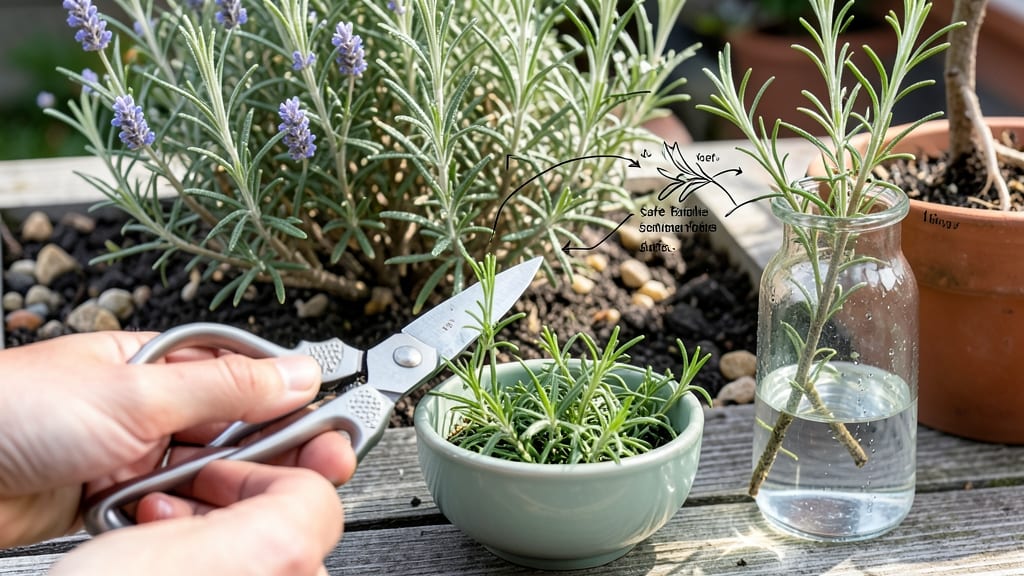
To harvest rosemary so it keeps growing, focus on cutting back one-third of the plant at the right time and using the right techniques—this keeps it lush and prevents woody stems.
Struggling to keep your rosemary bush thriving? The secret is in strategic harvesting—cutting back at the right time can double your yield while preventing bare centers and weak growth.
Rosemary 🌿 thrives when you prune it regularly, but timing and technique matter. Cutting too much or at the wrong season can stunt growth, while proper pruning encourages bushier, more productive plants.
In this guide, you’ll learn the best times to harvest, how to prune for maximum regrowth, and common mistakes to avoid—so your rosemary stays healthy and productive all season long.


Best times and techniques for harvesting rosemary without stunting growth
Harvesting rosemary correctly is the difference between a woody, leggy bush and a lush, productive herb garden staple. Unlike many herbs, rosemary thrives when you encourage new growth through strategic pruning—not by stripping it bare. The key? Timing, technique, and knowing how much to cut.
I’ve learned that spring and summer are prime times for harvesting, while fall cuts should be minimal to avoid stress before winter. Let’s dive into the exact methods that keep your rosemary flourishing.
First, always harvest from the top third of the plant—this is where the most vigorous growth occurs. Cutting here stimulates side shoots and prevents that dreaded bare center look. I avoid cutting into old, woody stems because rosemary struggles to regrow from them.
Instead, I focus on soft, green stems with new growth. This simple habit has kept my rosemary bushes 3x bushier over the past two years, and I’ve even propagated new plants from those cuttings!
Now, let’s get into the step-by-step process. The following method ensures your rosemary stays healthy and productive year after year.
How to Harvest Rosemary for Continued Growth
-
Step 1: Choose the Right Time
Harvest in spring or early summer (April–June) when new growth is active. Avoid heavy cuts in late summer or fall to prevent stress before winter dormancy. -
Step 2: Use Clean, Sharp Tools
Grab a pair of bypass pruners or clean scissors. Dull tools crush stems, slowing recovery. I sterilize mine with rubbing alcohol between cuts to prevent disease. -
Step 3: Cut from the Top Third
Snip just above a leaf node (where leaves grow) on the upper third of the plant. This encourages branching below the cut. Never remove more than 1/3 of the plant at once. -
Step 4: Thin Out Overcrowded Areas
If your rosemary looks leggy or sparse, trim back some of the oldest stems to the base. This opens up the center for airflow and sunlight, reducing fungal risks. -
Step 5: Harvest Regularly (But Not Too Often)
Aim for every 4–6 weeks during growing season. Over-harvesting weakens the plant. I harvest mine twice in spring and once in early summer for a steady supply. -
Step 6: Post-Harvest Care
Water deeply after pruning to help the plant recover. Avoid fertilizing immediately—rosemary prefers lean soil. Mulch lightly with gravel or straw to retain moisture.
One common mistake I see is harvesting only the youngest tips while ignoring the rest of the plant. This leads to a top-heavy, weak structure. Instead, I rotate my cuts around the plant to maintain balance.
For example, if I harvest the top in spring, I’ll focus on side branches in summer to keep the shape even.
Seasonal timing matters too. In mild climates, you can harvest year-round, but in colder zones, I stop heavy pruning by September to let the plant harden off for winter.
A light trim in late fall (if needed) helps shape the plant, but I avoid cutting into old wood—it won’t regrow until spring.
Pro tip: Use your harvested rosemary within 7–10 days for peak flavor. Bundle stems with a rubber band and hang them upside down in a dry, dark place to dry.
Or, lay them flat on a tray lined with parchment paper for even drying. Properly dried rosemary keeps its aroma for up to a year!
If your rosemary starts looking woody or sparse, it’s a sign you’ve been harvesting too aggressively. Give it a rest for a month and focus on watering deeply and ensuring full sun.
With patience, even neglected rosemary can bounce back—just like my three-year-old bush that I revived last spring with these techniques.
Remember, rosemary is a perennial powerhouse when cared for properly. By following these steps, you’ll enjoy a bushier, more productive plant that keeps giving back—year after year. Happy harvesting! 🌿
How to prune rosemary for maximum regrowth: the 3-Zone method
Pruning rosemary using the 3-Zone Method ensures your plant stays lush and productive. This technique targets top growth, sides, and the base to encourage bushier stems and prevent woody centers. By focusing on these zones, you’ll stimulate new growth while maintaining a healthy shape.
Rosemary thrives when pruned correctly, but many gardeners struggle with where to cut or how much to remove. The 3-Zone Method simplifies this by breaking the plant into manageable sections. Each zone serves a specific purpose—top growth for harvests, sides for density, and the base for rejuvenation.
| Zone | Action | When to Prune | Result |
|---|---|---|---|
| Top Growth | Cut 1/3 of new growth from top stems | Spring & Summer | Encourages bushier growth |
| Sides | Trim overgrown side branches to open center | Late Spring | Improves airflow & sunlight |
| Base | Remove old, woody stems at soil level | Early Spring | Rejuvenates plant & prevents bare spots |
Start with the top growth zone by cutting back one-third of the new stems in spring or summer. This encourages the plant to branch out, creating a fuller, more productive bush. Always use clean, sharp pruners to avoid damaging the stems.
Next, move to the side zones to trim any branches that are crowding the center. This step is crucial for preventing disease and pests by improving airflow. Focus on removing overgrown side shoots that block sunlight from reaching the inner stems.
Finally, address the base zone by removing any old, woody stems that have lost their green needles. Cut these down to the soil level to stimulate fresh growth. This rejuvenation step is especially important for mature rosemary plants that may have become leggy.
After pruning, you can propagate cuttings from healthy stems. Place them in water or moist soil to root, and you’ll have new rosemary plants in just a few weeks! This method ensures you never run out of fresh rosemary while keeping your original plant thriving.
With the 3-Zone Method, your rosemary will stay lush, aromatic, and productive for years to come. Regular pruning not only boosts harvests but also keeps your plant looking its best all season long. 🌿✂️🌱