
How To
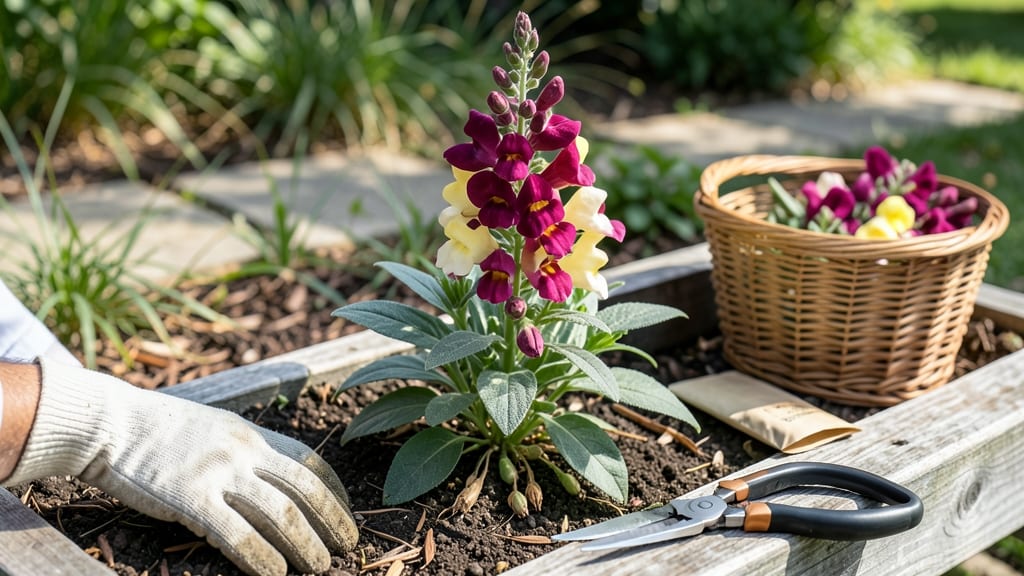
To harvest snapdragons at their peak, you’ll need to know the exact moment when their buds are firm, vibrant, and ready to twist off cleanly—because timing this wrong means sacrificing flavor or missing the window entirely.
Snapdragons 🌸 aren’t just pretty faces in your garden—they’re edible, fragrant, and packed with culinary potential when harvested at the perfect moment. But timing is everything: pick too early, and you’ll sacrifice flavor; wait too long, and you’ll miss the window entirely.
If you’ve ever snipped a snapdragon bud only to find it still tough or wilted within hours, you know how frustrating it can be. The key is the stem twist test, a simple trick that tells you when a bloom is ready to pick without damaging the plant.
Below, I’ll walk you through the best practices for harvesting snapdragons—from the ideal bloom stage to storing your harvest so it stays fresh longer. You’ll also learn how to encourage more blooms after harvesting, plus when to collect seeds for next year’s garden.


The stem twist test: how to identify perfectly ripe snapdragons for harvesting
Harvesting snapdragons at the right moment transforms your garden into a flavorful and fragrant treasure trove. The stem twist test is my go-to method for determining peak ripeness—it’s foolproof and saves you from picking blooms too soon or too late.
When done correctly, this test helps you harvest edible flowers at their most flavorful stage or seed pods at their most viable moment.
Snapdragons mature in distinct stages, and each stage offers something unique. For culinary use, you’ll want to harvest the buds just before they fully open—they’re packed with the most flavor and aroma.
Meanwhile, for seed collection, you’ll aim for a later stage when the seed pods turn brown and begin to split open naturally. Understanding these differences ensures you maximize your harvest’s potential.
Before you grab your pruners, take a moment to inspect the flower buds and stems. Look for buds that are fully formed but haven’t yet opened—they should feel firm to the touch and display vibrant, consistent colors.
If the bud feels soft or the stem is still woody and green, it’s not ready for harvest yet. This visual inspection sets the stage for the stem twist test.
How to Perform the Stem Twist Test
- 1 Select a mature bud: Choose a bud that’s fully formed but hasn’t opened yet. It should be plump and vibrant in color.
- 2 Gently grasp the stem: Hold the stem about 1-2 inches below the bud using your thumb and forefinger. Avoid squeezing too hard to prevent damage.
- 3 Twist gently: Apply a slight twisting motion to the stem. If the bud detaches cleanly with minimal resistance, it’s ready for harvest. The stem should snap easily without tearing.
- 4 Check for resistance: If the stem feels too stiff and resists twisting, the bud isn’t ripe enough. Conversely, if the stem twists too easily and the bud feels hollow, it may be overripe.
- 5 Harvest at the right angle: Use clean, sharp pruning shears or scissors to cut the stem at a 45-degree angle about 1 inch below the bud. This promotes better water uptake and prevents rot.
For edible flowers, harvesting at the bud stage ensures the most intense flavor and aroma. These buds are perfect for garnishing salads, infusing oils, or adding a pop of color to desserts.
If you’re aiming for seed collection, wait until the flower has fully bloomed and the seed pods have turned brown and begun to split open. At this stage, the pods should twist easily when you apply gentle pressure.
Timing is critical when harvesting snapdragons for seeds. If you harvest too early, the seeds won’t be fully developed, and if you wait too long, they may scatter or lose viability. Look for brown, dry seed pods that feel papery to the touch.
Once you’ve identified these pods, gently twist them off the stem and place them in a paper bag to dry completely before storing.
Avoid harvesting snapdragons during hot afternoons or after heavy rain, as this can stress the plant and reduce its ability to produce more blooms. Early morning is the ideal time to harvest, as the flowers are fully hydrated and at their peak freshness.
Always use clean, sharp tools to make precise cuts, which minimizes damage to the plant and encourages healthier regrowth.
After harvesting, store edible snapdragon buds in the refrigerator for up to a week, wrapped in a damp paper towel to retain moisture. For long-term storage, you can dry the buds by hanging them upside down in a cool, dark place for 1-2 weeks.
Once dry, store them in an airtight container away from direct sunlight. This method preserves their flavor and color for months.
If you’re saving seeds, allow the pods to dry completely before removing the seeds. Once dry, store them in a cool, dark place in a sealed container with a desiccant packet to prevent moisture buildup.
Properly stored seeds can remain viable for up to 3 years, giving you a head start on next year’s garden.
Regular harvesting encourages your snapdragons to produce more blooms, extending the harvest season and keeping your garden vibrant.
By mastering the stem twist test and paying attention to visual cues, you’ll ensure that every snapdragon you harvest is at its absolute best—whether you’re savoring its edible beauty or saving seeds for future gardens. 🌸
Best practices for harvesting snapdragons without damaging your plants
Harvesting snapdragons at the right time ensures you get the most vibrant blooms and encourage your plants to produce even more flowers. The key is to pick buds when they're just about to open—this preserves their flavor and fragrance while giving your plants the signal to keep blooming.
I’ve learned that a gentle touch and the right timing can make all the difference between a thriving plant and one that struggles to recover.
Start by selecting the healthiest stems with fully developed buds that haven’t yet opened. These buds should feel firm to the touch and have a rich, consistent color. Avoid harvesting flowers that are already open or wilted, as this can stress the plant unnecessarily.
When done correctly, your snapdragons will reward you with a continuous display of fresh blooms all season long.
⚠️ Common Mistake: Harvesting Too Aggressively
Over-harvesting can weaken your snapdragons and reduce future blooms. Never remove more than one-third of the buds at a time from a single plant. This ensures the plant retains enough energy to keep producing flowers. Also, avoid cutting stems too close to the base—always leave at least 1-2 inches of stem attached to encourage new growth.
To harvest, use a pair of clean, sharp pruners or scissors to make a clean cut just above a set of leaves or a node. This method promotes faster healing and prevents disease from entering the plant through jagged cuts.
If you’re harvesting by hand, gently twist the stem at the base while holding the bud firmly—this minimizes damage to the plant. Always work in the early morning when the stems are most hydrated and resilient.
After harvesting, store your snapdragons properly to extend their freshness. Place them in a vase with cool water and trim the stems at an angle to maximize water absorption. Avoid placing them in direct sunlight or near heat sources, as this can cause them to wilt quickly.
For long-term storage, you can also dry the blooms by hanging them upside down in a dark, dry place for about 1-2 weeks.
Encourage more blooms by pruning regularly. After harvesting, always check for any spent blooms or yellowing leaves and remove them immediately. This practice, known as deadheading, redirects the plant’s energy toward producing new buds rather than seeding.
I’ve found that snapdragons respond beautifully to this care, often producing a second flush of blooms later in the season.
Finally, keep an eye out for signs of stress after harvesting, such as wilting or discolored leaves. If you notice these, adjust your watering schedule or provide some afternoon shade to help your plants recover.
With the right techniques, your snapdragons will thrive and reward you with an abundance of stunning, fragrant blooms all season long. 🌸