
How To
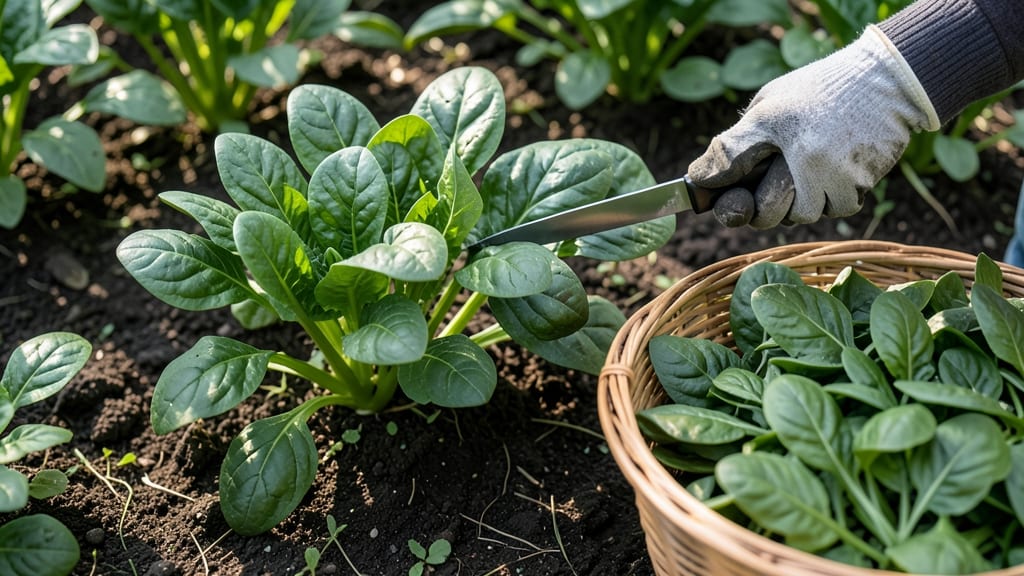
Harvesting spinach at the right time means tender, flavorful leaves instead of tough, bitter stalks—here’s exactly how to do it for a continuous supply.
Spinach lovers, take note: harvesting at the right time transforms your garden from ordinary to extraordinary—juicy, tender leaves packed with flavor instead of tough, bitter stalks.
The key is timing: wait until leaves reach 4-6 inches and are still bright green, then snip or pluck them carefully to keep the plant producing.
You don’t have to harvest the whole plant at once—just grab the outer leaves first, leaving the center to regrow. This method works year-round in USDA Zone 6a, whether you’re harvesting in spring or fall. Plus, it’s easy to adapt whether you’re growing in a backyard or a container.
Below, I’ll walk you through the best tools, techniques, and seasonal tips to maximize your yield—so you can enjoy fresh, homegrown spinach for weeks without sacrificing quality.


When and how to harvest spinach for maximum flavor and yield
Spinach lovers, take note: harvesting at the right time transforms your garden from ordinary to extraordinary—juicy, tender leaves packed with flavor instead of tough, bitter stalks. The key lies in understanding when and how to harvest, which directly impacts both yield and taste.
I’ve learned through years of gardening that timing is everything, especially for leafy greens like spinach that bolt quickly when stressed.
For the best results, aim to harvest spinach when the outer leaves reach 4-6 inches in length. This is your optimal harvesting window, where the leaves are tender, packed with nutrients, and free from bitterness.
Waiting too long risks tough, stringy leaves or even bolting—when the plant sends up a flower stalk, rendering the leaves unusable. Let’s break down the exact steps and seasonal timing to ensure you’re harvesting at peak perfection.
Spinach bolts (goes to seed) when stressed by heat, drought, or overmaturity. Once bolting starts, the leaves become tough and bitter. Always harvest before the plant sends up a flower stalk—this is your last chance for tender, flavorful leaves. For continuous harvests, never remove more than 1/3 of the plant at once.
There are two primary harvesting methods for spinach: leaf-by-leaf harvesting and the cut-and-come-again approach. The leaf-by-leaf method is ideal for extending your harvest season, as it allows the plant to regrow from the center.
Simply grasp the outer leaves with your thumb and forefinger, giving them a gentle twist to detach them cleanly. This method works best for baby spinach varieties or when you want to harvest selectively.
For a more aggressive harvest, use the cut-and-come-again technique. Cut the entire plant back to about 2 inches above the soil line using clean, sharp pruning shears or scissors.
This method encourages a flush of new growth, but it’s best suited for young plants or when you’re ready to harvest the entire plant at once. After cutting, water thoroughly and fertilize lightly to promote regrowth.
The best time of day to harvest spinach is in the morning, after the dew has dried but before the sun becomes too intense. This ensures the leaves are crisp and hydrated. Avoid harvesting during hot afternoons, as the leaves can wilt quickly and become less flavorful.
If you’re harvesting for storage, rinse the leaves gently in cool water and pat them dry with a clean towel to prevent rot.
Seasonal timing is crucial for spinach harvesting. In spring, aim to harvest from late April to early June, depending on your last frost date. For a fall harvest, plant spinach in late summer (around August) and harvest from October to November, before the first frost.
In warmer climates, you can even enjoy a winter harvest with cold-hardy varieties like 'Winter Bloomsdale' or 'Tyee'.
To encourage continuous harvests, avoid overharvesting. Always leave the inner leaves and the central growth point intact, as these will regenerate new growth. If you notice the plant starting to bolt, it’s time to harvest everything you can quickly or pull the plant entirely.
Bolting is irreversible, so don’t wait until the last minute. For savoy spinach varieties, which have crinkled leaves, harvesting is slightly easier due to their distinctive shape, but the same rules apply.
Proper spacing also plays a role in successful harvesting. If your spinach is overcrowded, the leaves will compete for sunlight and nutrients, leading to smaller, less flavorful harvests. Thin seedlings to 4-6 inches apart when they’re young to give each plant room to grow.
This not only improves yield but also makes harvesting easier, as you can access the outer leaves without disturbing the entire plant.
Finally, store harvested spinach properly to maintain its freshness. Place the leaves in a perforated plastic bag or wrap them in a damp paper towel before storing them in the crisper drawer of your refrigerator.
Spinach will stay fresh for 5-7 days when stored this way. For long-term storage, consider freezing or blanching the leaves to preserve their nutrients and flavor for later use.
With these tips, you’ll enjoy a steady supply of tender, flavorful spinach all season long. The key is consistency—harvest regularly, avoid stressing the plant, and always prioritize quality over quantity. Happy harvesting! 🌿
Spinach harvesting tools and techniques to preserve leaf quality
Choosing the right tools and techniques makes all the difference when harvesting spinach. The wrong approach can bruise delicate leaves or trigger bolting, while proper methods keep your plants productive and your harvests tender.
I’ve found that using the right tools—whether it’s sharp scissors, clean pruners, or just your hands—directly impacts leaf quality and regrowth potential.
For leaf-by-leaf harvesting, your hands work perfectly fine. Simply pinch the outer leaves between your thumb and forefinger, giving them a gentle twist to detach cleanly. This method preserves the plant’s center while giving you immediate access to fresh leaves.
For larger harvests or when dealing with tougher varieties like savoy spinach, a pair of clean, sharp pruning shears or small garden scissors is ideal.
- ✂️ Sharp Scissors: Best for clean cuts on larger leaves or when harvesting entire plants
- 👆 Hand Harvesting: Ideal for selective leaf picking, preserving plant center
- 🪴 Clean Pruners: Perfect for cutting entire plants at soil level for regrowth
- 🌱 Cutting Angle: Always cut at a 45-degree angle to prevent water pooling
- 💧 Post-Harvest Care: Water immediately after cutting to reduce stress
The angle at which you cut matters just as much as the tool you use. Always make cuts at a 45-degree angle, about 1/4 inch above a leaf node. This prevents water from pooling on the stem, which can lead to rot or disease.
When using scissors or pruners, avoid crushing the stems—this causes bruising that turns leaves yellow and unappetizing.
Handling harvested spinach properly is just as critical as the cutting process. Immediately after harvesting, place leaves in a shallow container or colander to prevent bruising from stacking. If you’re not using them right away, rinse gently in cool water and pat dry with a clean towel.
Never soak spinach leaves, as excess moisture encourages spoilage and wilting.
For storage, wrap harvested spinach in a damp paper towel and place it in a perforated plastic bag in the refrigerator’s crisper drawer. This method keeps leaves crisp for up to 5-7 days.
For longer storage, blanch leaves for 2 minutes in boiling water before freezing them in airtight containers. This preserves their nutrients and flavor for months.
Remember, the goal is to harvest without stressing the plant. Always leave at least half the leaves intact to maintain photosynthesis and encourage regrowth. With the right tools and gentle handling, you’ll enjoy a continuous supply of tender, flavorful spinach all season long.
The key is consistency—harvest regularly, store properly, and your plants will reward you with abundant harvests. 🌿