
How To
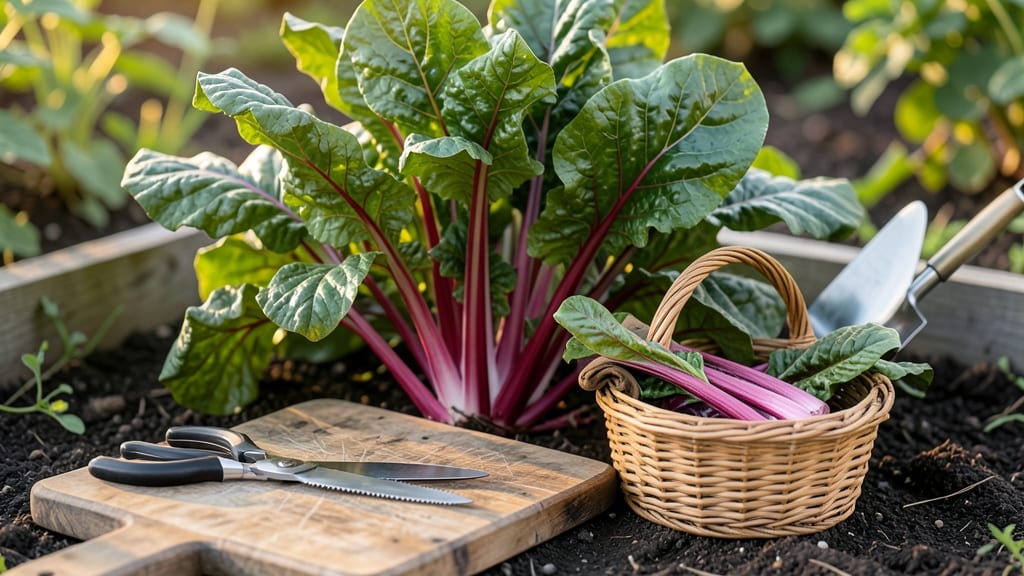
To harvest Swiss chard 🥬 at its peak flavor and encourage regrowth, focus on timing and technique—because cutting too early or too late can ruin both the taste and your plant’s future.
Picture this: you’ve nurtured your Swiss chard for weeks, and now the outer leaves are big enough to eat—bright, crisp, and 6-8 inches long. But if you pull them too soon, you’ll end up with bitter, tough greens.
Get it wrong, and you might even stunt the plant’s ability to bounce back.
This guide breaks down the exact signs to watch for (like vibrant color and tender stems) and the best methods to harvest—whether you’re snipping individual leaves or cutting stems for a fuller yield—without sacrificing future growth.
You’ll also learn how often to harvest, what tools to use, and how to store your bounty so it stays fresh longer. Ready to turn your garden into a never-ending salad bar?


When to harvest Swiss chard for maximum flavor and regrowth
Timing your Swiss chard harvest correctly ensures peak flavor and encourages vigorous regrowth. Unlike many greens, Swiss chard rewards patience—harvesting too early yields small, underdeveloped leaves, while waiting too long can make stems tough and bitter.
The key lies in watching for specific visual cues and understanding your plant's growth stages.
Start harvesting outer leaves first when they reach 6-8 inches long. This method preserves the plant's center, allowing it to produce more leaves. The bright, vibrant color—deep green, red, or yellow—is another telltale sign of readiness.
Avoid harvesting leaves that are pale or dull, as these may be nutrient-deficient or stressed.
| Stage | Leaf Size | Color | Stem Condition | Harvest Time |
|---|---|---|---|---|
| Early Growth | Under 4 inches | Pale or dull | Tender but small | Avoid harvesting |
| Optimal Harvest | 6-8 inches | Vibrant (green, red, or yellow) | Firm but tender | Harvest outer leaves |
| Over-Mature | Over 10 inches | Dull or yellowing | Woody or tough | Reduce harvest frequency |
| Peak Season | 6-12 inches | Bright and consistent | Crisp and fresh | Harvest every 1-2 weeks |
Seasonal timing also plays a role in Swiss chard flavor and regrowth. In spring and fall, when temperatures are cooler, leaves grow more slowly, so you can harvest every 1-2 weeks without stressing the plant.
During summer's heat, growth accelerates, and you may need to harvest weekly to prevent bolting or toughening.
Pay attention to your local climate. In hotter zones, Swiss chard may bolt (send up a flower stalk) if stressed by heat. If this happens, harvest the entire plant immediately to use the leaves before they become bitter.
In cooler climates, you can extend harvests well into fall, often until the first frost.
For continuous harvests, aim to remove no more than one-third of the plant's leaves at a time. This balance ensures the plant has enough energy to regrow while providing you with fresh, tender leaves.
Always use clean, sharp scissors or pruners to avoid damaging the stems, which can lead to disease.
If you notice yellowing leaves at the base, this could indicate over-harvesting or nutrient deficiency. In this case, reduce your harvest frequency and fertilize lightly with a balanced 5-10-10 mix to encourage recovery. Swiss chard is forgiving, but pushing it too hard can lead to stunted growth or even death.
Pro tip: Morning harvests yield the freshest leaves, as they’ve had the night to recharge with moisture. Avoid harvesting in the evening or after rain, as leaves may be damp, increasing the risk of fungal diseases like downy mildew.
Always harvest on a dry, sunny day for the best results.
By mastering these harvesting cues and timing, you’ll enjoy tender, flavorful Swiss chard all season long—without sacrificing the plant’s ability to regrow. The more you harvest, the more your Swiss chard will reward you with abundant, continuous production!
Step-by-step Swiss chard harvesting methods: cut vs. pull for continued growth
Harvesting Swiss chard correctly ensures you get tender, flavorful leaves while keeping your plant healthy for continuous regrowth. The two main methods—cutting individual leaves or harvesting entire stems—each have unique benefits depending on your goals.
If you’re aiming for long-term harvests, prioritize the cut-and-come-again method, where you snip outer leaves while leaving the inner growth intact. This approach maximizes plant longevity and minimizes stress, but it requires precision to avoid damaging the stem.
For a one-time abundant harvest, you might opt for cutting entire stems at the base. This delivers a larger yield upfront but sacrifices future regrowth. Below, we’ll break down both methods with their pros, cons, and the tools you’ll need for success.
Cut vs. Pull Harvesting Methods
🌱 Cutting Individual Leaves
- Pros: Encourages regrowth, extends harvest season
- Pros: Leaves stay tender and flavorful
- Pros: Minimal plant stress
- Cons: Slower overall yield
- Cons: Requires frequent harvesting
Use sharp pruning shears to cut leaves 1 inch above the stem.
✂️ Cutting Entire Stems
- Pros: Larger immediate harvest
- Pros: Ideal for preserving or cooking
- Cons: Limits future regrowth
- Cons: Risk of plant decline if overdone
Use a clean knife to cut stems at the base during cool mornings.
For leaf-by-leaf harvesting, always target the outermost, largest leaves first. This protects the inner growth center, which fuels regrowth. Use sterilized scissors or pruners to make clean cuts, and avoid tearing leaves, which can introduce pests or disease.
When harvesting entire stems, time it right—late spring or early fall yields the best flavor. Cut stems at the base with a sharp knife, leaving 1-2 inches of stem to encourage any remaining side shoots. This method is perfect if you’re planning to preserve or freeze your harvest.
Safety is key: always wash your hands and tools before and after harvesting to prevent cross-contamination. Store harvested leaves in a paper towel-lined container in the fridge for up to 5-7 days, or blanch and freeze for long-term storage.