
How To
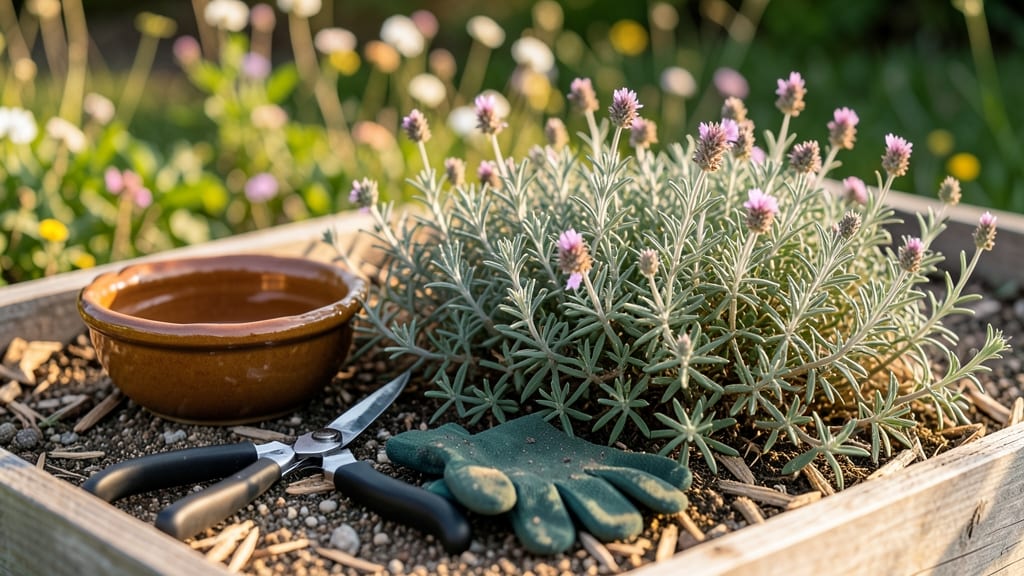
Harvesting thyme so it keeps growing is all about timing and technique—cut just above leaf nodes in late spring or early summer to trigger bushier regrowth.
Struggling to keep your thyme bushy and productive? Harvesting at the wrong time or too aggressively can stunt growth, leaving you with sparse, leggy plants instead of lush, flavorful abundance. The secret lies in a balanced approach that respects the plant’s natural cycles.
Thyme thrives when you follow a simple rule: never remove more than one-third of the plant at once, and always leave at least half the foliage intact. This ensures the roots stay strong enough to support new growth while giving your 🌿 enough energy to recover between harvests.
In this guide, you’ll discover the prune-and-pause method—when to trim, how to space harvests, and post-care tips to keep your thyme thriving year after year. Whether you’re a beginner or a seasoned gardener, these steps will transform your harvest from sparse to abundant.


When and how to harvest thyme for maximum regrowth
Harvesting thyme at the right time and with the right technique is the secret to keeping your plants lush and productive year after year. Unlike annual herbs that need aggressive pruning, thyme thrives on a gentle, strategic approach that balances harvests with recovery periods.
The key lies in understanding when to trim—spring for new growth and fall for winter prep—and how to cut stems to stimulate bushier foliage without stressing the plant.
Thyme's resilience comes from its woody stems, but over-harvesting can turn your fragrant bush into a leggy shadow of its former self. The ideal harvest targets stems that are 4-6 inches tall with at least 3-4 sets of leaves.
Cutting too close to the base removes the plant's energy reserves, while leaving too much stem reduces leaf production. Think of it like giving your thyme a haircut with layers—just enough to encourage fullness without bald spots.
Timing matters just as much as technique. Early spring harvests (after the last frost) encourage vigorous new growth, while late summer/fall harvests (before the first frost) help the plant store energy for winter. Avoid heavy harvesting in mid-summer heat when the plant is already stressed.
The goal is to maintain a leaf-to-stem ratio of at least 3:1—meaning for every stem you cut, keep three leafy branches to support photosynthesis.
Here’s the science: Thyme grows from basal buds at the base of stems. When you cut just above a leaf node (where leaves meet the stem), you signal the plant to redirect energy to those dormant buds, producing new shoots.
This is why pinching off flower buds is crucial—thyme puts all its energy into seed production if left unchecked, leaving you with a woody stalk and no leaves.
| Harvest Time | Best For | Technique | Stem Thickness | Regrowth Time |
|---|---|---|---|---|
| Early Spring | New growth stimulation | Cut 1/3 of stems at base | Pencil-thin (0.1-0.2") | 4-6 weeks |
| Late Summer | Fall prep & flavor peak | Trim flower spikes + 1/2 stems | Slightly woody (0.2-0.3") | 3-4 weeks |
| Year-Round (Mild Climates) | Maintenance harvests | Pinch tips or cut above leaf node | Any (avoid thick stems) | 2-3 weeks |
| Avoid | Mid-Summer Heat | Never cut >50% of plant | Thick, woody stems | Stunted growth |
For container-grown thyme, the rules are slightly different. Since roots are more confined, limit harvests to 25% of the plant every 6-8 weeks to avoid shocking the roots. Always use clean, sharp pruning shears (never your kitchen scissors!) to make clean cuts that heal faster.
Disinfect your tools with rubbing alcohol between plants to prevent spreading diseases like thyme blight, which can turn your lush plant into a sad, brown mess.
Pro tip: If your thyme starts looking leggy or bare at the base, it’s begging for a hard prune. In early spring, cut back one-third of the oldest stems to the ground.
This may seem drastic, but thyme is tough—it’ll bounce back with even more vigor. Just avoid this method in hot climates, where the plant needs every leaf to survive summer heat.
Watering plays a sneaky role in regrowth. After harvesting, give your thyme a deep watering at the base (not overhead) to encourage root expansion. Thyme hates soggy soil, so always let the top inch dry out between waterings.
In drought-prone areas, mulch with gravel or straw to retain moisture without suffocating the roots—this mimics its natural Mediterranean habitat.
One of the biggest myths about thyme is that you should wait until it’s fully mature to harvest. The truth? Regular, light harvests produce more flavorful leaves because they’re younger and packed with essential oils.
Aim to harvest thyme every 4-6 weeks during the growing season, always leaving at least half the plant untouched
The prune-and-pause method: step-by-step for year-round growth
The prune-and-pause method is my go-to strategy for keeping thyme lush and productive without burning it out. This seasonal approach ensures your plant has time to recover between harvests while maximizing flavor and growth. The key is balancing pruning intensity with recovery periods, especially in thyme’s active growing seasons.
Thyme grows best when you follow a 3:1 ratio—three weeks of growth for every week of pruning. This rhythm prevents over-stress while encouraging bushier, more aromatic foliage. Start in early spring when new growth emerges, and pause completely in late fall to let the plant harden off for winter.
Step-by-Step Prune-and-Pause Guide
- Step 1: Spring Revival (March-April) – Trim one-third of the oldest stems just above a leaf node. This removes woody growth and stimulates new shoots.
- Step 2: Summer Maintenance (June-August) – Harvest small sprigs (3-4 inches) every 4-6 weeks, always leaving half the foliage intact. Use pruned stems for cooking or propagation!
- Step 3: Fall Pause (September-October) – Stop pruning entirely. Let the plant focus on root development and prepare for dormancy with a light mulch layer.
- Step 4: Winter Care (November-February) – Prune only dead or damaged stems in mild climates. Avoid heavy cuts—thyme is semi-dormant and needs minimal stress.
After each harvest, fertilize lightly with a balanced 5-10-10 mix to replenish nutrients. Water deeply in the morning to prevent fungal issues, but avoid soggy soil—thyme hates wet roots! This method keeps my thyme thriving for 10+ years with minimal effort.
Over-pruned thyme looks leggy and sparse, with long stems and few leaves. In contrast, optimally pruned thyme stays compact and bushy, with multiple stems emerging from the base. If you see yellowing leaves or stunted growth, you’ve pruned too aggressively—scale back immediately.
Use your cuttings wisely! Dry sprigs for cooking or root them in water to propagate new plants. I’ve grown 5 new thyme plants from last year’s prunings—free flavor multipliers! Just ensure your cuttings have 2-3 leaf nodes for best rooting success.
Consistency is key. Stick to this schedule, and your thyme will reward you with year-round harvests that stay vibrant and fragrant. Happy pruning! 🌿✂️