
How To
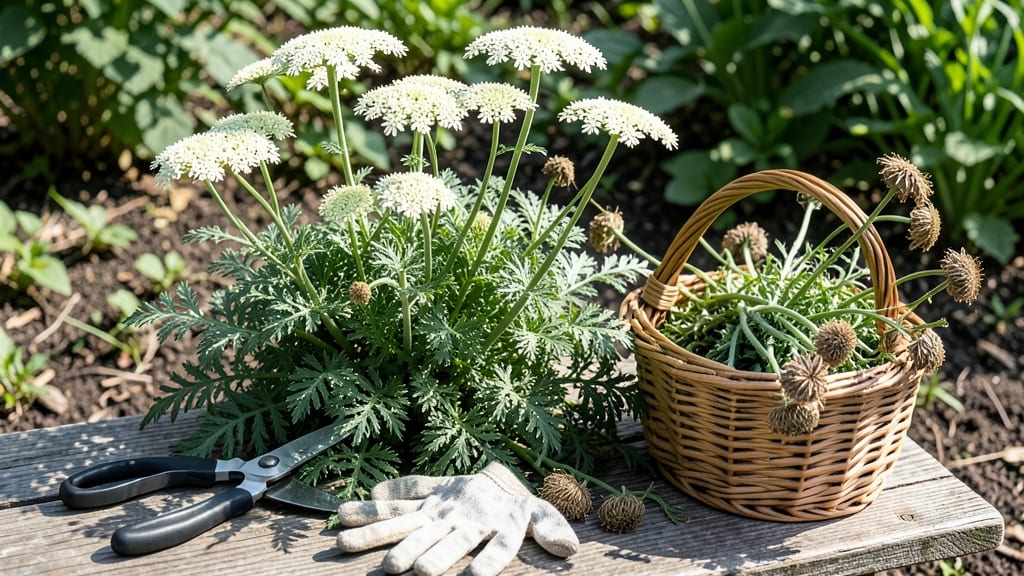
Harvesting yarrow at its peak potency means timing your cuts to June through September when the flowers are fully open and leaves are tender.
Yarrow (Achillea millefolium) isn’t just a pretty perennial—it’s a medicinal powerhouse when harvested at the right time, but timing and technique make all the difference between potent remedies and wasted effort.
If you’ve ever dried a batch of yarrow only to find the potency faded, you’re not alone. The key lies in cutting stems at the base, avoiding rain-soaked plants, and storing them properly to preserve their healing properties.
Below, I’ll walk you through the best methods for harvesting both flowers and leaves, how to dry them for long-term use, and the most important mistakes to avoid.


When to harvest yarrow for maximum medicinal properties
Yarrow (Achillea millefolium) reaches its peak medicinal potency when harvested at precise stages of growth, but many gardeners miss the optimal windows.
The best time to harvest depends on whether you're collecting flowers, leaves, or roots, each with distinct potency cycles tied to seasonal energy and lunar phases.
For flower heads, aim for mid-to-late summer when blooms are fully open and vibrant—typically June through August in most climates. This aligns with the plant's highest essential oil production, including achilleine and azulenes, which support wound healing and anti-inflammatory uses.
The full moon cycle also plays a crucial role in herbalism. Harvesting yarrow flowers during a waxing moon (when the moon is growing brighter) enhances their drying properties and preserves more volatile oils. Many traditional herbalists swear by this lunar timing for maximum potency.
Leaves should be harvested earlier in the season, ideally when the plant is 2-3 feet tall but before it bolts to flower. Early summer (May to early June) offers the tenderest, most nutrient-dense foliage. Avoid harvesting leaves after the plant flowers, as they become woody and less effective for teas or poultices.
Root harvesting is a fall ritual for experienced herbalists. The best time for roots is late summer to early fall (September to October) when the plant's energy shifts underground. Roots dug at this stage contain higher concentrations of sesquiterpene lactones, compounds prized for their liver-supportive properties.
Seasonal timing matters just as much as lunar cycles. Summer harvests yield the most flowering tops for tinctures and salves, while fall harvests provide the strongest roots. Never harvest after rain, as moisture dilutes essential oils and invites mold during drying.
| Plant Part | Optimal Harvest Time | Lunar Phase | Key Visual Cues | Medicinal Focus |
|---|---|---|---|---|
| Flowers | Mid-June to August | Waxing Moon | Fully open, bright blooms | Anti-inflammatory oils |
| Leaves | May to early June | Any phase (avoid rain) | Tender, dark green | Astringent compounds |
| Roots | September to October | Waning Moon | Fibrous, 1-2 inches thick | Liver-supportive compounds |
I always harvest my flowering tops on a dry morning after the dew has evaporated. This preserves the essential oil content and prevents mold during the drying process. For leaves, I prefer early morning harvests when their chlorophyll levels peak, making them ideal for fresh teas or immediate use.
If you're new to yarrow harvesting, start with flower heads—they're the most forgiving and versatile part of the plant. Save root harvesting for your second or third year with the plant, as young roots contain lower concentrations of beneficial compounds.
Always leave at least 2-3 inches of stem when cutting to encourage regrowth.
One common mistake is harvesting yarrow too late in the season. By late September, the plant's energy shifts toward seed production, and both leaves and flowers lose potency. Save those late-season stems for ornamental purposes or compost, not medicinal use.
For maximum shelf life, dry your harvested yarrow in a well-ventilated, dark space away from direct sunlight. Properly dried flowers should crumble easily between your fingers—a sign they're ready for storage in airtight glass jars away from moisture and light.
🌼
Step-by-step yarrow harvesting techniques for drying success
Mastering the art of yarrow harvesting ensures you capture its peak medicinal properties while preserving freshness for drying. The right technique prevents mold, contamination, and potency loss—critical for teas, tinctures, or ornamental bundles.
I’ve harvested yarrow for years, and the difference between a mediocre batch and a potent, long-lasting stash comes down to timing, tools, and handling. Below, I’ll share my proven step-by-step method for cutting, processing, and storing yarrow to maximize its healing power.
For roots, dig in fall after foliage dies, rinse gently, and slice thinly before drying. Roots take 3–4 weeks to dry completely—patience is key for preserving their anti-inflammatory compounds.
Pro tip: Harvest on a sunny, dry morning to ensure maximum essential oil content. The first harvest of the season is often the most potent—don’t skip it!