
How To
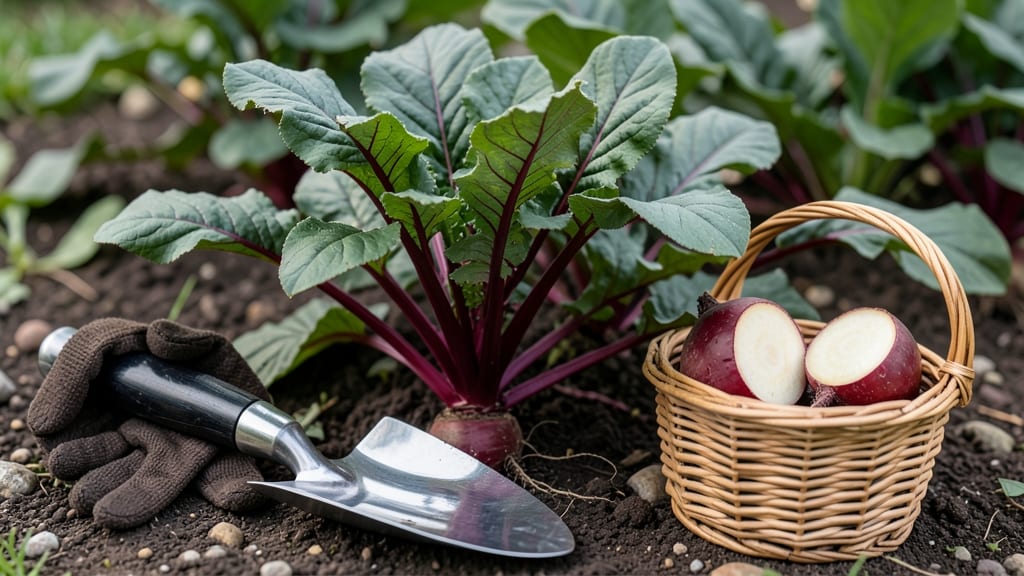
Knowing when to harvest beetroot 🥕 is all about timing—wait too long, and you’ll end up with tough, woody roots instead of sweet, tender ones.
Most gardeners miss the subtle signals that mean "pick me now," leading to either bitter baby beets or overgrown, less flavorful harvests. The difference between perfect and ruined beets often comes down to a few simple checks you can do right in your garden.
In this guide, I’ll walk you through the three tactile tests that tell you exactly when your beetroot is ready—no guesswork required. You’ll learn how to read the size, texture, and even the flexibility of the stems to nail the harvest window every time.
Whether you’re growing baby beets for salads or full-sized roots for roasting, these tricks will help you avoid the most common mistakes and ensure a bountiful, delicious harvest from May through September.


3 Tactile tests to determine perfect beetroot harvest time
Harvesting beetroot at the right moment transforms your garden into a treasure trove of sweet, tender roots. But how do you know when those earthy delights are ready? Unlike leafy greens, beetroots don't send obvious signals like changing color.
Instead, you'll need to use your hands and eyes to assess their readiness. The key lies in three simple tactile tests that reveal whether your beets are perfect for the table or still need time in the soil.
Many gardeners make the mistake of harvesting too late, ending up with woody, fibrous roots that lack sweetness. Others pull them too early, resulting in small, bitter specimens. By mastering these three hands-on tests—root size, skin texture, and stem flexibility—you'll consistently harvest beetroots at their peak.
These methods work for all varieties, from baby beets to full-sized Detroit Dark Red or Chioggia types.
How to Know When to Harvest Beetroot
-
1. Root Size Check
Gently brush away soil to expose 2-3 inch diameter roots for ideal sweetness. Baby beets (1-1.5 inches) are ready in 45-50 days. -
2. Skin Texture Test
Press firmly—smooth, firm skin means perfect harvest. Rough or woody texture indicates overmaturity. -
3. Stem Flexibility
Gently bend the top leaves' stems. If they snap easily, roots are ready. Resistant stems mean more time in soil.
The first test focuses on root size, which is the most straightforward indicator. For most varieties, aim for roots that are about 2-3 inches in diameter. This size ensures they've developed enough sweetness and tenderness.
Baby beet varieties, like 'Babybeat' or 'Little Ball,' can be harvested as small as 1-1.5 inches when you want tender, bite-sized roots perfect for salads or quick cooking.
To perform this test, gently brush away the soil around the base of the plant using your hands or a small trowel. Be careful not to damage the roots. Look for a uniform diameter—uneven growth can indicate poor soil conditions or competition from weeds.
If the roots feel smaller than a golf ball, they need more time in the ground. But if they're larger than a baseball, they may have started to develop a woody texture.
Next, examine the skin texture of the beetroot. This is where many gardeners miss the mark. A perfectly harvested beetroot should have smooth, firm skin that feels slightly resistant when pressed with your fingertips.
If the skin feels rough or gritty, the beet has been in the ground too long and may have developed a woody core. On the other hand, if the skin is too soft or easily punctured, the beet might not be fully mature yet.
For varieties like 'Chioggia' with their distinctive striped patterns, the rings should be clearly visible and the skin should be taut. If the stripes appear faded or the skin feels loose, it's a sign that the beet has passed its prime.
Remember, the skin isn't just about appearance—it's also a protective layer that keeps the beet from absorbing too much moisture, which can dilute its flavor.
The third tactile test involves checking the stem flexibility of the beet's leaves. Gently grasp the main stem where the leaves attach to the root and give it a slight bend. If the stem snaps easily or bends without resistance, your beetroot is ready for harvest.
This flexibility indicates that the plant has fully allocated its energy to developing the root rather than maintaining leaf growth. If the stem feels stiff and resists bending, the beet still needs time to mature.
This test is particularly useful for mature beet varieties like 'Detroit Dark Red' or 'Golden Beet'. These types can continue growing well past their ideal harvest window, and their stems become increasingly rigid as they overmature.
By checking stem flexibility, you can avoid the disappointment of harvesting beets that have become tough and less flavorful. It's a simple but effective way to ensure you're picking your beets at their sweetest and most tender.
One common mistake I see in gardens is relying solely on days to maturity listed on seed packets. While these guidelines are helpful, they don't account for variations in soil quality, climate, or water availability.
That's why tactile tests are so valuable—they give you real-time feedback about your beets' readiness. For example, in hotter climates, beets may mature faster and need to be harvested earlier to prevent bolting or developing a bitter taste.
To make these tests even more effective, I recommend harvesting a few beets from each plant and testing them at different stages. This way, you can develop a feel for what "perfect" looks and feels like for your specific growing conditions.
Keep a small notebook nearby in your garden to jot down observations about size, texture, and stem flexibility. Over time, you'll build intuition that makes harvesting beets effortless.
Remember that beetroots continue to develop flavor and sweetness as they grow, but only up to a point. Once they pass their ideal harvest window, they'll start to lose quality.
By mastering these three tactile tests—root size, skin texture, and stem flexibility—you'll always know exactly when to pull your beets for the most delicious results. Happy harvesting! 🥕
Beetroot harvest timing by variety: baby vs. mature beets
Not all beetroot varieties mature at the same rate, and harvesting them at the wrong time can ruin their sweetness. For example, 'Detroit Dark Red' beets need 50-60 days to reach maturity, while heirloom 'Chioggia' striped beets take 55-70 days.
Understanding these differences helps you avoid tough, fibrous roots or underdeveloped baby beets.
Climate zones also play a role. In USDA Zone 6a, where frost-free days average 165 days, you’ll typically harvest from late May through September. Adjust these timelines by 2-3 weeks in cooler zones (like Zone 5) or warmer zones (like Zone 7) where growing seasons extend.
Baby beets, like 'Babybeat' or 'Little Ball', are often harvested at 45-50 days when roots reach 1-2 inches in diameter. These are perfect for quick salads or pickling. Meanwhile, mature beets like 'Golden' or 'Boltardy' should wait until 60-70 days for full flavor development.
| Variety | Days to Maturity | Harvest Size | Best For | Climate Adjustment |
|---|---|---|---|---|
| Detroit Dark Red | 50-60 days | 2-3 inches | Roasting, pickling | +3 days per cooler zone |
| Chioggia (Striped) | 55-70 days | 2.5-3.5 inches | Raw salads, slicing | -2 days per warmer zone |
| Babybeat | 45-50 days | 1-2 inches | Quick salads, snacks | No adjustment needed |
| Golden | 55-65 days | 2-3 inches | Steaming, soups | +2 days for high altitude |
For baby beets, focus on leaf size—when leaves reach 4-6 inches tall, it’s time to harvest. This method works best for varieties like 'Little Ball', which are bred for early harvests. Use a hand fork to gently loosen soil and avoid damaging the roots.
Mature beets, on the other hand, should be harvested when their skin is firm and glossy, not rough or cracked. If you’re growing in containers, check roots every 5-7 days starting at 45 days to catch the perfect moment.
Overcrowding can delay maturity, so thin seedlings to 3-4 inches apart when they’re 2 inches tall.
Pro tip: In hot climates, harvest earlier (around 50 days) to prevent bolting. In cooler zones, extend maturity by 1-2 weeks and use row covers to protect young plants from frost. Pay attention to these cues, and you’ll enjoy beets at their peak flavor every season! 🥕