
How To
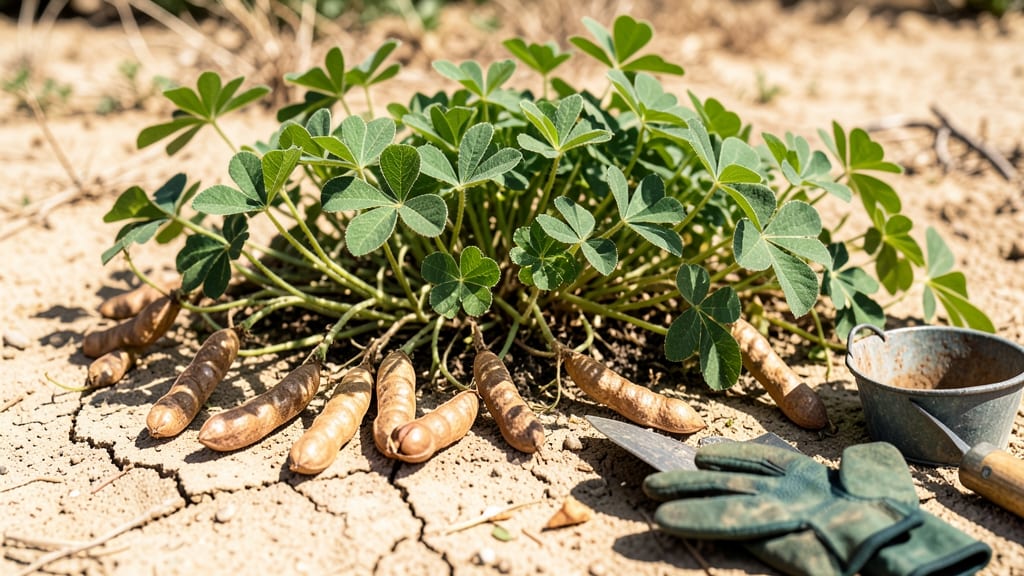
Knowing when to harvest peanuts 🥜 means catching them at the perfect moment—when pods crack open and seeds turn rich brown, not a day too soon or too late.
Peanuts may grow underground, but missing the harvest window can turn your hard work into bitter, shriveled disappointment. Whether you're a first-time grower or a seasoned gardener, these subtle cues make all the difference.
Below, I’ll walk you through the visual and tactile signs that your peanuts are ready—from leaf yellowing to the telltale rattle of mature pods—plus the ideal weather conditions for digging.
You’ll also learn how to avoid common mistakes, like harvesting too early or waiting too long, and how to store your peanuts for maximum flavor and shelf life.


5 Key signs your peanuts are ready for harvest (pods & plant clues)
Harvesting peanuts at the perfect moment transforms your garden labor into a bounty of rich, flavorful nuts. Unlike many crops, peanuts grow underground, making it tricky to judge readiness. But don't worry—your plants send clear signals when it's time to dig.
I've learned these visual and tactile cues through years of growing peanuts, and they'll help you avoid the heartbreak of shriveled or moldy harvests.
First, focus on the above-ground plant because its condition directly reflects what's happening with those hidden pods. When you spot these 5 key signs, you'll know your peanuts are primed for harvest. The secret? Paying attention to both the foliage and pods—they communicate readiness in different ways.
-
1Leaf Yellowing & Crispiness: The foliage turns brown and becomes crispy to the touch, almost like dried paper. This signals the plant is redirecting energy to the pods.
-
2Pod Rattle Test: Gently shake a plant. If the pods make a rattling sound, they're dry and ready. This happens when the seeds inside are fully mature.
-
3Pod Firmness: Dig up one pod and check its texture—it should feel firm but not hard. If it's soft or rubbery, wait a few days.
-
4 Seed Color Change: Crack open a pod. The seeds should be tan or light brown. Green or pale seeds mean they're not ready.5Growth Slowdown: The plant stops producing new leaves or flowers and may even drop some older ones. This means all energy is focused on pod maturation.
I always test pods by digging up just one or two plants first—this lets you confirm readiness without harvesting your entire crop. If the seeds are still pale or the pods feel soft, wait another 3-5 days before checking again.
The key is patience; peanuts won't improve after they're fully mature, but harvesting too early guarantees disappointment.
Don't overlook the weather window either. Peanuts thrive in warm soil, and a light frost can ruin your harvest. Aim to dig before the first frost of fall, typically between September and October in most growing zones.
If your area has unpredictable weather, err on the side of harvesting slightly early—peanuts dry well after harvest.
Pro tip: Use a small hand trowel to gently lift the soil around the base of the plant. This lets you peek at the pods without disturbing the entire plant.
Look for fully formed pods that are 2-3 inches long. If they're smaller or still green, your peanuts need more time in the ground.
Once you've confirmed readiness, harvest on a dry, sunny day. This allows the pods to dry naturally in the field, which prevents mold and extends storage life. After digging, spread the plants out in a single layer in a dry, shaded area for 3-5 days before shelling.
This drying process is crucial—it's what transforms your harvest from raw pods to delicious, storable peanuts.
Remember, every peanut variety has slight variations in maturity timing. For example, Virginia types often take longer to mature than Runner varieties. Always check your seed packet for specific days to maturity, but use these visual cues as your final guide. They never lie!
When in doubt, I recommend harvesting a small test batch first. Shell a few pods and taste them—ripe peanuts have a sweet, nutty flavor, while underripe ones taste bland or bitter. Your taste buds are the ultimate judge of peanut perfection!
When to dig vs. wait: ideal harvest timing by peanut variety
Not all peanuts ripen on the same schedule, and harvesting too early or late can ruin your crop. Virginia-type peanuts, like Virginia Bunch, typically mature in 120-140 days, while Runner-type varieties such as Early Spanish reach harvest readiness in 90-110 days.
These differences mean timing your harvest by variety is critical for flavor and yield.
Climate plays a huge role too. In warmer southern climates, peanuts may mature faster, while cooler northern regions often require extending the growing season. Soil moisture also affects readiness—dry spells can speed up maturation, while excessive rain may delay it.
Always check for leaf yellowing and pod firmness before digging.
Here’s how to balance these factors for the best harvest:
Variety Type Days to Maturity Ideal Harvest Time Early Harvest Risks Late Harvest Risks Virginia (e.g., Virginia Bunch) 120-140 days Late Sept-Oct (USDA Zone 6) Soft, watery pods; low oil content Shriveled seeds; mold risk Runner (e.g., Early Spanish) 90-110 days Early Sept (USDA Zone 7+) Green, underdeveloped seeds Pods crack open; seed loss Valencia (e.g., Florunner) 110-130 days Mid-Sept (USDA Zone 8+) Starchy, bland flavor Pods rot in soil Note: Adjust timing 1-2 weeks earlier in hot climates or 1-2 weeks later in cooler zones.If you harvest too early, the seeds won’t have developed their signature sweetness or rich oil content. Late harvests, on the other hand, risk pod cracking or seed shriveling due to moisture loss. Always dig when 50-70% of pods show these readiness signs for a balanced yield.
For soil conditions, aim for slightly dry soil before digging—this prevents pods from absorbing excess moisture and spoiling. Morning harvests are ideal because cooler temps slow down post-harvest spoilage. After digging, let the peanuts cure in the sun for 2-3 days to toughen the shells before storage.
Pro tip: Test a few pods by cracking them open. If the seeds are brown and plump, it’s time to harvest. If they’re still green or white, wait another week. Timing is everything—don’t let perfection slip away!