
How To
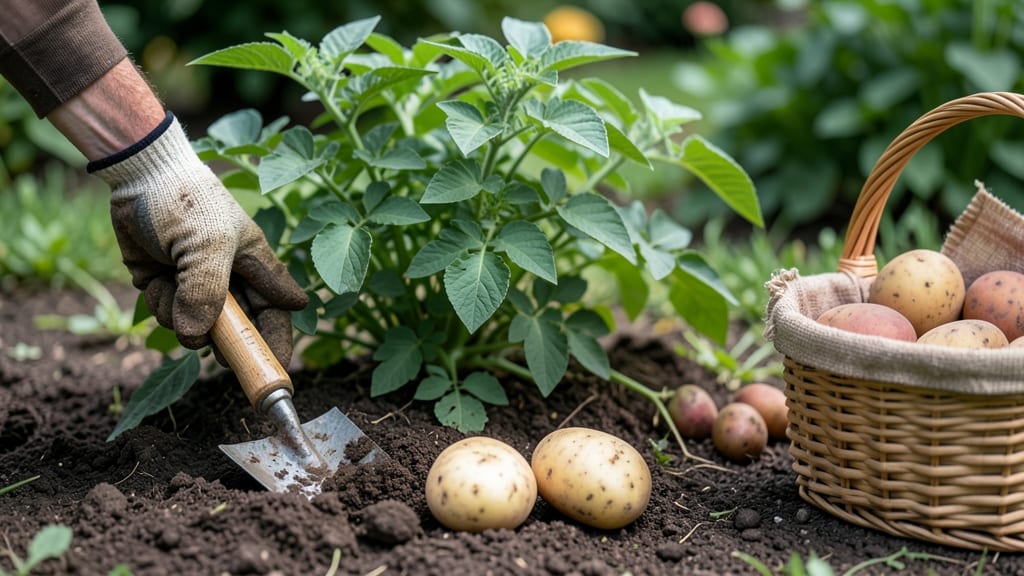
Knowing when to harvest potatoes saves you from small, shriveled tubers or wasted effort digging too soon—here’s how to time it right every season.
Digging up potatoes too early means small yields, but waiting too long risks shriveled, tough tubers—so how do you know the perfect moment to harvest? Master these foolproof tests for homegrown 🥔 that guarantee maximum harvest success.
Most gardeners rely on foliage color or flower blooms, but the real secret lies in a simple soil check. I’ll show you how to combine these three methods—skin firmness, tuber size, and plant health—to nail the harvest window for both new and mature potatoes.
Whether you’re growing early varieties in June or late-season tubers in August, you’ll learn exactly when to dig, how to spot overripe signs, and why timing matters for storage life.


3 Key signs your potatoes are ready to harvest (foliage, skin, and soil tests)
Harvesting potatoes at the right time makes all the difference between tender, flavorful tubers and tough, shriveled ones. New potatoes need early harvesting, while mature varieties require patience—but how do you tell which is which? The answer lies in three foolproof tests: foliage condition, skin firmness, and soil probing.
These methods work for early-season varieties like 'Red Pontiac' and late-season types like 'Russet Burbank, ensuring you never miss the perfect harvest window.
I’ve tested these techniques in my garden for years, and they’ve never failed me. Whether you’re growing waxy fingerlings or starchy russets, these signs will help you harvest at peak quality.
The key is combining multiple indicators—no single test guarantees success on its own. Let’s break down each method so you can confidently pull potatoes when they’re ready to eat.
📌 Pro Tip: Always harvest on a dry, sunny day to minimize soil clinging and reduce disease risk. Cure your potatoes afterward for 1-2 weeks in a dark, 60°F space to toughen their skins and improve storage life.
Let’s start with the most obvious sign: foliage condition. Most gardeners wait until the plant’s stems and leaves yellow and die back naturally—a clear signal that the plant has redirected its energy to the tubers.
However, this method varies by variety. Early-season potatoes like 'Yukon Gold' may flower first, while late-season types like 'Idaho Russet' wait until the entire plant collapses. For new potatoes, you can harvest when about half the foliage is still green but the plant has slowed growth.
Next, focus on the skin’s firmness. This test works best for mature potatoes and is my go-to method for avoiding underdeveloped tubers. Simply press a tuber through the soil with your thumbnail. If it doesn’t dent easily, the skin has thickened enough for harvest.
For early varieties, you might harvest when tubers are still small but firm—these are your new potatoes. If the skin feels soft or the tuber dents, wait a few more days.
Finally, the soil probing test is the most reliable for late-season varieties or when you’re unsure about foliage signals. Use a garden fork to gently loosen the soil around the plant base, about 6-12 inches deep.
Look for tubers—if they’re 2-3 inches in diameter and firm, it’s time to harvest. This method also helps you avoid missing tubers hidden deep in the soil, especially for bush varieties like 'Kennebec'.
For early-season varieties, combine the foliage and skin tests.
If the plant has flowered and the tubers are 1-2 inches wide, they’re ready for your first harvest. Mid-season types like 'Red LaSoda' benefit from all three tests—wait until the foliage yellows, the skin is firm, and soil probing reveals well-developed tubers. Late-season varieties often need the full 100-120 days to maturity, so rely more on the soil test and stem collapse.
One common mistake is harvesting based solely on plant age. While most potatoes take 90-120 days to mature, environmental factors like cool temperatures or short daylight can delay ripening. Always check the foliage, skin, and soil—not just your calendar.
I once waited too long for my 'Russet' potatoes because I focused on days-to-maturity, only to find shrunken tubers. Lesson learned!
If you’re growing organic potatoes or in containers, these tests still apply, but you’ll need to adjust your approach. Container-grown potatoes often mature faster due to warmer soil temperatures, so monitor them closely.
For organic growers, avoid chemical fertilizers that can make skin tests unreliable—stick to compost and natural amendments for consistent results.
Remember, the best time to harvest is when all three signs align. If your foliage is yellow but the tubers are still small, wait a few more days.
If the skin is firm but the soil probe reveals tiny tubers, you might have an early variety ready for new potatoes. Trust your observations, and soon you’ll be pulling perfect potatoes every harvest season.
When to harvest potatoes by variety: early vs. late season timing guide
Not all potatoes ripen on the same schedule—early varieties like 'Red Pontiac' mature in just 60-70 days, while late-season 'Russets' need 100-120 days to reach peak flavor. Knowing your potato's maturity category ensures you harvest at the right time for size, texture, and storage potential.
Early potatoes are best harvested when tubers reach 1-2 inches in diameter, often before the plant flowers. Late-season varieties, however, should wait until foliage yellows and dies back completely. The key difference? New potatoes (early harvest) taste sweeter but store poorly, while mature tubers last months in cool, dark conditions.
Pro Tip: For Yukon Gold or Kennebec, dig a few test tubers when foliage starts yellowing—if they're 2-3 inches with firm skin, it's harvest time. For Russets, wait until the plant is fully senescent (dead).
Late-season varieties like Russets need full plant senescence before digging. If you harvest too early, the tubers may develop green skin (toxic solanine) or stay small. For storage potatoes, cure them in a dark, 55-60°F space for 1-2 weeks post-harvest to thicken skins and improve shelf life.
For new potatoes, harvest when tubers are golf-ball sized—dig gently with a fork to avoid damaging small tubers. For mature harvests, wait until 70% of foliage has died back. Always check soil moisture first; dry conditions can fool you into thinking tubers are ready when they're not.
Regional climates matter too. In cool short seasons (Zones 3-5), prioritize early varieties. In longer growing zones (Zones 6-10), you can stagger plantings for continuous harvests. The goal? Match your variety to your season for the best results.